


















































"I sat in a pool of my own blood, as my stitches tore."
The journey from conception to childbirth is intense.
Though birth trauma affects 1 in 4 women globally, its impact is often dismissed or unspoken within South Asian communities due to cultural silence and stigma.
This critical issue is often normalised, with many South Asian women unaware they’ve experienced it.
Generational silence has turned birth trauma into an invisible burden, quietly passed down and rarely acknowledged or addressed.
This silence is not merely a personal choice but a deeply ingrained cultural phenomenon.
For generations, the expectation has been to “just get on with it,” a mindset reinforced by a lack of antenatal classes and comprehensive postpartum care.
The narratives passed down from elders often highlight a ‘stoic’ resilience, where expressing vulnerability during childbirth was not an option, but rather a perceived weakness.
This historical context has profoundly shaped how birth trauma is perceived, or rather, not perceived, within South Asian households.
However, a gradual but significant shift is now underway.
Increased research and a growing willingness among women to share their experiences are beginning to pierce the veil of silence, raising much-needed awareness about birth trauma and its impact.
This emerging dialogue is crucial for understanding the unique challenges faced by South Asian women and for developing culturally competent interventions that address their specific needs.
Understanding birth trauma is the first step towards healing and change.
It is not a singular medical diagnosis but a broad term encompassing a spectrum of physical and emotional distress that can manifest in various ways.
Because its manifestations can be diverse and often subtle, birth trauma frequently goes unnoticed or is dismissed, sometimes leading to severe and long-lasting mental and physical health issues.
The Birth Trauma Association defines it as:
“Birth trauma refers to a significant emotional and/or physical distress experienced during or after childbirth, encompassing both the birthing person’s and their partner’s experiences, potentially leading to conditions like PTSD.”
The profound impact of birth trauma extends beyond individual suffering, touching families and communities.
When a mother experiences trauma, it can affect her bonding with the baby, her relationship with her partner, and her overall well-being.
The societal implications of unaddressed birth trauma include increased healthcare costs, reduced maternal productivity, and a perpetuation of mental health stigma.
Therefore, addressing birth trauma is not just about individual women; it is about fostering healthier, more resilient communities.
Systemic Bias and the Critical Lack of Support
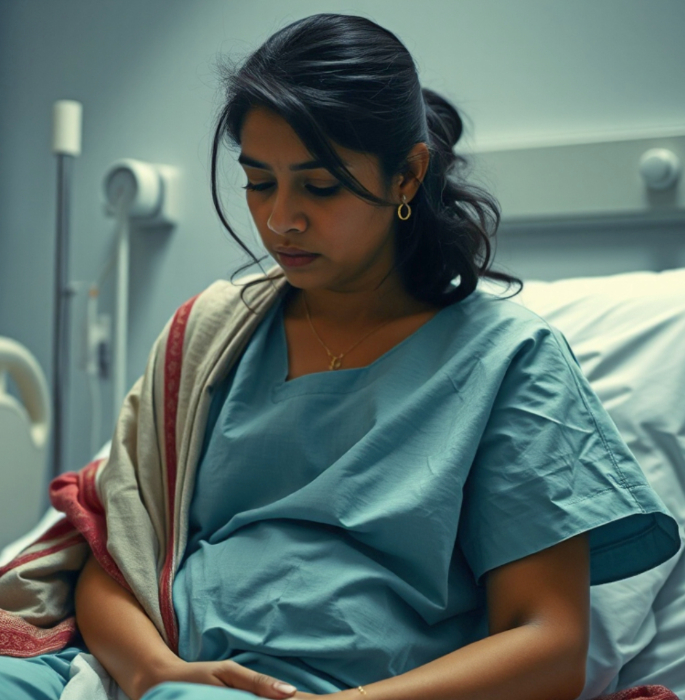 Research indicates that up to 40% of women find childbirth traumatic.
However, the experiences of new mothers are far from uniform, varying significantly based on ethnicity, socioeconomic background, and access to healthcare.
Race and geographical location can profoundly influence birth outcomes.
A stark example of these disparities is highlighted by a study from MBRRACE, which found South Asian women are twice as likely to die due to pregnancy and childbirth complications compared to white women.
These alarming disparities are not coincidental; they are deeply rooted in systemic bias, a pervasive lack of culturally competent care, and inadequate postnatal support.
Systemic bias in healthcare manifests in various ways, from implicit biases held by medical professionals to institutional practices that disadvantage minority groups.
South Asian women may face language barriers, cultural misunderstandings, and a healthcare system that does not adequately cater to their unique needs and traditions.
This can lead to a lack of trust, reduced communication, and ultimately, suboptimal care during crucial moments of childbirth and postpartum recovery.
The story of Shareen, a mother of two from the UK, powerfully illustrates the harrowing reality of inadequate support:
“I sat in a pool of my own blood, as my stitches tore. I begged for help, but the midwives told me to ‘hold on’ until the doctor arrived.
“That moment changed me forever. I was scared, alone, and unheard, and as a result, I don’t want any more children.”
Shareen’s experience is not an isolated incident; it underscores the urgent need for better support and a deeper understanding of birth trauma within South Asian communities.
Such accounts highlight the critical gaps in care where cultural competency and empathetic responses are sorely lacking.
Postnatal support is equally vital and often insufficient for South Asian women. The postpartum period is a time of immense physical recovery and emotional adjustment, yet many women are left to navigate it with minimal professional assistance.
This lack of robust postnatal care exacerbates the challenges faced by women who have experienced trauma, making it harder for them to heal physically and mentally.
The consequences can be long-lasting, affecting the mother and her ability to care for her newborn and engage fully in family life.
Cultural Nuances and Stigma Around Mental Health
 South Asian cultures traditionally celebrate pregnancy with rich traditions such as ghod bharai (Indian baby shower) and blessings for the mother and baby, reflecting a profound respect for motherhood.
However, these celebrations are often accompanied by deeply ingrained superstitions and restrictive advice that can inadvertently create an environment where mental distress is suppressed.
For example, the fear of the “evil eye” (nazar) often leads many South Asians to hesitate in announcing pregnancies too early.
Expectant mothers frequently receive advice such as “Don’t eat papaya,” “Don’t attend funerals,” or “Don’t wash your hair,” which, while sometimes intended to offer comfort, can also contribute to an atmosphere of anxiety and control.
More significantly, within many South Asian communities, there is a pervasive expectation for women to maintain a positive outlook throughout pregnancy and motherhood.
Showing emotions like sadness or anxiety is often perceived as “bad for the baby” or as a sign of personal weakness.
This cultural pressure is damaging when it comes to mental health struggles such as postpartum depression and PTSD, which are often misinterpreted as signs of weakness or even “madness.”
The phrase “Pagal ho gayi” (“She’s gone mad”) exemplifies the harsh judgment faced by women experiencing mental health issues, forcing many to suffer in silence and hindering their ability to seek professional help.
This deeply entrenched stigma is a significant barrier to addressing birth trauma and other mental health challenges.
It prevents open conversations, discourages women from seeking help, and often leads to isolation.
The fear of shame, gossip, or being ostracised by the community can be so strong that women choose to endure their suffering silently rather than risk cultural disapproval.
This cultural context means that even when support systems are available, women may be reluctant to access them due to societal pressures and fear of judgment.
Learning from Past Generations and Breaking the Cycle
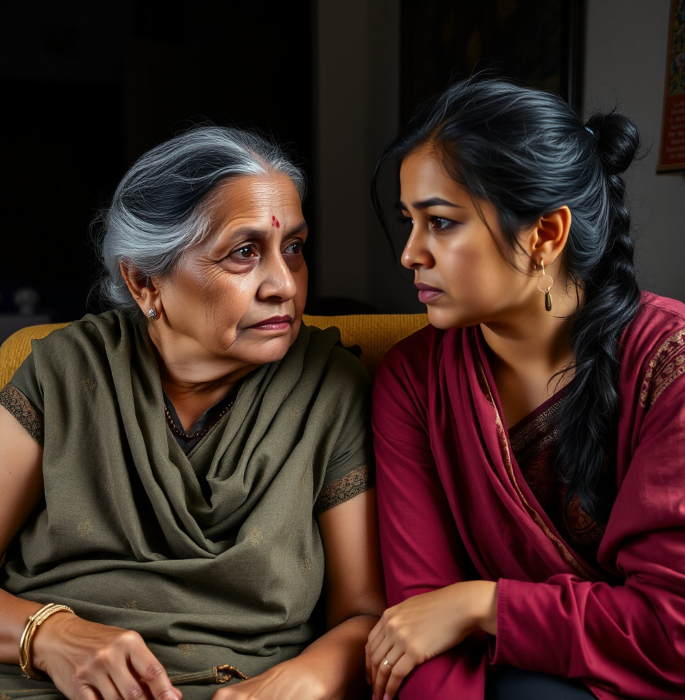 The silence surrounding birth trauma is not a new phenomenon; it has been passed down through generations.
When considering past generations, many South Asian elders were expected to “just get on with it” during childbirth, often without the benefit of antenatal classes, pain relief options, or adequate postpartum care.
In traditional South Asian households, new mothers were frequently burdened with the responsibility of caring not only for their newborns but also for their husbands’ families, with little to no opportunity to voice their struggles.
Any expression of difficulty was rarely met with empathy; instead, it was often seen as a reflection of personal weakness or as bringing shame to the family.
Gurjit, a 70-year-old first-generation immigrant to the UK from India, vividly recounted her experience:
“When I had my first child, there were no doctors, no pain relief.”
“Just my mother-in-law telling me to stay strong because I was now a mother. We didn’t have the luxury of complaining.”
This mindset, while perhaps rooted in a form of resilience necessary for survival in challenging circumstances, has undeniably contributed to a cycle of generational trauma that continues to impact new mothers today.
The unspoken burdens of one generation become the inherited struggles of the next, creating a pervasive cultural narrative where suffering is privatised and minimised.
Breaking this cycle requires a deliberate and conscious effort to acknowledge the past and validate the experiences of both past and present generations.
Encouraging elders to share their birth stories, not as tales of stoicism to be emulated, but as narratives that highlight the historical lack of support and the personal toll, can be a powerful step towards healing.
This intergenerational dialogue can create empathy and understanding, allowing newer generations to recognise that their struggles are not unique but are part of a larger historical context.
The Urgent Need for Systemic and Cultural Change
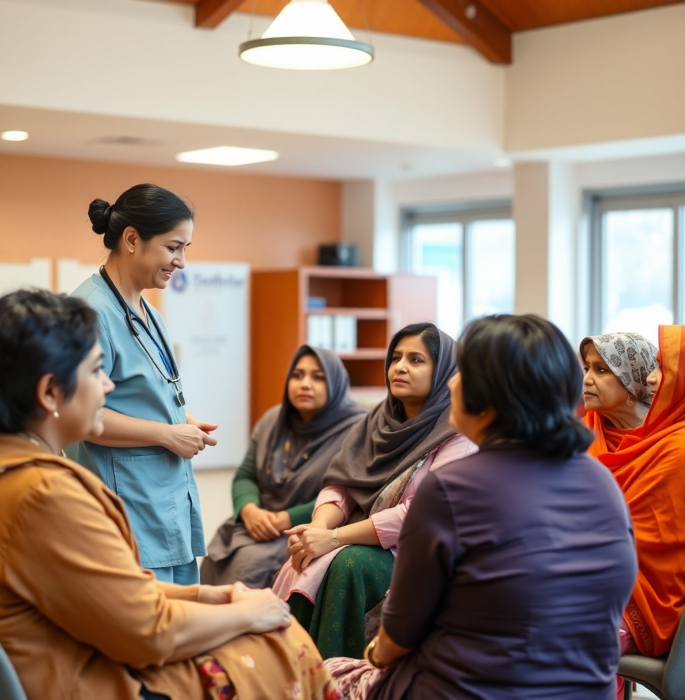 The need for change in societal attitudes towards birth trauma in South Asian communities is urgent and paramount.
This transformation must encompass allowing mothers to voice their mental health struggles openly and providing them with autonomy over their birthing choices.
Key steps toward achieving this include establishing better support systems, implementing community education programmes, and creating safe spaces for open dialogue.
Firstly, there is a critical need for more culturally competent healthcare services and mental health resources specifically tailored to South Asian women.
This means training healthcare providers to understand the cultural nuances, language barriers, and traditional beliefs that influence the birthing experiences of South Asian women.
It also involves ensuring that mental health support is accessible, affordable, and delivered in a way that respects cultural sensitivities, moving beyond a “one-size-fits-all” approach.
Secondly, community education is vital for raising awareness about postpartum health and challenging outdated stigmas.
This can involve public health campaigns, workshops in community centres, and engaging religious and community leaders to advocate for mental health awareness.
Educating families, especially mothers-in-law and other influential female elders, about the realities of postpartum depression and birth trauma can help dismantle harmful misconceptions and foster a more supportive home environment.
Thirdly, creating safe spaces for open dialogue is crucial.
This can be achieved through support groups, both in-person and online, where South Asian women can share their experiences without fear of judgment.
Media representation that portrays diverse birth experiences and acknowledges mental health struggles within South Asian narratives can also play a significant role in normalising these conversations and reducing stigma.
When women see their experiences reflected in public discourse, it validates their feelings and empowers them to seek help.
Progress is underway.
Research now highlights unique challenges South Asian women face, like higher rates of perineal tears, emphasising the urgent need for culturally informed, evidence-based care to better support maternal health in these communities.
The experience of traumatic births is complex and cannot be attributed to a single factor.
However, open conversations and systemic changes can help create safer, more informed support systems for South Asian mothers.
We can create a future where South Asian mothers are no longer forced to suffer in silence but are instead supported, respected, and most importantly, heard.
Support is available through organisations such as the Birth Trauma Association and MASIC, which offer resources and guidance for those affected.