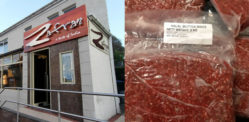
















































"It all goes into a massive mincer and comes out looking like Play-Doh."
Millions of people across the UK may have eaten takeaway kebabs containing goat meat, skin and fat while believing they were buying lamb.
Investigators have compared the fraud to the 2013 horsemeat scandal.
Kismet Kebabs, one of the UK’s largest doner kebab manufacturers, has been fined £500,000 after admitting to food fraud offences dating back to 2021.
The Essex-based company supplied kebab meat to takeaways across Britain over several years. Investigators estimate the company generated around £6 million from the fraudulent sales.
The case emerged after trading standards officers in Swansea began carrying out random DNA tests on doner kebabs sold in the city during 2020 and 2021.
Tests revealed that products labelled as containing 70% lamb contained less than 10% sheep DNA.
Kismet Kebabs had advertised and labelled some of its products as containing between 50% and 90% lamb, with certain varieties claiming to contain up to 87% lamb.
Swansea trading standards officer Rhys Harries said:
“I think some customers won’t be surprised there’s a lot of skin and fat in these products – but I don’t think many people will be expecting goat.
“A consumer buying a kebab knows it’s probably not the best quality ingredients, but it’s still got to be what it says it is.
“It’s almost the same as the horsemeat scandal, because of the volume of product that was going out of this factory.”
The comparison to the horsemeat scandal reflects the scale of the alleged deception.
The 2013 crisis became one of Europe’s biggest food fraud scandals after DNA testing found horsemeat in products sold as beef. The discovery led to widespread recalls across the continent.
Trading standards officers raided Kismet Kebabs’ factory in Latchingdon, near Chelmsford, in May 2021.
According to investigators, it quickly became apparent that lamb meat was largely absent from the production process.
Harries said: “We didn’t see any lamb apart from lamb fat.
“There were pallets of goat, pallets of trim, offcuts with high fat content, boxes of fat, boxes of skin, bits of mutton.
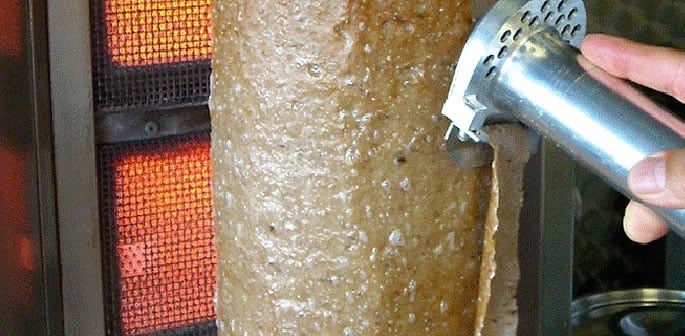
“It all goes into a massive mincer and comes out looking like Play-Doh.”
Investigators found that the processed meat was then formed into large doner kebab skewers and labelled as containing varying percentages of lamb.
During the investigation, officers discovered that the same batches of meat were sometimes packaged under different labels.
One production line was reportedly producing identical products that were labelled as either 50% lamb or 70% lamb.
Harries said: “We were seeing labels that bore no resemblance to what they were actually putting in [to the kebabs].
“This is straightforward food fraud. They were charging wholesalers and consumers a premium price for something that’s full of rubbish.”
In June 2026, Swansea Crown Court heard that local authorities across England had previously raised concerns about Kismet Kebabs’ labelling practices and meat content.
The company had won Supplier of the Year at the British Kebab Awards in 2021.
One kebab product advertised as containing 87% lamb was found to consist of approximately 40% animal fat.
Trading standards officers said the scale of the investigation was significant. Two officers reportedly spent 18 months reviewing invoices, records and production documentation.
Among the evidence examined were recipe cards used by factory workers.
Investigators concluded that some products marketed as lamb kebabs contained no lamb meat at all. Instead, some recipes listed ingredients including goat meat, beef fat and chicken drumsticks.
At sentencing, Swansea Crown Court fined Kismet Kebabs £500,000 and ordered the company to pay £259,298 in costs.
Judge Huw Rees said the company had engaged in “considerable dishonesty” over an extended period.
The Food Standards Agency said targeted sampling programmes had been critical to uncovering the fraud.
The agency stressed that food safety standards across the UK remained high.
Andrew Quinn, head of the FSA’s national food crime unit, said:
“Food must be safe and accurately labelled, wherever it’s sold, and we take food fraud and mislabelling seriously.”
Representing Kismet Kebabs in court, Stuart Jessop said the company accepted it had “taken its eye off the ball”.
He added that the business had operated successfully for many years and had introduced significant changes following the 2021 investigation.
In 2024, Kismet Kebabs received accreditation from BRCGS, an internationally recognised food safety certification body operating in more than 130 countries.
After becoming aware of the court proceedings, BRCGS reviewed Kismet Kebabs’ accreditation.
Last month, the company was found to remain compliant with the organisation’s standards.
In a statement, Kismet Kebabs Ltd said the business was now “significantly different” from how it had operated five years ago.
A spokesperson added: “It is important to recognise that the matters in question relate to historical events and do not reflect the standards, systems, management structure, or operational controls that exist within the business today.”