














































The team travelled to Italy to work with experts
The Signed to God Hologram World Tour opened at Toronto’s Scotiabank Arena on October 9, 2026, bringing Sidhu Moose Wala’s recorded performances to a live audience.
The production recreated elements of the late Punjabi singer’s stage presence through holographic projections, original vocals, and visual effects.
The Concert Production founders Sohail Mansuri and Zeeshan Siddiqui developed the show after his death in May 2022.
The team sought approval from his parents and wider team before creating the tribute.
The Toronto launch marked the beginning of a tour celebrating Moose Wala’s lasting musical legacy through a new live entertainment experience.
How Sidhu Moose Wala’s Hologram Concert Was Created

The Signed to God Tour uses a technique known as Pepper’s Ghost to create the illusion of a three-dimensional performer.
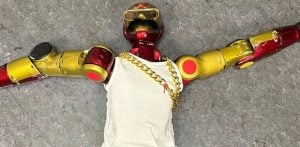
Creating a convincing likeness required extensive preparation. A body double recreated Moose Wala’s physical movements and body language, with specialists helping reproduce his appearance.
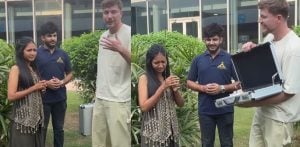
The team travelled to Italy to work with experts, including a prosthetics team. Details such as his moustache, tattoos and turban were considered during the process.
A turban dresser was also brought from India to help recreate his familiar look.
The production team explored artificial intelligence during development but ultimately rejected an AI-generated likeness in favour of capturing a real performer’s movements.
Lighting, sound and projection positioning were also carefully coordinated to deliver the illusion across the venue.
The result combines technical effects with Moose Wala’s original recordings, allowing audiences to revisit elements of his distinctive performance style.
The Punjabi Music Legacy Behind the Concert

Born Shubhdeep Singh Sidhu, Sidhu Moose Wala became one of contemporary Punjabi music’s most recognisable artists by combining Punjabi influences with hip-hop production.
His breakthrough came with ‘So High’ in 2017, which helped establish his reputation among younger listeners.
His connection to Canada was particularly significant. He reportedly recorded ‘So High’ while studying as an international student in Brampton, Ontario.
Tracks including ‘295’, ‘The Last Ride’ and ‘Levels’ further strengthened his position in Punjabi music.
Moose Wala developed a distinctive public identity through his lyrics, fashion and confident performance style.
His music explored ambition, identity and personal experiences, although some of his lyrics also attracted controversy for their violent imagery.
Beyond music, he joined India’s Congress Party and contested the 2022 Punjab Assembly election.
Moose Wala was killed in Punjab on May 29, 2022, aged 28. His death prompted widespread grief among fans and fellow artists.
His music has continued to reach audiences through streaming platforms and posthumous releases.
It was reported that ‘Drippy’, featuring Toronto rapper AR Paisley, reached number nine on the Billboard Canada Hot 100 in 2024.
The hologram concert builds on that continued interest, presenting his recordings through a new live entertainment experience.
Family Moment Adds Emotional Significance to Toronto Show
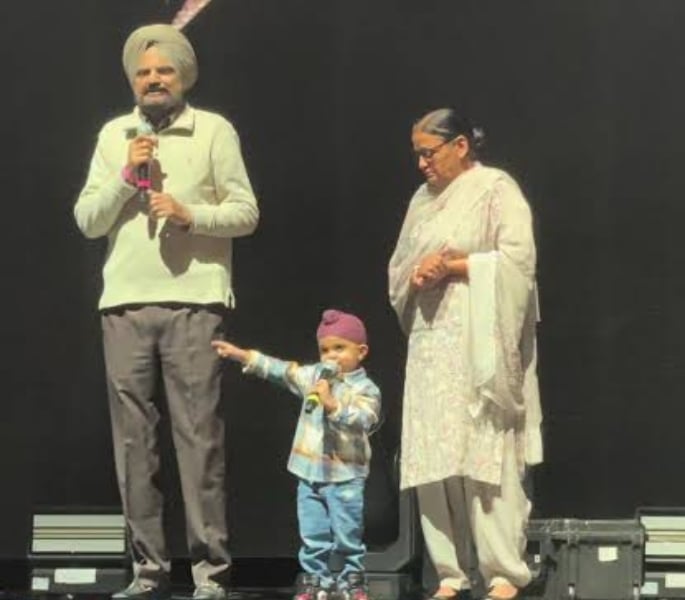
The Toronto concert also attracted attention for a personal moment involving Moose Wala’s younger brother, Shubhdeep Singh Sidhu, known affectionately as Chhota Sidhu.
The two-year-old attended with his parents, Balkaur Singh and Charan Kaur. Videos shared on social media showed him recreating his late brother’s signature thaapi gesture, a thigh-slap movement associated with the singer’s performances.
The gesture became one of Moose Wala’s most recognisable trademarks, making the moment particularly meaningful for fans.
The family’s appearance added a personal dimension to an event celebrating the singer’s contribution to Punjabi music.
The concert also coincided with the release of a new music video for ‘295’, originally released in 2021. The video features archival footage of Moose Wala alongside members of his family.
While the hologram production recreates elements of a live performance, the music video offers another way for fans to revisit his work and personal legacy.
What the Hologram Tour Means for Punjabi Music

The Signed to God World Tour raises wider questions about how the music industry presents artists who have died.
Holographic productions have previously recreated performers such as Tupac Shakur, Michael Jackson and Whitney Houston, allowing audiences to experience familiar music through new visual formats.
Moose Wala’s production brings this approach into Punjabi music, reflecting the genre’s growing international reach.
Canada and the United Kingdom are important markets for Punjabi music, with diaspora communities helping artists build audiences through concerts, streaming and social media.
Moose Wala’s continued popularity also demonstrates how younger listeners can discover an artist’s catalogue after their death.
However, recreating a performer through projection technology presents creative challenges. Producers must balance technical accuracy with respect for the person being represented.
The Signed to God team’s decision to use a body double rather than an AI-generated likeness shaped its approach to recreating Moose Wala’s movements and appearance.
The tour’s planned international expansion could introduce the production to more audiences, although further dates and locations should be confirmed through official announcements.
For now, the Toronto concert marks another development in how Moose Wala’s music is presented to fans.
His voice, lyrics, and recordings remain central to the experience, while the holographic staging offers a new way to revisit his familiar stage presence.
Ultimately, the Signed to God tour reflects the continuing connection between Sidhu Moose Wala and the listeners who have kept his music alive.