
















































"prioritise light, hydrating meals and traditional summer drinks."
Heatwaves can leave you feeling drained, dehydrated, and struggling to enjoy your favourite meals.
Fortunately, many traditional South Asian foods are naturally rich in hydrating ingredients, essential nutrients, and cooling flavours that can help your body cope with rising temperatures.
While drinking plenty of water remains the best defence against dehydration, the NHS says food also contributes to your daily fluid intake.
From creamy yoghurt to juicy watermelon and refreshing buttermilk, Desi cuisine offers plenty of seasonal dishes enjoyed for generations in hot weather.
Here are some of the best Desi foods to eat during a heatwave and why they deserve a place on your plate.
Dahi
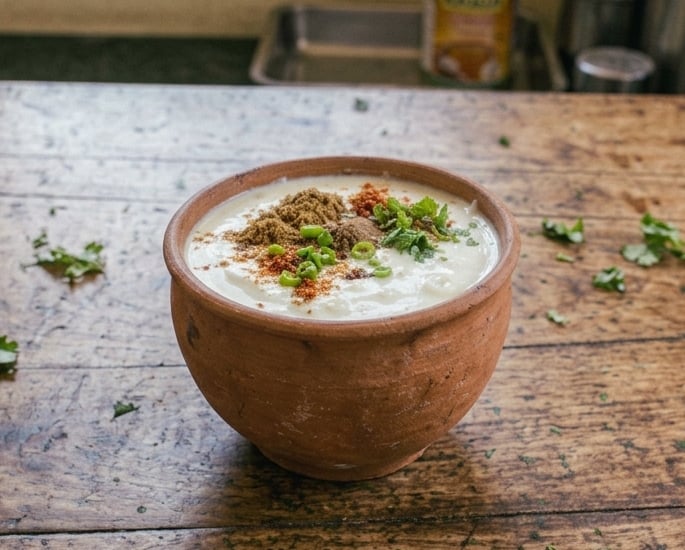
Few foods are as closely associated with South Asian summers as dahi.
Plain yoghurt contains around 85% water, making it a naturally hydrating addition to any meal.
It is also rich in calcium, protein and potassium, which help support normal muscle function.
Dahi contains probiotics that help maintain a healthy balance of bacteria in the gut.
Many people find lighter foods easier to digest during hot weather, making yoghurt an ideal option.
Enjoy it on its own or pair it with rice, grilled vegetables or curries.
For an extra cooling effect, add chopped cucumber or fresh mint.
Unlike many flavoured yoghurts, plain dahi contains little or no added sugar.
Chaas
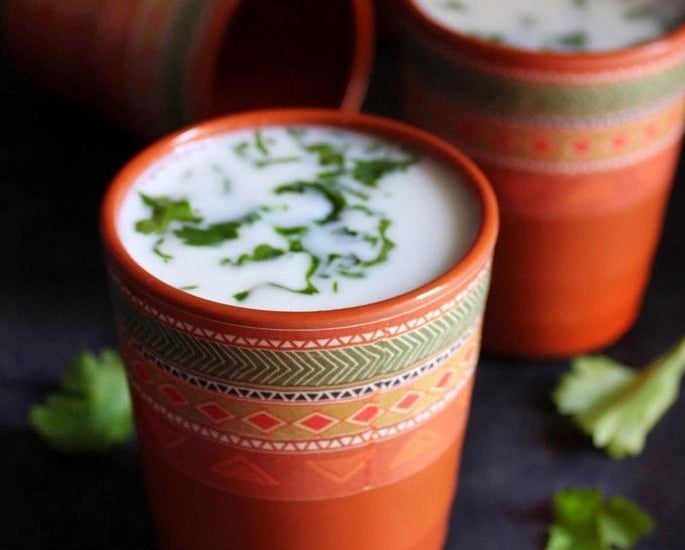
Long before sports drinks became popular, families across India and Pakistan were enjoying chaas.
This refreshing drink combines plain yoghurt with chilled water, roasted cumin, mint and a small amount of salt.
The result is a light drink that replaces fluids while providing important electrolytes lost through sweating.
It is also much lower in sugar than many fizzy drinks and sweetened juices.
Roasted cumin adds flavour without making the drink feel heavy.
Mint provides a refreshing taste that many people associate with cooler temperatures.
A glass of chilled chaas alongside lunch can be one of the simplest ways to stay refreshed during a heatwave.
Cucumber Raita
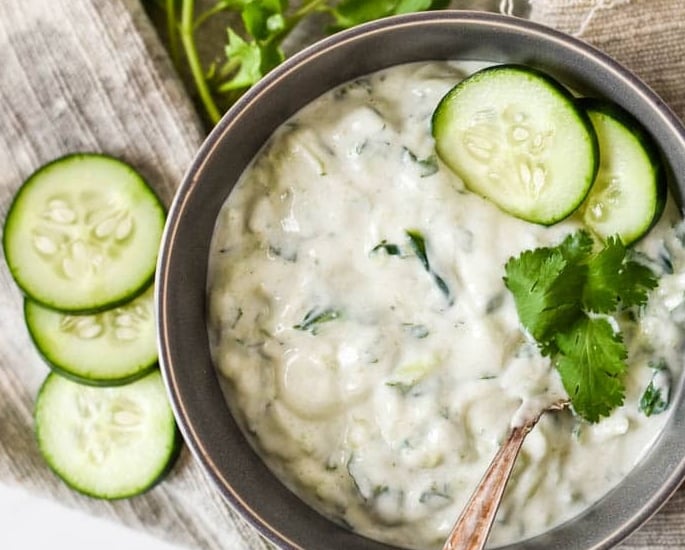
Cucumber is made up of approximately 95% water, making it one of the most hydrating vegetables available.
Combined with yoghurt, it creates one of the most cooling side dishes in South Asian cuisine.
Fresh mint and coriander add flavour while enhancing the refreshing taste.
Raita also balances spicy dishes by adding creaminess without excessive fat.
It pairs particularly well with biryani, grilled meats and vegetable curries.
Preparing cucumber raita only takes a few minutes, making it an easy addition to everyday meals.
Watermelon
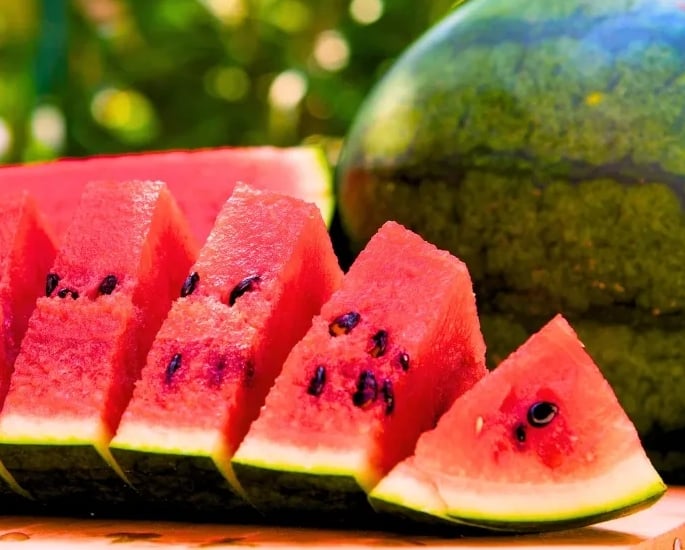
Watermelon has become a summer favourite across the world for good reason.
The fruit contains more than 90% water while also providing vitamin C, vitamin A and the antioxidant lycopene.
Many South Asian households enjoy chilled watermelon sprinkled with black salt or chaat masala.
This sweet and savoury combination creates a refreshing snack during hot afternoons.
However, chaat masala already contains salt, so it is best enjoyed in moderation.
Fresh watermelon also satisfies sweet cravings without relying on processed desserts.
Coconut Water
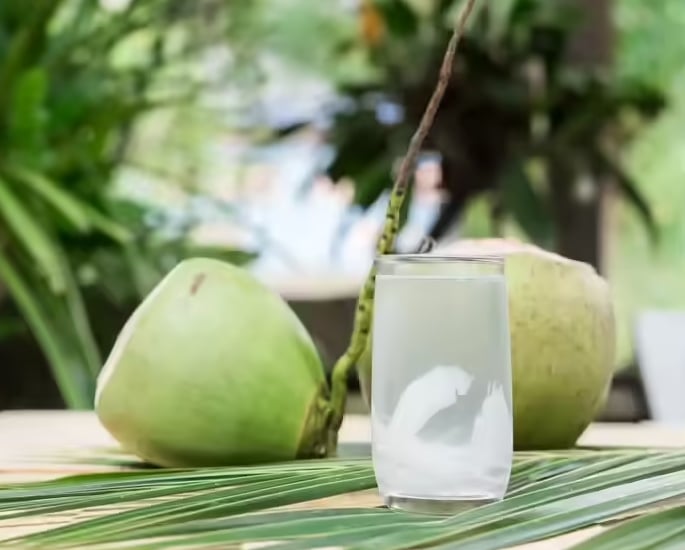
Coconut water has become increasingly popular, but it has long been enjoyed across parts of South Asia.
It naturally contains potassium, sodium and magnesium, which are electrolytes lost through sweating.
Unlike many sports drinks, coconut water contains no artificial colours and is usually lower in added sugar.
It should not replace plain water completely, but it can support hydration after spending time outdoors.
Choose unsweetened coconut water whenever possible to avoid unnecessary sugar.
Serving it chilled with fresh lime makes it even more refreshing.
Mangoes
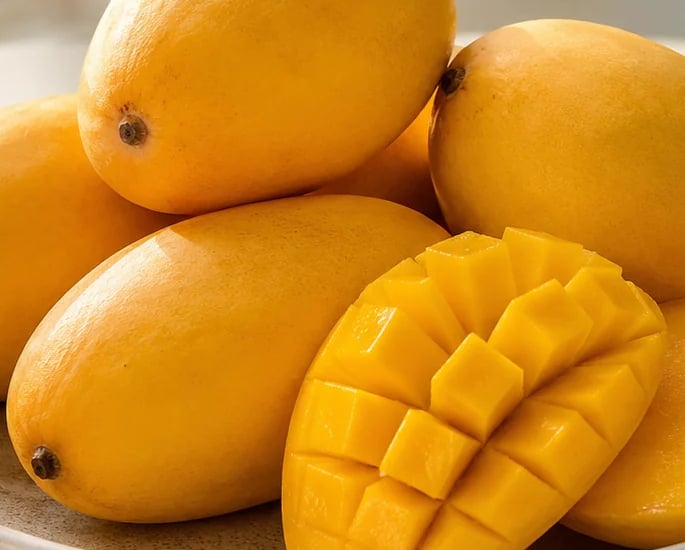
No South Asian summer feels complete without mangoes.
Whether you enjoy Alphonso, Kesar, Sindhri or Chaunsa varieties, mangoes remain one of the season’s highlights.
They provide vitamin A, vitamin C, and fibre alongside natural sweetness.
Although mangoes contain natural sugars, they can still form part of a balanced diet when enjoyed in moderation.
Fresh mango slices make a healthier choice than sugary desserts or heavily sweetened milkshakes.
Keeping mangoes chilled before serving makes them even more refreshing during hot weather.
Moong Dal Khichdi
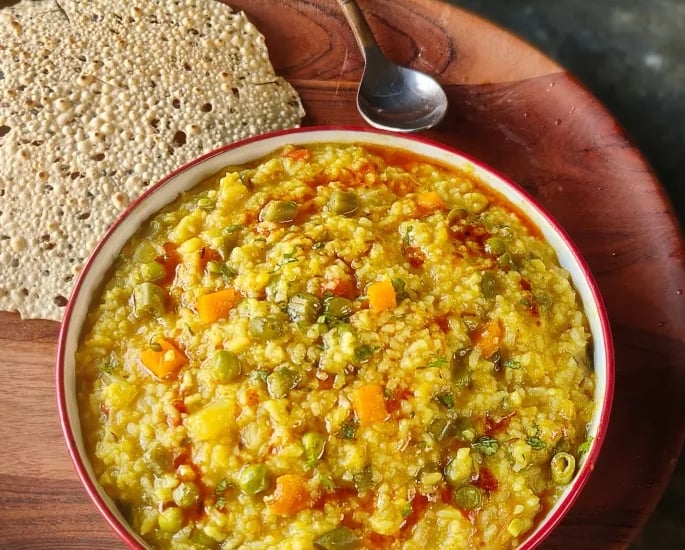
Heavy meals often become less appealing during a heatwave, making lighter alternatives a popular choice.
Moong dal khichdi offers a nourishing option while still providing balanced nutrition.
The combination of lentils and rice supplies protein, fibre and slow-release carbohydrates, helping to provide energy without feeling too heavy.
Its soft texture also makes it gentle on the digestive system.
Served with cucumber raita or plain yoghurt, khichdi becomes a satisfying meal that is refreshing and suitable for warmer weather.
Nutrition expert Jayashree Bafna highlights the importance of choosing lighter, hydrating foods during extreme heat.
She says: “The best way to combat heat with Desi foods is to prioritise light, hydrating meals and traditional summer drinks.
“Foods such as vegetable khichdi and curd rice, along with traditional drinks like ragi ambli, sattu drink and kokum sherbet with sweet basil (sabja) seeds, combine hydration with nourishment.
“Together, these foods provide fluids, electrolytes, antioxidants and slow-release energy, while fermented ingredients such as curd and buttermilk can support gut health during extreme heat.”
This makes khichdi an example of how traditional South Asian foods can offer both comfort and nourishment during hot weather.
Foods to Limit During a Heatwave
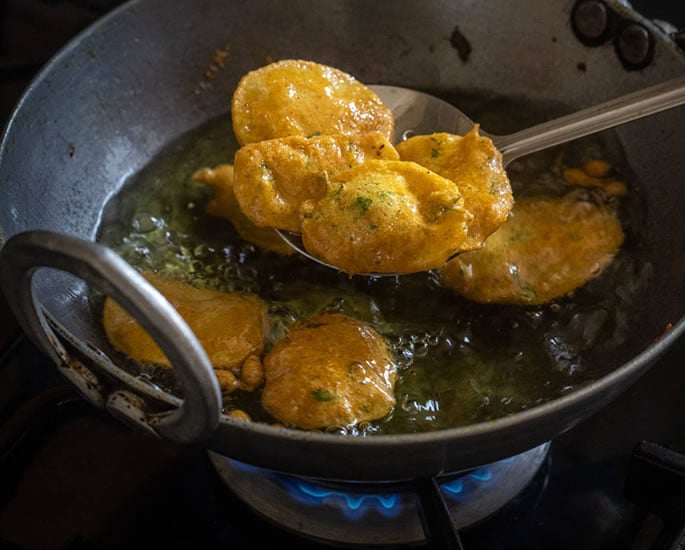
Some favourite Desi dishes are better enjoyed once temperatures begin to cool.
Deep-fried foods, rich curries and sugary desserts can leave you feeling sluggish because they take longer to digest.
Foods worth limiting during very hot weather include:
- Samosas
- Pakoras
- Rich butter-based curries
- Creamy desserts
- Sugary fizzy drinks
- Salty packaged snacks
That does not mean these foods should be avoided completely.
Instead, balance them with lighter meals, plenty of water and fresh fruit throughout the day.
Why does your Diet Matter during a Heatwave?

During hot weather, your body works harder to regulate its temperature.
Sweating helps cool the skin, but it also causes your body to lose water and important minerals called electrolytes.
These include sodium and potassium, which help maintain hydration, muscle function and healthy nerve signals.
According to the NHS, dehydration can develop more quickly during periods of extreme heat, particularly among older adults, young children and people with underlying health conditions.
The UK Health Security Agency also advises eating lighter meals and drinking fluids regularly during hot weather.
While no single food can prevent heat exhaustion, choosing hydrating ingredients and lighter meals can help support your body’s natural cooling processes.
Many South Asian cuisines evolved in countries where extreme summer temperatures are common.
As a result, traditional recipes often feature ingredients that are naturally refreshing and easy to digest.
Traditional South Asian cuisine has long embraced seasonal ingredients, and many summer favourites remain just as relevant when temperatures rise.
From cooling dahi and refreshing chaas to hydrating watermelon, these foods offer simple ways to support hydration while enjoying familiar flavours.
However, staying safe during a heatwave requires more than just changing your diet.
The NHS recommends drinking plenty of fluids, avoiding direct sunlight during the hottest parts of the day and recognising signs of heat-related illness.
Combining these steps with lighter, nutrient-rich meals can help your body better cope with extreme temperatures.
As heatwaves become more frequent, the answer to staying comfortable may already be found in traditional Desi kitchens.
For generations, South Asian households have used seasonal foods to stay refreshed during summer, proving that cultural knowledge and modern nutrition can work together.