

















































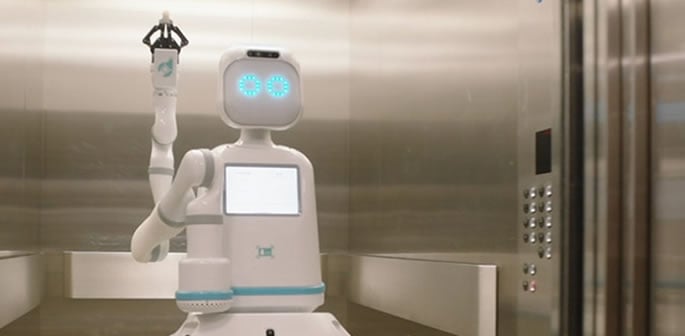
"It lowers the expense and the outlay for the hospital"
Robots are increasingly being rented through subscription services rather than purchased outright.
This approach, known as robotics-as-a-service, allows businesses to access advanced machines without large upfront costs.
The model includes the robot, maintenance, software updates and technical support as part of a recurring payment.
Hospitals, factories, farms and event companies are already using rented robots for tasks ranging from deliveries to manufacturing.
As robotics technology develops quickly, rental models are becoming a way for organisations to access newer machines without owning outdated equipment.
The shift towards robot rentals reflects a wider change in how emerging technologies are adopted.
Instead of making expensive purchases, companies can test robots in real-world environments while manufacturers continue improving their systems.
Why are Companies renting Robots?
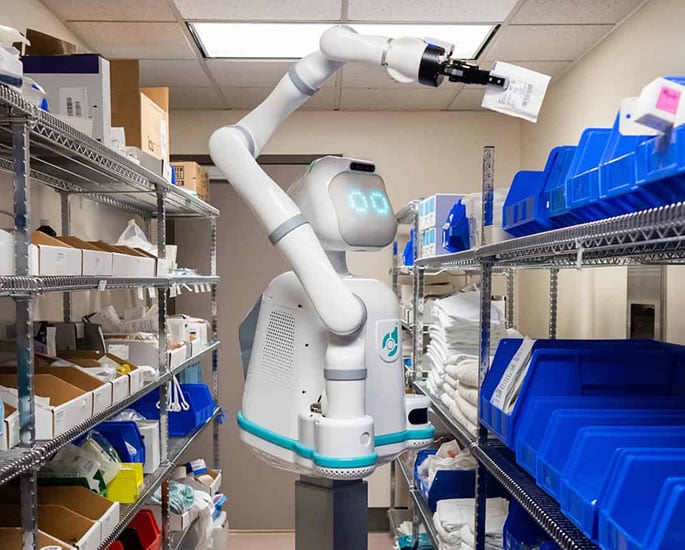
In hospitals across the US, staff have become familiar with Moxi, a four-foot-high robot designed to transport medical supplies.
Created by Diligent Robotics, Moxi moves through hospital corridors carrying equipment and medication. The robot has become recognisable because of its friendly design, including heart-shaped LED eyes.
Nurses have greeted Moxi with a “good morning”, high fives and even hugs. The robot responds with its own beep-beep greeting.
Todd Brugger, chief operating officer at Diligent Robotics, said:
“We get a lot of feedback that Moxi feels like a part of the team.”
Around 100 Moxi robots are currently operating across hospitals. However, healthcare providers do not necessarily buy the machines outright.
Instead, Moxi is offered through a robotics-as-a-service model. This combines access to the robot with maintenance, support and software improvements.
A remote engineer can also intervene if the robot encounters a problem. This reduces the technical burden on organisations using the technology.
Brugger added: “It lowers the expense and the outlay for the hospital because you’re not paying for the full purchase up front.
“Secondly, and I think more importantly, this tech is evolving very quickly… we’re routinely evolving the software and capabilities of the robot.”
The subscription approach is becoming available across multiple industries. Robots are now rented for periods ranging from a single day to several years.
Applications include hospital logistics, agricultural machinery, industrial automation and entertainment services.
For businesses, the main attraction is flexibility. Renting allows organisations to access robotics without committing to expensive hardware that could quickly become outdated.
How Humanoid Robot Rentals are Developing
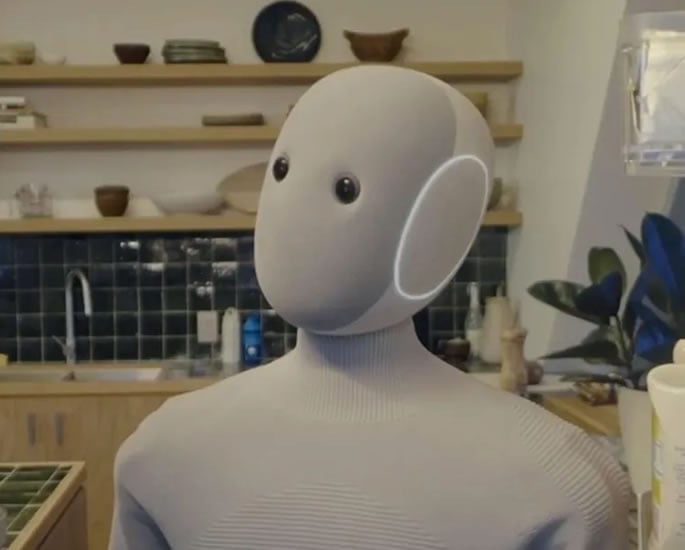
Humanoid robots are one of the fastest-growing areas within the rental market. These machines are designed to operate in environments built for humans.
However, the technology remains in its early stages. As a result, most humanoid robots are currently used for specific tasks rather than general household work.
Entertainment is one of the most common uses. Some humanoid robots can perform dances, sing or interact with guests at events.
Ethan Qi, a Beijing-based associate director at Counterpoint Research, said these performances are relatively simple compared with more complex tasks.
He added: “You hire a real dancer to perform and video it. The video is then used to train the robot. Then the robot will know how to dance.
“But the engineer will still often go with the robot in case the environment or the platform isn’t simple.”
The long-term ambition is for humanoid robots to complete more practical jobs, including household assistance.
California-based 1X Technologies plans to begin shipping its home helper robot NEO later in 2026.
Customers in the US will have two options. They can purchase the robot outright for $20,000 (£15,000), or access it through a $499 (£378) monthly subscription.
Dar Sleeper, vice president of product and design at 1X, said:
“While many customers will buy a NEO outright, a subscription significantly lowers the upfront cost, making it affordable for far more people.”
The rapid pace of development is one reason some experts believe rentals could become more attractive.
A newly purchased humanoid robot could become outdated within a short period as companies release newer versions.
Qi explained: “Every year, the robotics companies release a new model, a new iteration of the hardware.
“If you own a robot, you can’t trade it for a new one, but if you rent a robot, you can always rent the newest.”
Rentals also remove the need for customers to have specialist technical knowledge.
“It helps to solve technical problems because customers don’t know how to code the robots.”
How could this Accelerate the Wider Robotics Industry?
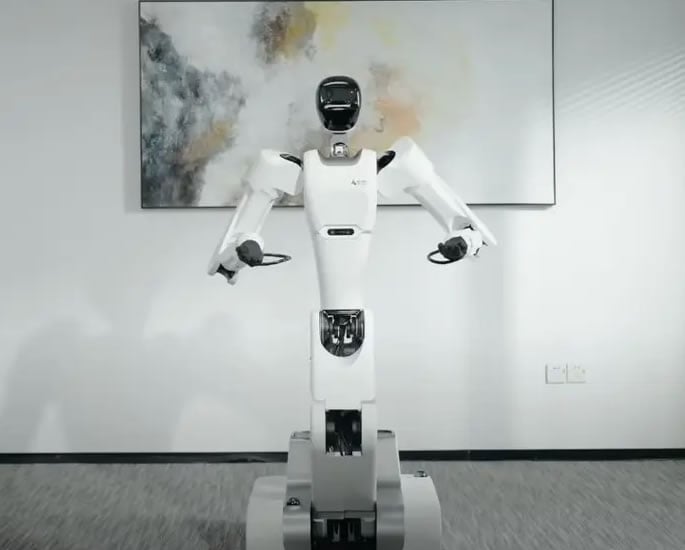
Robot-as-a-service is not limited to humanoid machines. Industrial robotics companies are also using rental models to make automation more accessible.
Chicago-based Formic operates a fleet of more than 250 industrial robots through a subscription-based service.
The company provides the robots alongside maintenance and replacement support.
Shawn Fitzgerald, chief revenue officer at Formic, said:
“Everything is included. If the robot arm burns out, that’s on us and we need to come bring you a new one.”
Fitzgerald argued that monthly payments can help smaller businesses adopt automation.
This model “levels the playing field” for companies that may not have previously been able to afford factory robots.
Formic is also testing humanoid robots for industrial applications.
Other companies are exploring different payment models.
For manufacturers, rental services also provide valuable opportunities to test robots in real-world conditions. This is particularly important for humanoid robots because the technology remains under development.
China has become a major centre for humanoid robot development and rental services. Some companies have placed robots in hotels to help train systems for future domestic use.
Others offer robots through cleaning service platforms.
Chinese firms are also expanding internationally through partnerships. Shanghai-based Agibot says its humanoid robots are available for rental in 17 countries, including the UK.
However, rental models may not replace ownership completely, as outright purchases will remain important in China, partly because of government support.
Some organisations may also choose to buy robots because ownership provides prestige, learning opportunities or better long-term financial returns.
Robot rentals are becoming an important part of the wider automation market, allowing companies to access advanced technology while avoiding large upfront investments.
The model is particularly useful for emerging technologies such as humanoid robots, where capabilities are improving rapidly.
For businesses, the decision between renting and buying will depend on their needs, budgets and the speed of technological change.
As robots become more capable, subscription-based access could become a common way for organisations and individuals to use machines without owning them.
For now, robotics-as-a-service offers a practical bridge between experimental technology and wider adoption.