
















































"I've seen people on this platform be lured into engaging"
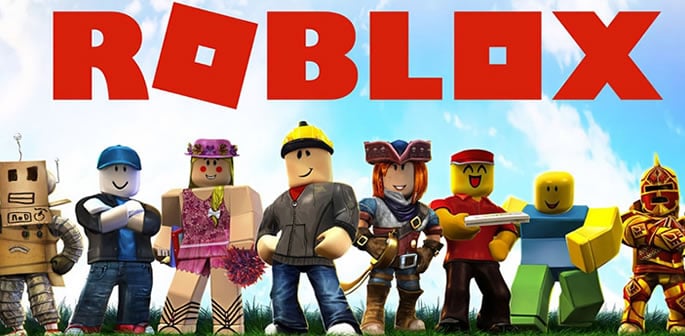
Roblox is one of the most widely used gaming platforms among children, especially in the UK, where it dominates playtime for eight to 12-year-olds.
At first glance, it looks like a creative digital playground where users can build games, explore worlds and connect with friends.
But it is a vast online ecosystem made up of millions of user-generated “experiences”, with millions of daily users and a significant proportion under the age of 13.
That scale is exactly what makes Roblox both appealing and controversial.
While many children use it without issue, concerns around grooming risks, exposure to harmful content and weak points in moderation continue to grow.
The core question for parents is no longer whether Roblox is popular, but whether it can ever be fully safe for young users.
Why Roblox’s Scale makes Child Safety Harder to Control
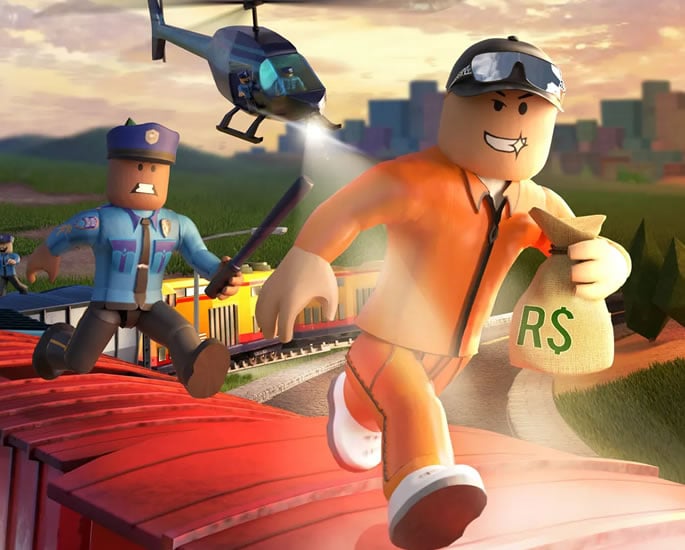
Roblox is not a single game. It is a platform where anyone can create and publish experiences, from role-playing worlds to competitive shooters and social spaces.
In 2024, it averaged more than 80 million daily users globally, with around 40% under the age of 13. That combination of scale and user-generated content is central to both its success and its safety challenges.
Chris McKenna, an online safety expert and author, argues that this structure makes full control almost impossible.
He describes Roblox as “a gaming universe” made up of millions of games and hundreds of millions of users every day.
He says this scale is often underestimated by parents, comparing it to “a digital playground three times the size of Tokyo”, where moderation cannot realistically catch everything.
His warning is blunt:
“There’s no way any company on earth can keep all the nefarious activity out of a universe that big.”
McKenna argues that even strong safety systems will struggle in an environment where content is constantly being created, changed and re-uploaded at speed.
This concern is echoed by independent research.
An investigation by digital behaviour experts Revealing Reality found what it called “a troubling disconnect between Roblox’s child-friendly appearance and the reality of what children experience on the platform”.
In controlled tests using child-like accounts, researchers found access to environments containing sexualised behaviour, suggestive imagery and inappropriate interactions, despite safety tools and content labels.
Roblox says it uses moderation systems, filters and human review alongside AI tools, but critics argue the volume of content makes consistent enforcement difficult.
Stranger Interaction and Grooming Risks
Alongside content risks, communication between users remains one of the most debated aspects of Roblox safety.
The platform allows social interaction in-game, and while direct messaging is restricted for younger users, interaction can still happen in public spaces and within experiences.
An independent Roblox developer told BBC Radio 5 Live that he believes current protections are not strong enough.
He said parents should monitor children “24/7, and if that’s not possible then they shouldn’t be playing Roblox”.
The developer admitted seeing concerning behaviour:
“I’ve seen people on this platform be lured into engaging in ways that they shouldn’t with complete strangers.”
He also described cases where users attempted to move conversations off the platform, something Roblox explicitly prohibits. In his view, enforcement does not always match the scale of the problem.
More widely, researchers and parents have raised concerns about grooming risks on platforms like Roblox.
While the company has introduced age verification systems and communication limits, critics argue these are not always effective in preventing contact between adults and children in certain scenarios.
Revealing Reality’s investigation also highlighted how easily interactions between different age groups could still occur in practice.
In some cases, test accounts were exposed to inappropriate conversations and environments, despite safeguards intended to prevent this.
Parents have also reported real-world impacts, including children experiencing anxiety after unwanted interactions or exposure to disturbing content.
While these cases are not representative of every user, they highlight the emotional risks when online safety systems fail.
Age Verification and Limitations
Roblox has repeatedly defended its approach to safety, stating that “safety is a top priority” and that it uses advanced filters, moderation systems and age verification checks designed to protect younger users.
In 2026, the platform introduced mandatory age verification for UK users, part of a wider global rollout.
The aim is to ensure children can only communicate with users of similar ages by default, reducing exposure to adult contact.
The company also says it monitors user behaviour continuously and prompts users to re-check their age if inconsistencies are detected.
A Roblox spokesperson said: “We also continuously monitor user behaviour. If we detect signs their actions do not match their checked age, we prompt users to age check again.”
The company also insists it takes swift action against users who break its rules and invests heavily in moderation.
Matt Kaufman, Roblox’s chief safety officer, said: “Trust and safety are at the core of everything we do.”
However, even Roblox acknowledges limitations, previously stating that age verification for under-13s remains an “industry challenge”, and that no system can eliminate all risk entirely in user-generated environments.
Revealing Reality concluded that despite new parental controls and safety updates, “safety controls that exist are limited in their effectiveness and there are still significant risks for children on the platform.”
This tension is reflected globally.
Countries including Russia and Turkey have banned Roblox entirely over child safety concerns, while Indonesia has restricted access for under-16s.
In the UK, the government is currently reviewing wider online safety measures for children, including app limits and potential curfews, though it has not confirmed whether Roblox would fall under any future restrictions.
Even Roblox’s own leadership has acknowledged parental responsibility as part of the equation.
CEO Dave Baszucki previously said:
“My first message would be, if you’re not comfortable, don’t let your kids be on Roblox.”
The dangers of Roblox for children are not rooted in a single flaw, but in the scale and structure of the platform itself.
It is a space built for creativity and connection, but one where millions of users, user-generated content and social interaction collide in real time.
That combination makes full safety control extremely difficult, even with advanced moderation tools and age verification systems.
Experts disagree on where the line should be drawn, but they broadly agree on one point: risks cannot be ignored.
From exposure to inappropriate content to potential contact with strangers, the platform carries challenges that parents cannot always see or fully manage alone.
At the same time, Roblox remains a hugely popular digital space where many children play safely every day.
The real issue is not whether Roblox is entirely safe or unsafe, but how much responsibility should sit with platforms, regulators and parents in managing risk in a digital world that is constantly expanding faster than its safeguards can fully keep up.