

















































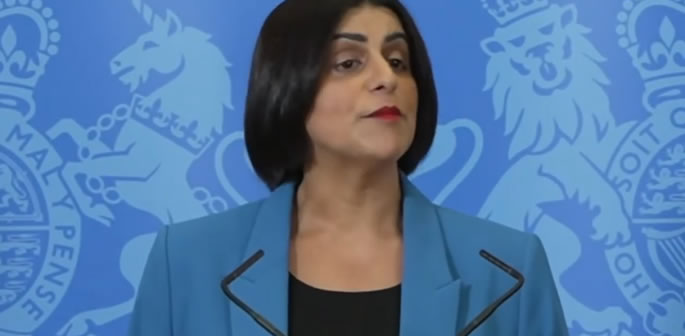
"this system only survives if the public trusts that it is fair"
Shabana Mahmood has outlined plans for a new refugee sponsorship route into the UK, alongside further restrictions on asylum claims and immigration appeals.
The proposals, which will be introduced later in 2026, would allow organisations such as universities, community groups and businesses to sponsor refugees seeking to settle in Britain.
The model is based on Canada’s long-running community sponsorship scheme.
The announcement forms part of the government’s broader efforts to reform the UK’s asylum system, reduce reliance on taxpayer-funded hotel accommodation and restore public confidence in immigration controls.
Home Secretary Shabana Mahmood said the changes would ensure support remained available for those genuinely fleeing conflict and persecution while preventing abuse of the system.
She said: “Britain has always offered sanctuary to those fleeing war and persecution.
“But this system only survives if the public trusts that it is fair, controlled, and not open to abuse.”
The Home Office said the new pathways would complement existing refugee resettlement programmes and would operate under strict controls, with annual caps on arrivals.
The plans come as Mahmood seeks to secure support for her immigration legislation ahead of an expected leadership challenge from Greater Manchester Mayor Andy Burnham.
The bill is due to be debated in the House of Commons next week, although some Labour MPs are expected to oppose its tougher provisions.
Earlier in 2026, the government introduced reforms inspired by Denmark’s immigration system, including limiting refugee protection to temporary status and extending the period migrants must wait before becoming eligible for permanent residency.
Those measures prompted criticism from some Labour MPs, who argued that expanding safe and legal routes would help reduce dangerous small boat crossings across the English Channel.
The latest proposals draw heavily on Canada’s community sponsorship programme, which has resettled nearly 400,000 refugees since its introduction in 1979.
In Canada, 70% of sponsored refugees find work within a year, 30% higher than those resettled through government schemes, according to the Home Office.
The UK currently operates a smaller sponsorship programme through the UK Resettlement Scheme (UKRS). However, the Home Office said most refugees under that programme are supported by local authorities rather than community organisations.
Under the new arrangements, approved sponsors could include universities, churches and other community groups, although ministers have yet to confirm the full range of organisations that will be eligible.
Participating organisations would be responsible for helping refugees secure housing, employment and community support.
The government said it would work alongside the UN High Commissioner for Refugees to determine eligibility, with all applicants required to undergo background and security checks before entering the UK.
A separate employment-based refugee sponsorship route is expected to launch in 2027, allowing businesses to sponsor refugees directly.
Applications for the university sponsorship pathway are expected to open later this year, with the first arrivals anticipated in 2027.
While ministers have not specified how many refugees will be admitted through the new routes, the Home Office said numbers would initially remain low and be subject to annual caps.
Officials added that the programme could eventually operate at a significantly larger scale than the existing UKRS scheme.
The government also confirmed that the Home Office would retain control over which organisations receive sponsorship licences and that all applicants would face stringent checks.
The announcement was criticised by the Conservatives, who argued that no additional refugee routes should be introduced until illegal migration is significantly reduced.
Shadow Home Secretary Chris Philp said: “We shouldn’t be shipping any extra people in at all on ‘humanitarian grounds’.”
He added that the proposals “won’t stop the boats” and accused Labour of supporting “open borders”.
Meanwhile, Liberal Democrat home affairs spokesperson Max Wilkinson described the plans as “a step in the right direction” but argued that further action was required to tackle small boat crossings.
The Community Sponsorship Alliance also welcomed the proposals but warned against imposing overly restrictive eligibility criteria.
Its deputy chair, Leonie Ansems De Vries, said: “We urge the government not to draw eligibility criteria so narrowly that it stifles the very public goodwill that makes sponsorship work.”
Alongside the introduction of new refugee routes, ministers have confirmed plans to tighten asylum rules relating to family life claims under the European Convention on Human Rights (ECHR).
While some politicians have called for the UK to leave the ECHR, the Home Office said continued membership remained “firmly in our national interest, especially at a time of geographical instability”.
However, ministers plan to narrow the legal definition of family members for immigration appeals to immediate relatives only.
The government is also proposing changes to the application of the Modern Slavery Act in asylum cases.
Under the reforms, foreign nationals who have received custodial sentences, or where evidence suggests documents have been forged, could lose eligibility for certain protections.
The latest immigration announcement also exposed tensions within the government after Mahmood clashed publicly with junior minister Mike Tapp.
Tapp used an article in The Times to argue that foreign care workers should be exempt from planned visa changes affecting migrants already living in the UK.
Reports suggest Mahmood requested Tapp’s dismissal, although Prime Minister Keir Starmer declined to remove the minister.