


















































This is often linked to a combination of dietary patterns
Matcha has become one of the UK’s most popular wellness drinks, but its relationship with iron absorption is an issue many people do not know about.
While the powdered green tea is praised for its antioxidants and potential health benefits, it also contains compounds that can reduce the body’s ability to absorb non-haem iron from plant-based foods when consumed around mealtimes.
This is particularly relevant for South Asians, where iron deficiency is a recognised nutritional concern, especially among women.
Diets that include more plant-based sources of iron, such as lentils, beans and leafy greens, can require careful consideration to support effective iron absorption.
As matcha continues to gain popularity across the UK, understanding when and how it is consumed can help people make informed choices.
Knowing the link between matcha and iron does not mean avoiding the drink, but rather understanding how it can fit into a balanced diet.
Why Iron Matters More than People Realise
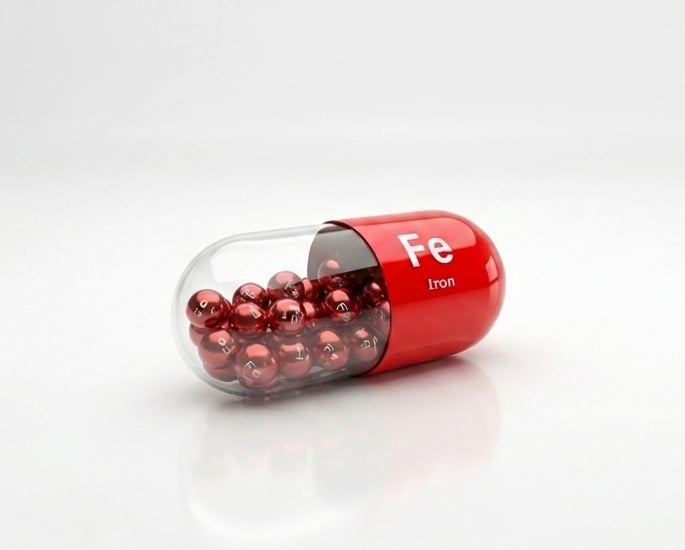
Iron is essential for energy and overall health.
It helps produce haemoglobin, the protein in red blood cells that carries oxygen around the body.
When iron levels drop, people can experience fatigue, dizziness, low mood and reduced concentration.
Iron deficiency is one of the most common nutritional deficiencies in the world, affecting a large proportion of the global population, according to WHO.
In the UK, South Asian women are among the groups more likely to experience low iron levels.
This is often linked to a combination of dietary patterns, higher iron requirements, and reliance on plant-based sources of iron.
This is where everyday habits, including popular drinks like matcha, start to matter more than people expect.
What Matcha Actually Does
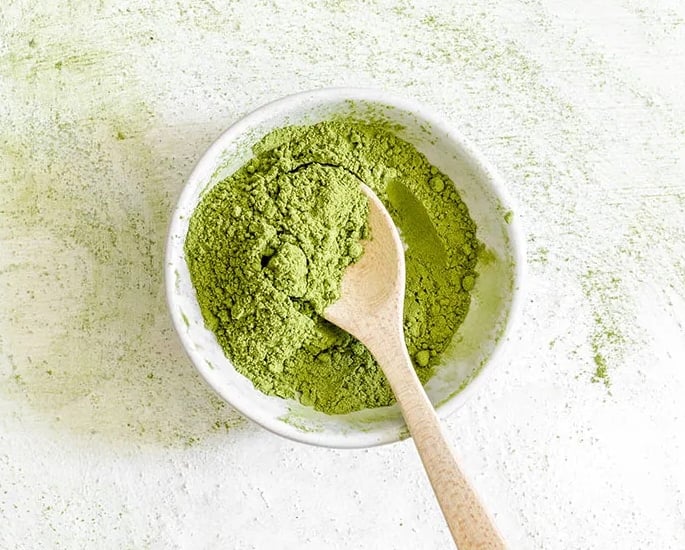
Matcha itself does not contain significant amounts of iron, so it is not a source of deficiency.
The issue is not what it removes, but how it interacts with iron from food during digestion.
Matcha contains natural plant compounds called polyphenols, which are also found in regular green tea.
These compounds are widely studied for their antioxidant properties and are part of what makes matcha popular in health culture.
However, they can also bind to iron in the digestive system, particularly the type of iron found in plant-based foods, making it harder for the body to absorb.
Research on tea and iron absorption has consistently shown this effect, especially when tea is consumed alongside meals.
The Science Behind It
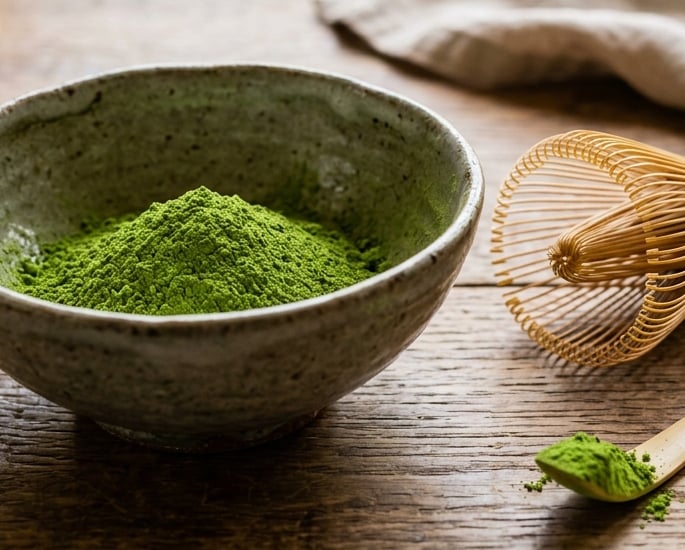
The key point is not complicated.
Iron from animal products is generally absorbed more easily by the body, while iron from plant-based foods is more sensitive to interference from other compounds in the diet.
Studies suggest that tea, including green tea, can reduce the absorption of iron by a noticeable amount depending on timing and meal composition.
In some cases, reductions of around 20% or more have been observed when tea is consumed with food.
This does not mean iron is completely blocked or lost.
It means the body absorbs less of it during that meal, and over time this can matter more for people who already have lower iron intake or borderline levels.
Why this is relevant for South Asians

This interaction is particularly relevant in South Asian diets because many traditional meals rely heavily on plant-based sources of iron such as lentils, chickpeas, spinach, and grains.
These foods are nutritious and important, but they provide a form of iron that is less easily absorbed.
At the same time, iron deficiency is already more common in South Asian women in the UK, making absorption efficiency more important in everyday nutrition.
With matcha now becoming a regular part of modern café culture, it often sits alongside or immediately after meals.
Without people realising, there may be a small nutritional interaction taking place.
The most important thing to understand is that matcha does not need to be removed from the diet. The impact on iron absorption is linked mainly to timing rather than overall consumption.
When matcha is consumed with meals, especially iron-rich meals, the interaction is stronger.
When it is consumed away from food, the effect is much smaller.
This is why nutritionists often suggest leaving a gap between tea or matcha and meals, allowing the body to absorb iron more effectively.
A simple approach is to treat matcha as something you have between meals rather than alongside them.
Matcha can reduce the absorption of non-haem iron when consumed with or shortly after iron-rich meals, but it does not mean you need to avoid the drink altogether.
The key is timing. Enjoying matcha between meals, rather than alongside foods such as lentils, beans, leafy greens or fortified cereals, can help minimise its effect on iron absorption.
For people concerned about maintaining healthy iron levels, particularly those who get much of their iron from plant-based foods, understanding this link can support better dietary choices.
Ultimately, matcha can still be part of a balanced lifestyle. A simple change in when you drink it can allow you to enjoy its benefits while continuing to support your body’s iron needs.