














































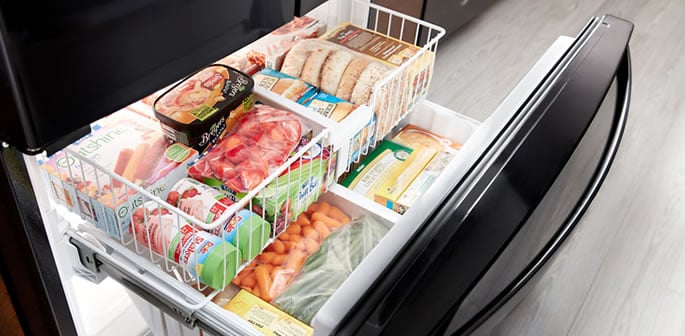
"frozen spinach is incredibly versatile."
When it comes to longevity and healthy eating, frozen foods are often overlooked. But they may play a far bigger role.
From antioxidant-rich berries to protein-packed edamame, the freezer can hold a surprising range of nutrient-dense staples that support balanced diets with minimal effort.
Far from being a second-best option, frozen produce is increasingly recognised as a practical way to maintain consistency in healthy eating.
Dr Asiya Maula, private GP at The Health Suite, says these foods are not only convenient but can actively support healthier ageing and longevity.
Her view challenges the idea that fresh is always superior, instead placing frozen foods firmly within a modern, evidence-informed approach to nutrition.
Frozen Berries
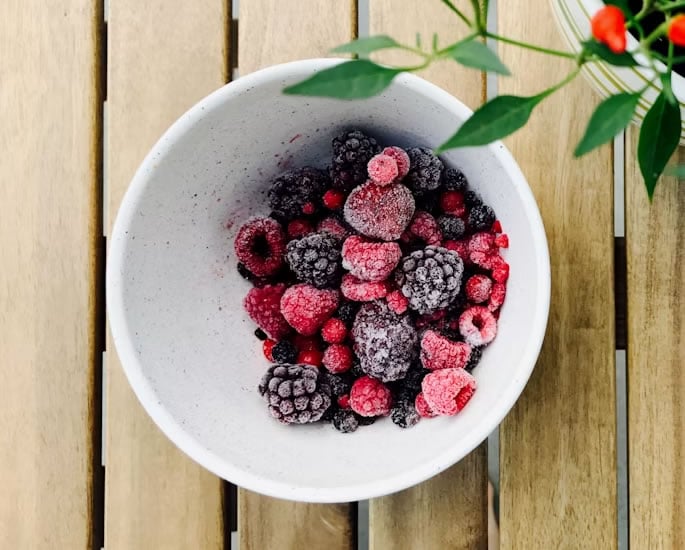
Dr Maula said frozen berries are among the most effective longevity-friendly foods to keep at home.
They offer a concentrated source of nutrients and are easy to incorporate into daily meals.
She said: “Berries contain fibre and beneficial plant compounds called polyphenols, which have been linked to a range of health benefits.
“They’re easy to add to porridge, yoghurt or smoothies, and frozen berries are often much more affordable than fresh.”
Frozen Spinach
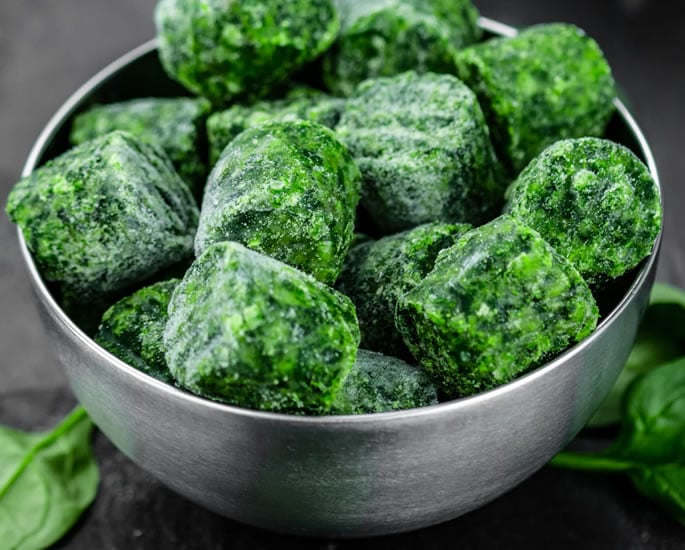
Frozen spinach is a practical way to increase vegetable intake without adding preparation time.
It fits easily into a wide range of meals, making it a useful option for consistent healthy eating.
Dr Maula explained: “Spinach contains vitamins, minerals and antioxidants, and frozen spinach is incredibly versatile.
“It can be added to soups, stews, curries, pasta sauces or omelettes without much preparation.”
Edamame Beans
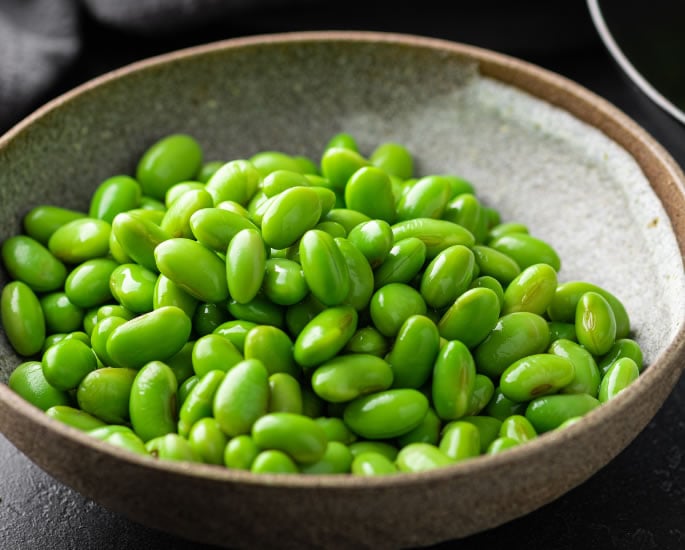
Edamame is highlighted as a freezer staple that combines plant protein with fibre.
It supports satiety, which can help with appetite regulation and overall dietary balance.
Dr Maula said: “Edamame provides plant protein and fibre, which can help support satiety and overall health.
“They’re an easy addition to salads, stir-fries or grain bowls.”
Mixed Vegetables
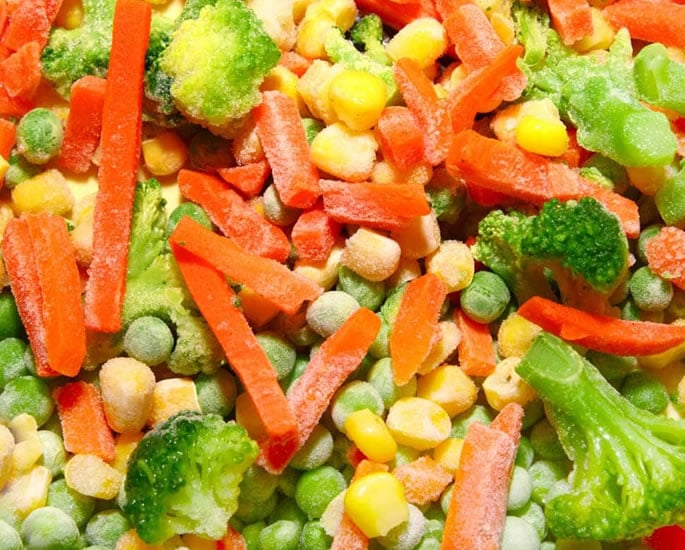
Frozen mixed vegetables offer convenience alongside nutritional variety. They reduce the effort required to prepare balanced meals, which can improve long-term dietary adherence.
According to Dr Maula: “One of the biggest barriers to healthy eating is convenience.
“Having vegetables already prepared and ready to cook makes it much easier to include them in meals.”
Variety in vegetable intake also supports gut health and overall dietary diversity, which is increasingly linked to long-term wellbeing.
Fish
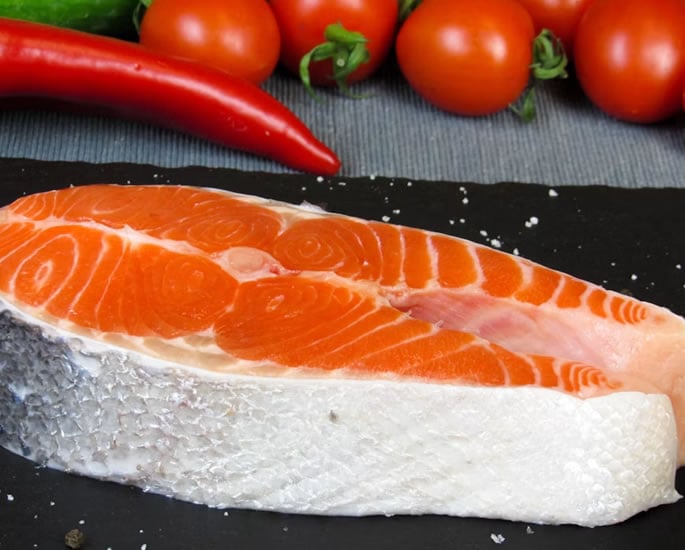
Oily fish such as salmon is another freezer essential linked to longevity. It provides key nutrients that support cardiovascular and brain health.
Dr Maula explained: “Fish provides high-quality protein and important nutrients including omega-3 fatty acids.
“Keeping frozen portions available can make it easier to include fish in your diet regularly.”
Why Freezer Foods support Longevity
Dr Maula said the foundation of healthy ageing lies in consistency rather than perfection. Long-term health outcomes are shaped by repeated daily habits rather than short-term dietary changes.
“The healthiest diets are usually the ones people can stick to long term.”
“Having nutritious foods available in the freezer means you’re less reliant on takeaways, ultra-processed convenience foods or whatever happens to be in the cupboard.”
According to Dr Maula, longevity is rarely linked to a single dietary breakthrough. Instead, it reflects steady, repeated choices over many years.
She added: “People often look for one magic ingredient, but long-term health is usually built through small habits repeated consistently over many years.
“A well-stocked freezer can be a surprisingly effective part of that.”
Dr Maula emphasises that longevity is not driven by any single superfood or isolated change.
It develops through consistent habits that accumulate over time.
Frozen foods can help remove everyday barriers to healthier eating. This makes sustained nutritional balance more achievable in real life.