









































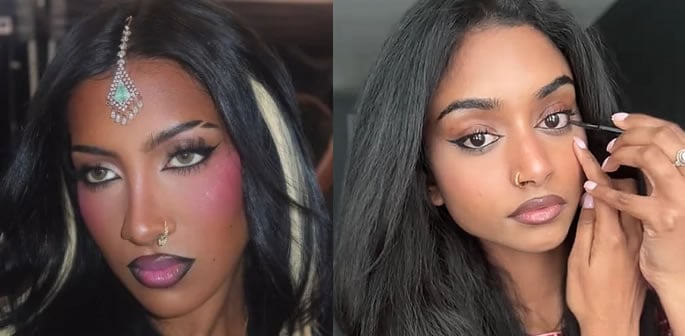
"Traditional kajal looks are making a comeback"
Kajal is inspiring one of 2026’s biggest beauty trends as graphic eyeliner and maximalist eye makeup replace minimalist looks.
While fresh, natural skin remains popular, bold eyes are becoming the defining feature of modern beauty.
For South Asians, this global trend is less of a revival and more of a recognition of a centuries-old tradition rooted in culture and self-expression.
From Bollywood icons to British South Asian beauty creators, kajal has long been used to create striking, expressive looks that continue to evolve.
As the beauty industry embraces statement eyes, kajal is proving that heritage can be just as influential as the latest runway trend.
Kajal Has Always Been More than Makeup
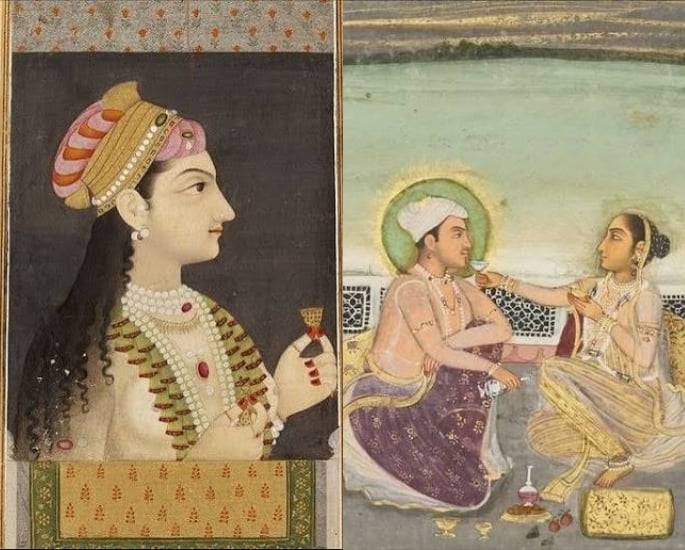
Unlike many modern cosmetics, kajal carries centuries of cultural significance across South Asia.
Its history stretches across India, Pakistan, Bangladesh and Nepal, where communities have used it for beauty and spiritual practices for generations.
Traditionally, kajal was created using soot combined with natural ingredients such as oils, clarified butter or castor oil.
Before commercial beauty products became widely available, homemade recipes were often passed between family members.
Across South Asian communities, kajal became associated with both beauty and protection.
Some families believed it helped shield the eyes from sunlight and dust, while others used it as a symbol of protection against the evil eye.
Although these beliefs are rooted in cultural traditions rather than scientific evidence, they continue to hold emotional significance today.
In many households, newborn babies received a small mark of kajal behind the ear or on the forehead as part of family customs.
The Mughal Empire also influenced the popularity of dramatic eye makeup, with heavily lined eyes becoming associated with elegance and royal beauty.
These styles later appeared in artwork and fashion across the Indian subcontinent.
Today, many British South Asians remember watching mothers and grandmothers apply kajal before family celebrations and religious occasions.
More than a beauty product, kajal has endured because it represents heritage and cultural pride while continuing to evolve with modern makeup trends.
How Kajal is Shaping Graphic Eyeliner Trends
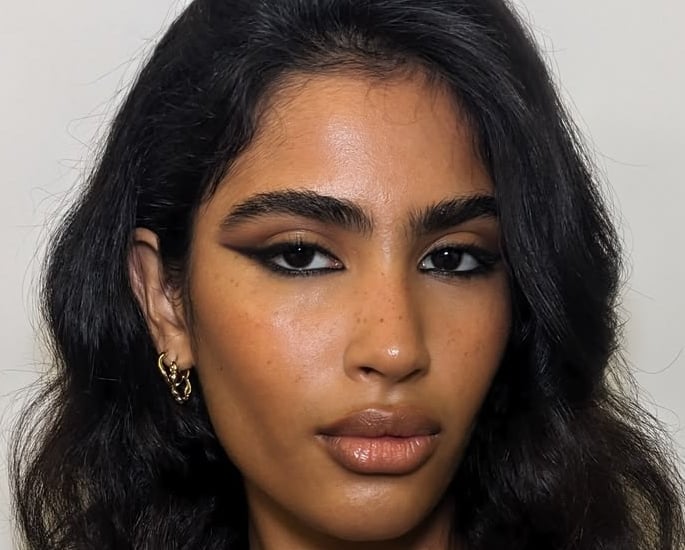
Beauty trends often come full circle.
For several years, the “clean girl” aesthetic favoured glowing skin and barely visible eyeliner.
In 2026, the focus has shifted towards graphic eyeliner and maximalist eye makeup, with bold eye looks dominating fashion campaigns and social media.
Many defining elements of today’s graphic eyeliner trend have existed within South Asian beauty for generations.
Elongated wings and richly pigmented black kajal have long been signature techniques worn for everyday beauty and celebrations.
What has changed is the styling.
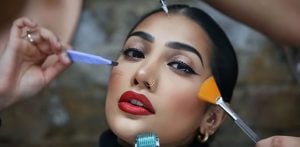
Contemporary makeup artists are reimagining these classic techniques through floating colourful eyeliner and double wings.
This allows younger generations to embrace global beauty trends while staying connected to their cultural heritage, proving that traditional kajal remains as relevant as ever.
Why Kajal Complements South Asian Features
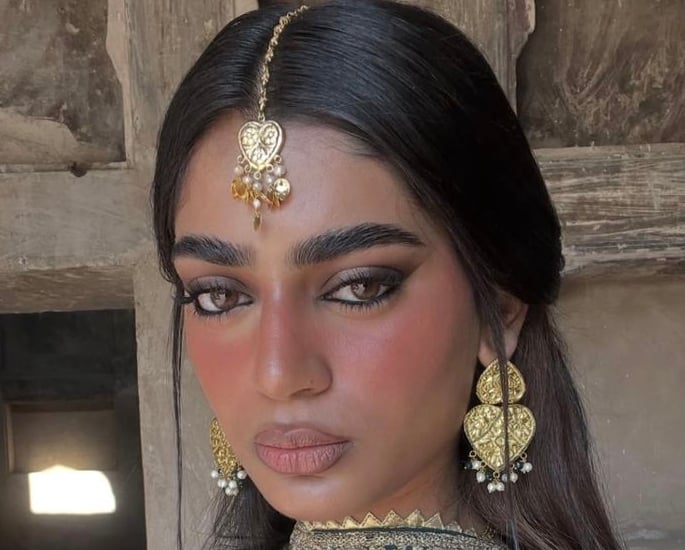
Kajal has remained a beauty essential because it enhances the natural features found across South Asian communities.
Deep brown eyes create a striking contrast against richly pigmented black kajal, making the eyes appear more defined without relying on heavy eyeshadow.
This natural contrast allows even simple eyeliner looks to make a statement.
Makeup artists recommend layering coloured graphic eyeliner over traditional black kajal to create depth and dimension.
Shades such as emerald, sapphire, plum and burgundy enhance warm undertones, while metallic gold and bronze brighten the eyes without overwhelming the complexion.
Sharp wings can elongate almond-shaped eyes, and floating eyeliner creates an editorial finish while complementing natural eye shapes.
MUA Raveen says: “I think it’s exciting to see kajal return to mainstream makeup.
“Traditional kajal looks are making a comeback, especially in the South Asian wedding scene, while modern styles like a sharp cat eye keep the look fresh.
“Heavier eye makeup really complements our natural features.”
Rather than encouraging people to change their features, kajal enhances what already exists.
Its versatility allows wearers to embrace modern makeup trends while celebrating the natural beauty of South Asian eyes.
This reflects a broader shift within the beauty industry towards individuality and self-expression.
Instead of chasing one universal beauty standard, consumers are choosing makeup that celebrates their features and personal style.
Giving Kajal a Global Audience
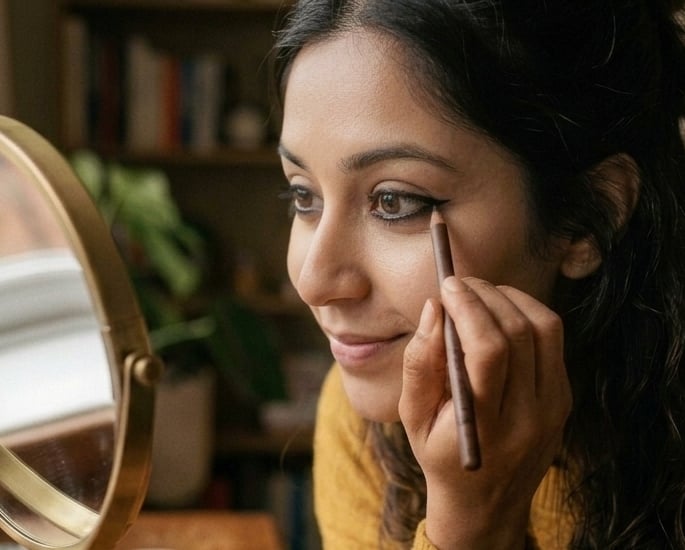
TikTok, Instagram Reels, and YouTube Shorts have transformed how beauty trends spread around the world.
Graphic eyeliner tutorials attract millions of views because they offer dramatic results using just a few products.
South Asian creators have played a major role in this movement.
For years, mainstream beauty campaigns rarely showcased techniques designed for darker skin tones and naturally brown eyes.
Today, British South Asian creators are helping redefine beauty standards by demonstrating how cultural traditions inspire modern makeup looks.
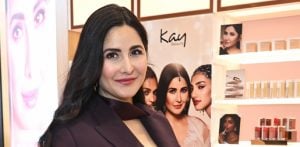
Brands including Huda Beauty, Kulfi Beauty, Lakmé and Kay Beauty continue to develop waterproof kajal formulas and long-wearing pigments that appeal to a global audience while celebrating South Asian beauty traditions.
According to a blog:
“Waterproof kajal is basically your regular kohl pencil for eyes but with superpowers.”
Kajal is inspiring the maximalist eye makeup trend because it combines centuries of South Asian heritage with modern beauty innovation.
Its greatest strength lies in its ability to connect generations.
A grandmother’s daily beauty ritual and a Gen Z creator’s graphic eyeliner tutorial may appear different, yet both embrace expressive eyes.
That continuity explains why kajal has remained relevant while countless beauty trends have faded.
Whether worn as a softly smudged everyday liner or dramatic bridal makeup, kajal continues to evolve without losing its cultural significance.
As maximalist eye makeup continues to evolve, kajal remains a timeless beauty staple that bridges South Asian heritage with modern trends.