

















































"Sport is such a great way of breaking down language barriers."
To mark South Asian Heritage Month, stories of identity, representation and community at Khalsa Academy are being shared through an exhibition.
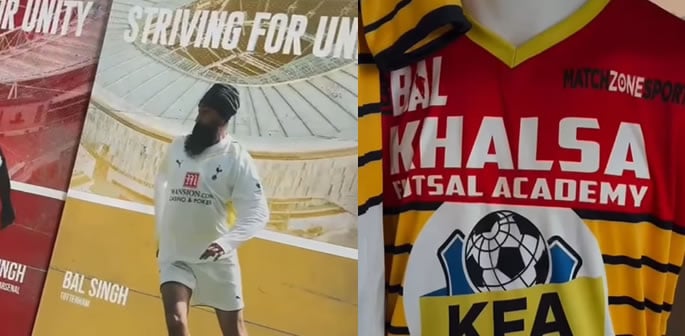
The Striving for Unity exhibition is on display at The Galleria in Hatfield throughout July.
Featuring artwork, memorabilia and personal stories, it celebrates the academy’s lasting impact on representation, inclusion and community.
Khalsa Youth Football Academy was founded by Baljinder Singh Lehal in the late 1980s after recognising the barriers preventing many South Asian youngsters from accessing football.
At the time, South Asian representation across grassroots and professional football remained extremely limited.
Bal wanted to create a space where talented young players could develop their skills without feeling excluded.
He explained: “The reason we set up the academy was to give an opportunity for young Asians to have a platform to showcase their skill.”
More than three decades later, the academy continues to support young people through football and futsal while encouraging confidence and personal growth.
For many former players, the academy became much more than a place to train.
It provided a safe environment where friendships were formed and lasting community connections developed.
Former player Ricky Dhillon joined the academy when he was only 10 years old.
He said: “It has meant community for me. I always had a place to come back to where you can have a safe space to play and also just connect with others.”
Dhillon later became a futsal coach, helping inspire the next generation of young players.
Reflecting on the exhibition, he added: “Being part of the academy since I was very young has made me think about how I impact the world and how I impact other people.”
He hopes sharing his journey encourages others to create their own positive stories.
The exhibition also explores why representation continues to matter within football.
View this post on Instagram
Coach Paul Singh, who has spent 15 years with the academy, believes seeing people from similar backgrounds makes the sport feel more welcoming.
He said:
“As a South Asian community, we don’t get a lot of representation within football.”
Growing up surrounded by players from similar backgrounds helped him feel included and inspired.
The exhibition demonstrates how visibility can encourage greater participation and confidence among future generations.
Alongside personal accounts, visitors can view memorabilia that reflects important moments in South Asian sporting history.
Displays include football shirts and items linked to Team India’s victory at the 2010 Street Child World Cup.
Together, they highlight the contribution South Asians have made to football both in Britain and internationally.
Baljinder believes sport remains one of the strongest ways to unite people from different communities.
He said: “Sport is such a great way of breaking down language barriers. It’s such a powerful way to bring different community groups together.”
The Striving for Unity exhibition celebrates much more than football achievements.
It honours stories of resilience and identity while recognising the lasting contribution of British South Asians to the game.
As South Asian Heritage Month continues, the exhibition reminds visitors that representation creates opportunity, community builds confidence and football can inspire change for generations to come.