



































"It has to be theatrical, dynamic and it has to be exciting.”
The curator of a landmark exhibition depicting more than 50 years of South Asian life in Britain is urging communities to share their family stories to help challenge rising racist and divisive rhetoric.
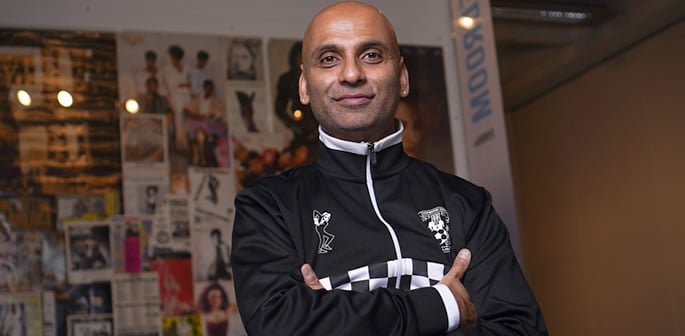
Hardish Virk’s family history and collection of more than 1,000 South Asian artefacts inspired the exhibition, Stories That Made Us – Roots, Resilience, Representation.
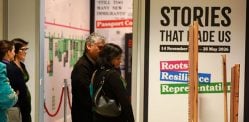
The exhibition is open at Coventry’s Herbert Art Gallery & Museum, running until May 25, 2026.
Hardish hopes the project will help to confront the language and tensions around British identity resurfacing today, with government figures released in October showing a rise in religious and race hate crimes.
He said: “This exhibition has been almost 30 years in the making, but the need to share it now is urgent.”
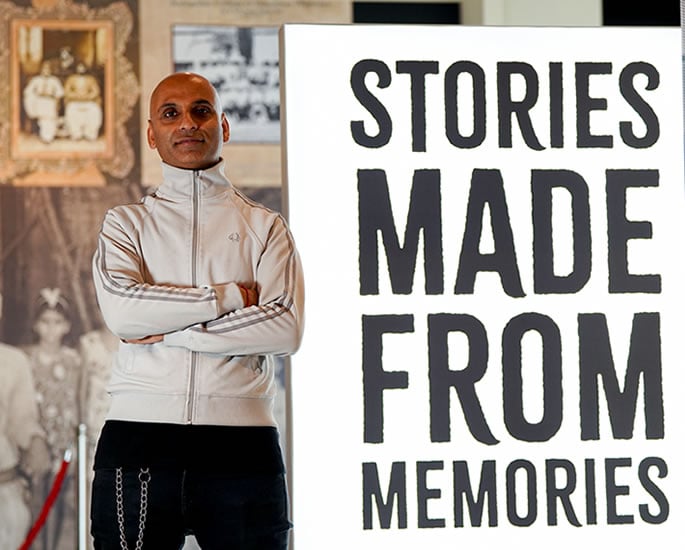
Linking the sense of urgency to the climate in the Midlands and beyond, Hardish continued:
“Division and fear is on the rise in the Midlands, but this is clearly a nationwide problem.
“We need to create spaces where communities come together to share personal stories and family histories. They shape identity, belonging and how we see each other.”
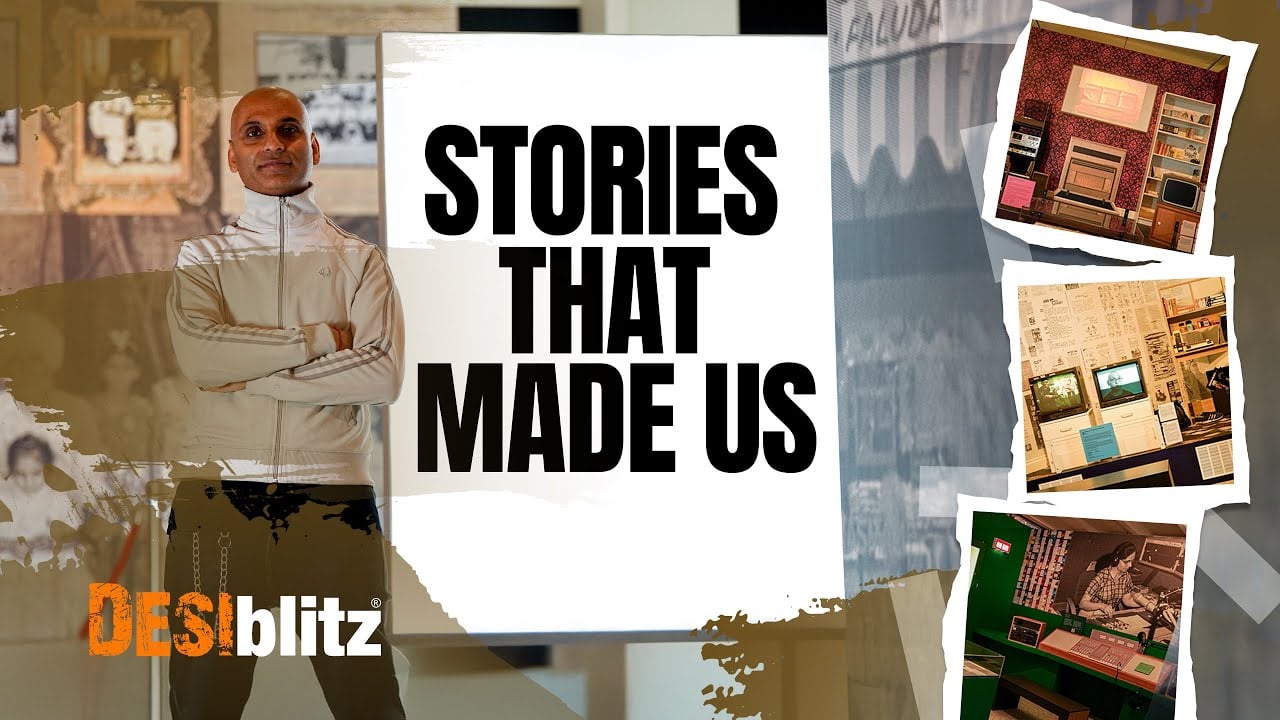
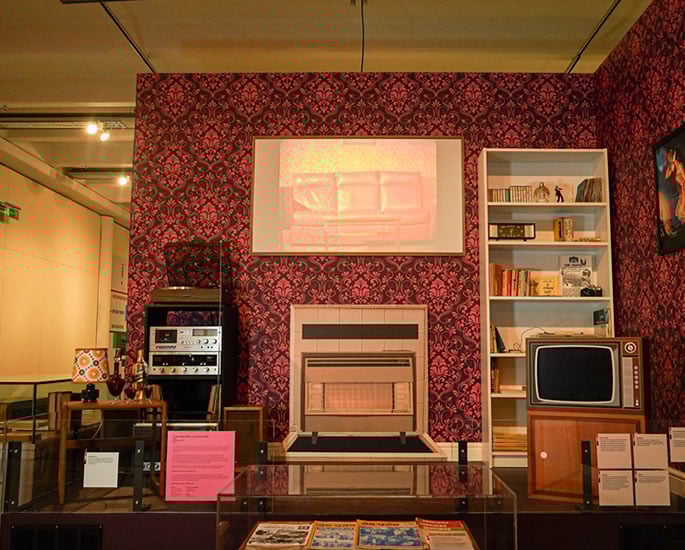
The exhibition invites visitors to explore four immersive rooms, recreating real scenes from the Virk family through the decades, using vinyl records, clothing, personal papers, posters, magazines, cassettes, radio broadcasts, objects, oral histories and specially commissioned films.
This includes the 1970s living room where Hardish’s father, Harbhajan Singh Virk, helped organise anti-racist marches and workers’ rights campaigns.
Hardish said: “This is my family’s story, but it’s also a conversation starter.
“We are keen to hear from those who visit the exhibition and for visitors to take what they have learnt from the exhibition into their homes and communities.
“We want communities to celebrate multicultural Britain whilst challenging divisive language wherever it appears.”
Visitors to the exhibition end their journey by leaving a handwritten memory or reflection.
These contributions will support future evaluation. And with permission, some may be used to develop the project after the exhibition closes in May 2026.
The wider story sits at the heart of the exhibition.
Using the Virk family as an entry point, the project shows how migration, resilience and activism have shaped modern Britain, tracing cultural influence through art, politics and everyday life.
A 425-year pictorial timeline wraps the gallery walls, charting the movement from colonial rule to Commonwealth migration and the present day.
It shows how South Asian communities adapted to Britain while reshaping its culture and civic life.
The project’s four rooms echo that narrative.
It is the blueprint for the wider ambition of a living museum of South Asian stories in Coventry, where one in five residents identifies as Asian or Asian British, nearly double the national average.
It features:
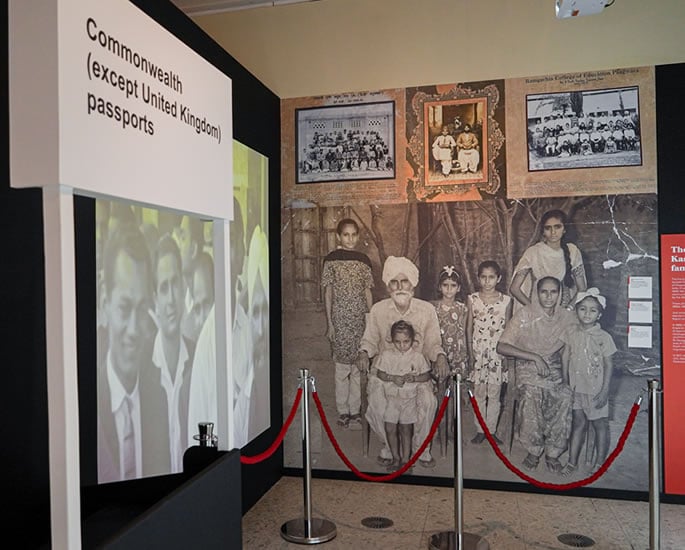
- Passport Control (1968) – a reconstruction of the Virks’ arrival in Britain, surrounded by first-hand oral histories, archival footage and newspaper headlines echoing debates still heard today.
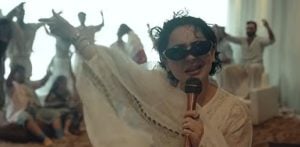
- Living Room (1970s) – a recreation of the Coventry home where activists met to organise anti racism marches. It includes one of two new film installations by Manjinder Virk (Riverbird Films), starring Bally Gill.
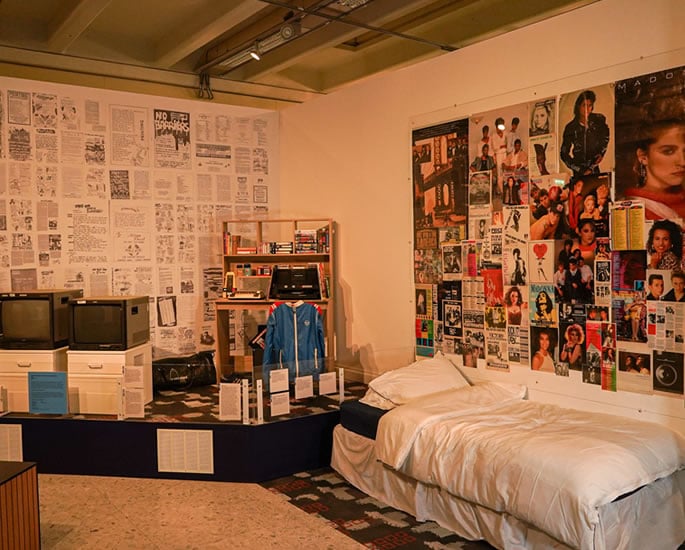
- Bedroom (1980s) – a teenager’s room exploring British South Asian identity through posters, books, music and a documentary film mixing new interviews with original VHS footage.
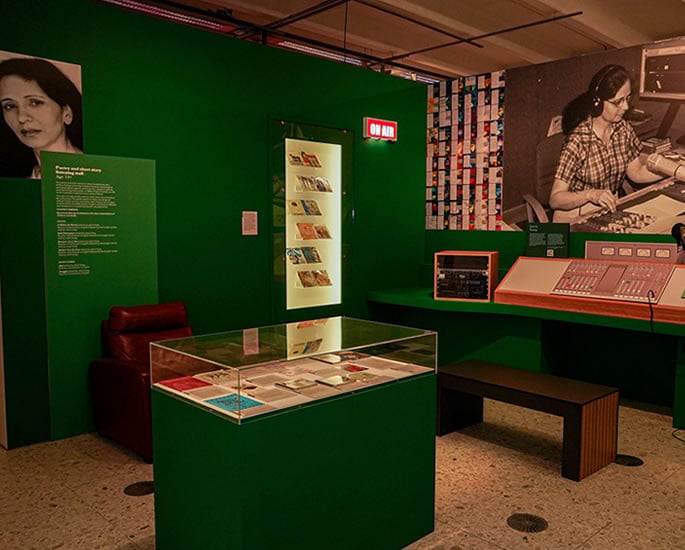
- Radio Studio (1990s – 2010) – celebrating the work of Hardish’s mother, Jasvir Kang, poet, author and radio broadcaster, whose groundbreaking work spoke about the rights and struggles of South Asian women.
Hardish’s Stories That Made Us archive, combined with his father’s original writings, political papers and photographs in Coventry Archives’ Virk Collection, is one of the largest and most significant South Asian cultural collections outside London.
Manjinder Virk, Hardish’s sister, contributed to the exhibition through her personalised filmmaking. She started this creative activity by following her mother around with a basic camera to document life at home.
Manjinder is keen for the exhibition to continue by building on the project’s foundation, saying:
“For me to contribute to the South Asian Asian stories, especially in a powerful way where you’re looking at their strength and representation as opposed to being victimised or to look at them through the lens of power, is really important.
“Because the South Asian communities have contributed so much, and I owe a lot of my own storytelling to looking at the impact of our communities and how they have shaped society for the better.
“But I do feel like there are a lot of stories that are not heard, and I feel that we should continue to nurture the past and the present and the future voices. “
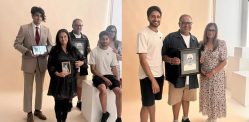
The exhibition is supported by a major engagement programme and a South Asian Cultural Ambassadors Scheme, whose oral histories feature in the exhibition.
Shaniece Martin, who leads the scheme, said: “The experiences we’re sharing from the 60s, 70s and 80s feel painfully relevant again today.
“But when you hear someone’s real story, it becomes much harder to repeat stereotypes.
“We want people from across the South Asian diaspora – including Kenya, Uganda and beyond – to see themselves here and add their stories to the archive for future generations.”
Marguerite Nugent, Cultural Director at Culture Coventry Trust, which operates the Herbert Art Gallery & Museum, added:
“The power of this exhibition is that all visitors, regardless of their backgrounds, will find so many unexpected overlaps with their own lives, as I did when seeing it for the first time.
“It has so much potential to encourage connection and togetherness, and we are excited to play a part in sharing it at a crucial time.”
Haridsh is committed to evolving the exhibition as a major way to document histories in a unique, engaging and live manner, saying:
“I don’t want to do a static exhibition. It has to be theatrical, dynamic, and it has to be exciting.
If you feel excited. Then the story will come thruogh more effectively.”
The exhibition sets out to document the past, but its aim reaches further.
It asks visitors to reflect on the present climate and consider how personal histories can counter division, whilst focusing on the values that shaped the Virk family story and continue to shape Britain today.
Stories That Made Us – Roots, Resilience, Representation is made possible with The National Lottery Heritage Fund, thanks to National Lottery players.
For more information about the exhibition, visit the Herbert Art Gallery & Museum website.
Watch DESIblitz’s Coverage of the Exhibition