

















































"This is pure sensationalism."
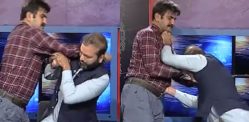
A physical altercation between two Pakistani TikTokers on the popular 21 MM Show has ignited widespread debate about live television ethics and content responsibility.
21 MM Show, previously hosted by Mathira, is currently anchored by Younas Khan, whose recent episodes have repeatedly drawn controversy.
Only days before this incident, Younas Khan was trending online after a clip featuring comedian Wali Sheikh sparked public backlash.
In that earlier clip, Sheikh openly expressed discomfort, later describing the experience as “on-air humiliation” that left him visibly disappointed.
The latest controversy involves Pakistani TikTokers Alia Sattar and Asiel Lawrence, who were invited as guests on the programme.
Both influencers have collaborated professionally in the past, making the confrontation more surprising for viewers familiar with their public dynamic.
According to reports, tensions escalated following a disagreement related to on-air conduct and performance decisions.
Asiel Lawrence allegedly accused Alia Sattar of preventing her song from being played during the show segment.
Alia Sattar, on the other hand, reportedly objected to what she considered inappropriate behaviour by Asiel Lawrence during the broadcast.
The disagreement intensified, culminating in a physical scuffle that was captured on video.
In the circulating footage, Alia Sattar can be seen pulling Asiel Lawrence’s hair as the argument spirals out of control.
She also removed her shoe and attempted to hit her with it.
Senior host Uzma Khan intervened promptly, stepping in to separate the two and de-escalate the confrontation.
Clips of the altercation were shared widely, with many viewers expressing shock over what they described as unacceptable behaviour.
Several social media users accused the programme of deliberately encouraging chaos, calling the incident “scripted drama” designed for attention.
Others questioned the editorial standards of the show, arguing that live television should not enable physical confrontations for ratings.
One viewer commented: “This is pure sensationalism.”
The backlash has reignited concerns about whether confrontational formats are being normalised to maintain online engagement.
Critics argue that the repeated controversies surrounding the show suggest a troubling shift away from professionalism and meaningful discourse.
The programme’s recent trajectory has also raised questions about the responsibilities of anchors in managing volatile situations.
Younas Khan’s tenure has come under scrutiny, particularly as multiple viral moments have emerged.
Many viewers feel that internet fame alone should not determine suitability for live broadcast environments.
For now, the viral confrontation has left audiences questioning whether shock value is overtaking substance in live television programming.