
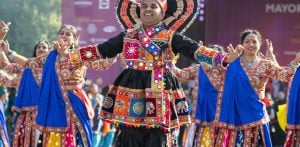















































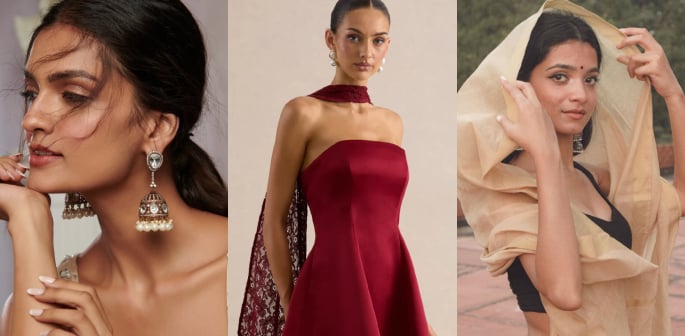
"A dupatta carries generations of craftsmanship and heritage."
South Asian fashion cultural appropriation has become a growing conversation as traditional garments, jewellery, and designs gain popularity across global fashion spaces.
From dupattas appearing as fashion accessories to jhumkas being worn on international runways, Desi styles are reaching wider audiences than ever before.
For many South Asians, this visibility can be a positive celebration of heritage and creativity.
However, concerns arise when traditional pieces are separated from their cultural meanings and histories, especially in Western fashion.
The debate focuses on whether these traditions are being appreciated with understanding and respect.
The Cultural Significance of the Dupatta
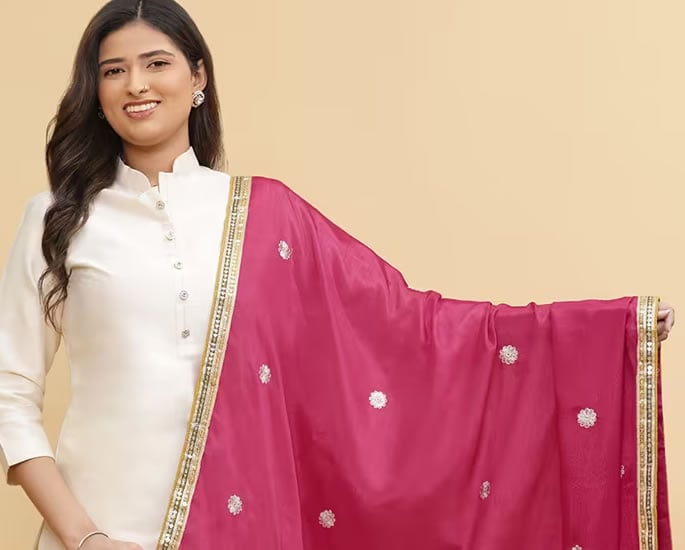
The dupatta is a traditional South Asian garment that represents heritage, identity, and craftsmanship.
Worn throughout India, Pakistan, Bangladesh, and other parts of South Asia, it carries different meanings among communities.
For some, it represents modesty and tradition, while for others, it reflects creativity and cultural pride.
Often paired with outfits such as the salwar kameez, lehenga, and anarkali, the dupatta is commonly worn during weddings and celebrations.
However, it is more than a fashion accessory.
Its embroidery, fabrics and designs showcase generations of textile craftsmanship, with many techniques passed down through families and artisans.
Regional styles reflect different histories and traditions.
This is why many South Asians believe the dupatta should not be reduced to a simple trend.
Although South Asian textiles have long been admired globally, some argue their cultural significance is often overlooked when traditional garments enter Western fashion spaces.
Why Jhumkas Are More Than Jewellery
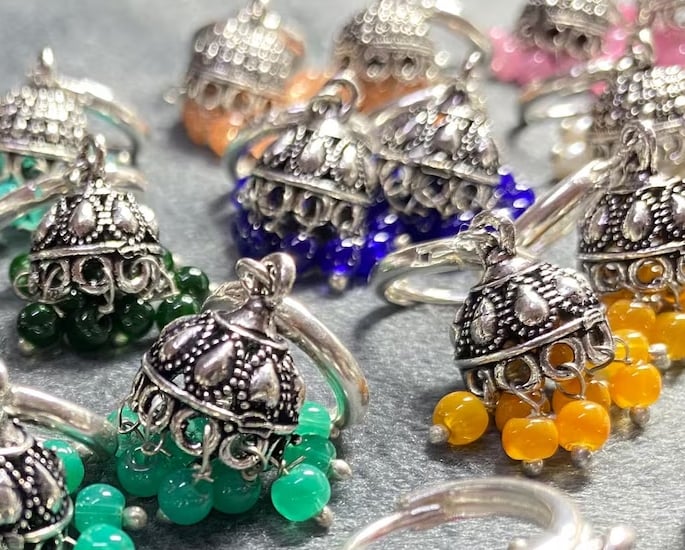
Jhumkas are another example of South Asian fashion gaining international attention.
The traditional bell-shaped earrings have been part of South Asian jewellery traditions for centuries.
Their designs vary across regions, with different communities creating unique styles.
For many people, jewellery carries emotional value beyond its appearance.
Pieces may be gifted during significant life events or passed between generations.
The craftsmanship behind jhumkas also reflects skilled jewellery-making traditions.
Many artisans continue using techniques developed over decades.
As jhumkas appear more frequently in Western fashion, discussions have emerged around how these pieces are represented.
Some argue that describing them only as trendy accessories removes their cultural significance.
Others believe fashion naturally evolves when cultures interact.
The debate therefore focuses on whether global popularity can exist alongside proper acknowledgement.
When Does Appreciation Become Appropriation?
Cultural exchange has always influenced fashion.
Trade, migration, and global connections have allowed clothing traditions to travel between communities.
Many designers argue that inspiration from different cultures creates creativity and encourages connection.
However, cultural appropriation becomes a concern when cultural elements are adopted without understanding.
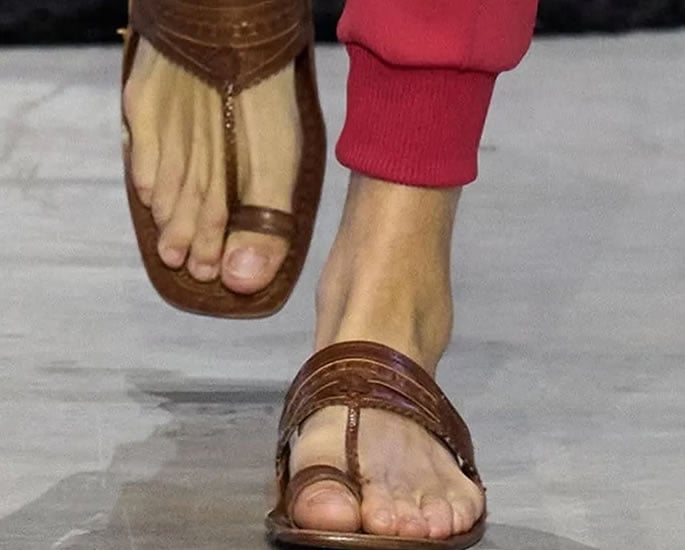
One example came in June 2025 when Prada came under fire for its Spring/Summer 2026 Men’s Collection, which featured footwear that bore a striking resemblance to India’s iconic Kolhapuri chappals.
However, the luxury brand made no mention of its Indian roots.
At the time, footwear designer Aprajita Toor expressed frustration at the lack of cultural recognition:
“It’s encouraging to see Indian designs like the Kolhapuri enter the global fashion dialogue, but it’s equally important that their origins are honoured.
“When luxury brands reference traditional crafts without crediting the culture or the artisans behind them, it’s not homage, it’s an oversight.
“These aren’t just trends; they’re legacies. And the legacy belongs to the people who’ve kept it alive.
“If the world is watching now, let it also listen. Recognition without credit is not a celebration, it’s appropriation.
“The story deserves to be told fully, with our craftsmen at the centre of it.”
The widespread backlash led Prada to announce a limited-edition footwear line named ‘Prada Made in India – Inspired by Kolhapuri Chappals’.
The backlash has contributed to wider discussions about representation.
True appreciation involves learning about the history behind cultural pieces.
It also involves recognising the communities that continue preserving these traditions.
Simran said: “It is a way of expressing who we are, where we come from and how we want to represent our culture today.”
When Traditional Clothing Becomes a Trend

The rise of social media has accelerated the global popularity of South Asian fashion in Western spaces.
Platforms such as Instagram and TikTok have introduced millions of users to traditional garments and styling.
This has created opportunities for South Asian designers and creators to showcase their work.
However, it has also created debates around cultural ownership.
One example involved fashion brands whitewashing brown aesthetics by rebranding dupattas as “Scandinavian scarves”.
Many South Asian users criticised the term, arguing it removed the garment’s cultural background.
Supporters viewed the trend as a form of fashion inspiration.
Critics argued that changing the name ignored the communities that had worn the garment for generations.
Fashion student Sara said: “A dupatta carries generations of craftsmanship and heritage.
“When Western brands strip its name away, it’s extremely disappointing.”
The disagreement reflects a wider issue within fashion.
Traditional styles often become popular internationally after being separated from their original context.
For many South Asians, recognition matters because clothing can represent family histories and cultural identity.
Why Representation Matters
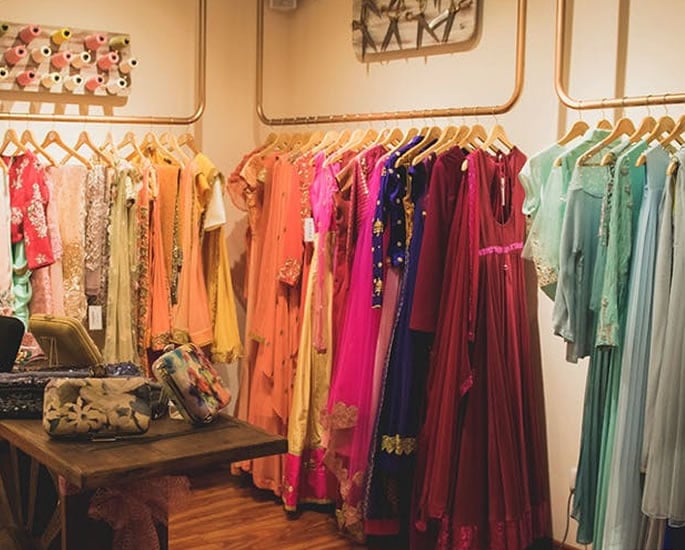
For younger South Asians, fashion is a powerful way to express identity and heritage.
Many British South Asians grow up navigating multiple cultures, with traditional clothing often reserved for weddings and family celebrations.
However, social media has transformed how younger generations engage with Desi fashion.
Creators are blending dupattas, jhumkas and traditional garments with contemporary styles, showing that cultural clothing can remain relevant in modern spaces.
This visibility helps challenge stereotypes that South Asian fashion belongs only to the past.
By understanding the history and craftsmanship behind these garments, audiences can appreciate them beyond their appearance.
Ultimately, South Asian fashion occupies a unique place within Western spaces.
Its growing visibility has helped bring traditional garments and accessories to wider audiences, while also prompting conversations about culture, identity and appropriation.
As fashion continues to evolve across borders, these discussions are likely to remain part of its wider story.