

















































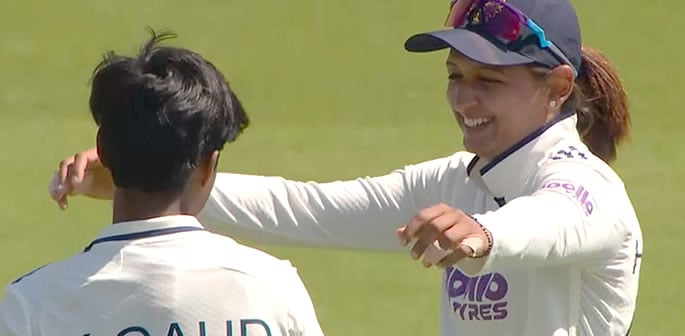
"We've enjoyed Test cricket but you have to have it constantly"
Can women’s Test cricket survive when players rarely get the chance to play it?
England’s 270-run defeat to India at Lord’s reignited one of the biggest debates in the sport.
The historic match drew record crowds and showcased the appeal of red-ball cricket, but it also highlighted the challenges of preparing for a format that appears so infrequently.
Coaches, players and administrators continue to back the future of women’s Tests, yet many acknowledge the current calendar makes sustained improvement difficult.
As short-format competitions drive investment and audience growth, cricket faces an increasingly important question: where does Test cricket fit in the women’s game?
Why are Women’s Test Matches Rare?
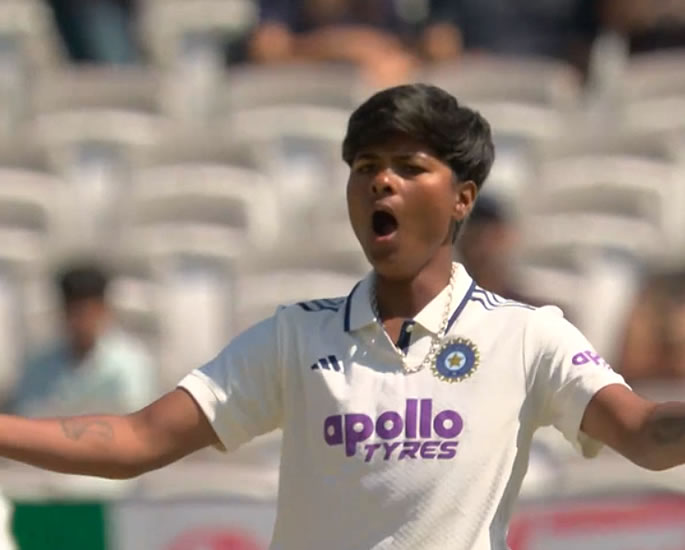
England’s Test against India was historic long before the first ball was bowled.
It was the first women’s Test at Lord’s, arriving 150 years after the venue staged its first men’s Test, while a record crowd of 37,846 attended across the four days.
The occasion also recognised the women who helped build the game. Former England players from the amateur era rang the Lord’s bell before play, marking their contribution to the sport’s progress.
Yet despite its significance, the fixture also exposed a long-standing issue.
Women’s Test cricket remains exceptionally rare, with most leading nations focusing their schedules on white-ball cricket.
This match was squeezed between the Women’s T20 World Cup and The Hundred, leaving England with only a short window to switch from the demands of T20 cricket to the longer format.
Several key players had been rested because of the World Cup, while those selected had only two or three days to prepare with the red ball.
The England and Wales Cricket Board (ECB) said staging the match followed a recommendation from the Independent Commission for Equity in Cricket (ICEC) report in 2023.
Unlike the Women’s Ashes, where Test cricket forms part of a multi-format series alongside one-day internationals and T20s, this standalone fixture lacked a wider competitive context beyond its historic importance.
The scarcity of matches is reflected in the international calendar.
There are currently only 10 women’s Tests scheduled in the Future Tours Programme through to April 2029, all involving England, Australia, India, South Africa or the West Indies.
By comparison, the men’s game will complete its next 10 Test matches before the end of October.
That imbalance continues to fuel questions about whether players can realistically develop the skills needed for Test cricket without playing it regularly.
Did England’s Defeat highlight the need for more Test Cricket?
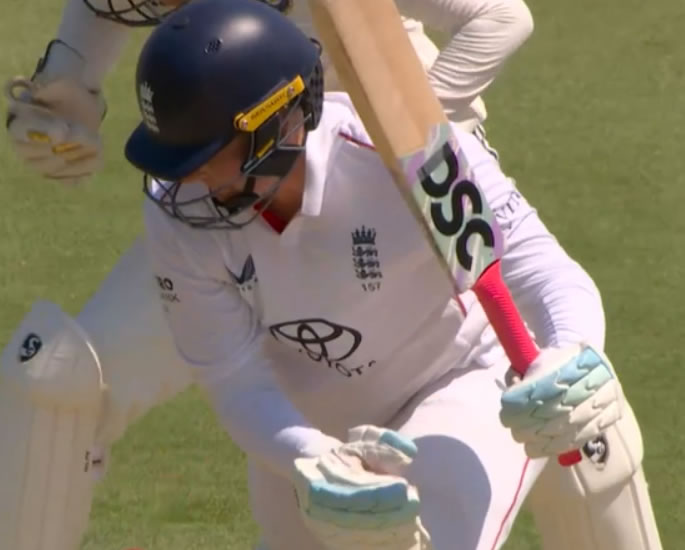
England’s performance suggested that preparation remains one of the biggest obstacles facing the women’s game.
The hosts were bowled out for 170 and 186, averaging just four runs per dismissal against deliveries on the stumps.
Their bowlers also struggled to maintain long spells, reflecting the demands of a schedule dominated by shorter formats.
India arrived better prepared. Having missed the Women’s T20 World Cup semi-finals, they had an additional week to focus on the Test.
More importantly, India’s domestic structure already includes women’s red-ball cricket, giving players greater exposure to longer matches, even though several of the standout performers at Lord’s had not featured in those competitions this year.
England head coach Charlotte Edwards believes regular exposure to red-ball cricket is essential if standards are to improve.
She told BBC Test Match Special: “I think there’s a place for it [women’s Tests] but maybe it has to be part of a multi-series or a bilateral series. That’s something to look at moving forward.
“We’ve enjoyed Test cricket but you have to have it constantly; you can’t have it every 18 months. I’m a huge advocate for it; there’s so much you can learn from it.
“I think there’s so much that can be learned from three- and four-day cricket; it only helps other aspects of the game.
“I think we need to see it in Tier One cricket, getting that exposure for younger players, older players, it’s so important.”
Her comments reflect a wider belief across the sport that domestic red-ball competitions are just as important as increasing the number of international Tests.
Without that pathway, players are often expected to adapt to a format they have little opportunity to practise.
England are currently scheduled to play another Test in the Caribbean in April 2027.
However, Australia’s planned women’s Test against West Indies was removed from the calendar earlier in 2026, highlighting how financial pressures continue to influence scheduling.
The ECB said it is “an advocate of including Test cricket to create multi-format series where possible”.
Is Short-Format Cricket replacing Women’s Tests?
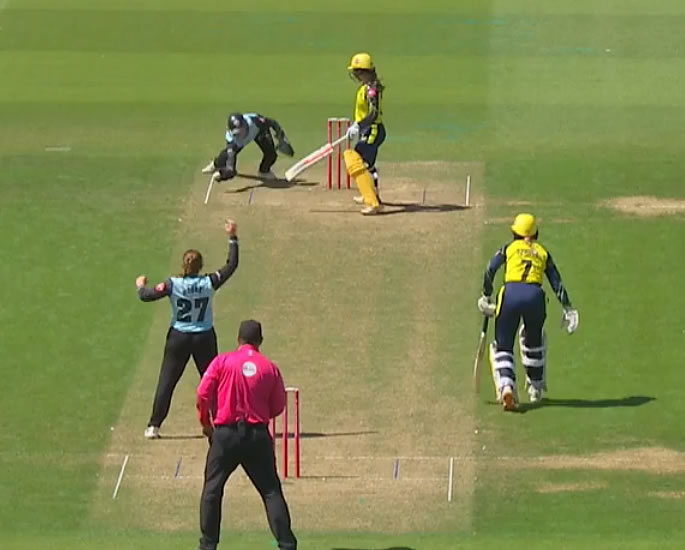
The rapid growth of women’s short-format cricket has transformed the sport, but it has also intensified debate about the future of the longer format.
The Hundred has played a major role in expanding audiences since launching in 2021.
Strong attendances, broadcast exposure and commercial investment have helped raise the profile of women’s cricket, making short-format competitions increasingly important to the sport’s financial health.
Those commercial realities mean many cricket boards face difficult decisions.
Hosting a women’s Test is significantly more expensive than staging limited-overs matches, particularly for countries outside the game’s wealthiest nations.
The Lord’s Test also raised questions about how women’s cricket is prioritised.
On the third day of the match, shortly after Heather Knight’s retirement dominated headlines, the ECB announced that men’s head coach Brendon McCullum had been sacked as Test coach.
Former England spinner Alex Hartley questioned the timing:
“I just think it’s a bit of a shame.
“The ECB say ‘we treat everything equally’ but it’s taken too long for them to play here.
“Fifty years later, we’re playing in our first Test match and the headlines are completely taken away from it now.”
“This game is done in the fact that England aren’t going to win, but there’s a Test match to save, it’s an historic moment within itself.
“There’s a [men’s] ODI series starting Tuesday, I completely understand that they want to get the news out before then but I’m sorry, if you say that you respect the game and you want the game to improve then don’t just pay it lip service, actually prove it and say ‘we’ll hang on to this news until Tuesday morning’ or seven o’clock on Monday night.”
ECB chief executive Richard Gould told the BBC there had been discussions about the timing of the announcement and pointed to England’s “extraordinary” Women’s T20 World Cup campaign, adding that “the women’s game in England is stronger than it’s ever been”.
Cricket Australia’s chief executive, Todd Greenberg, believes the future may involve fewer women’s Tests, but with greater significance:
“My opinion is that you’ll see fewer countries playing Test cricket, but the quality and the jeopardy of those Test matches will be more.
“We have to get comfortable with that. Women’s cricket has got the greatest opportunity to transform the game and to bring new people in to watch it – we saw that recently with the World Cup.
“I’d be less focused on them playing Test cricket and for them to play the format that generates the most eyeballs, the most commercial returns so we can put that back into the game.”
England’s players now move straight into The Hundred, leaving little time to reflect on the defeat at Lord’s.
That immediate switch back to white-ball cricket reinforces the reality facing the women’s game, where commercial success and player development do not always point in the same direction.
Women’s Test cricket has demonstrated that it can attract supporters, generate memorable occasions and showcase a different side of the sport.
However, the Lord’s match also showed that isolated fixtures alone are unlikely to strengthen the format.
If governing bodies want women’s Tests to remain a meaningful part of international cricket, players will need more regular opportunities to develop the skills the format demands.
Without a more consistent pathway, every women’s Test risks prompting the same debate instead of demonstrating how far the game has progressed.