


















































"a nice, light, refreshing food that can really help with hydration."
During the summer months, foods that boost hydration, provide essential nutrients, and remain easy to digest are essential.
Watermelon, cucumber, tomatoes, berries, and yoghurt are among the foods that can help support hydration while contributing important vitamins and minerals.
Although drinking enough fluids remains the most important way to stay hydrated, food can also contribute towards daily water intake.
Many fruits and vegetables contain a high percentage of water, making them useful additions to meals and snacks when temperatures rise.
Hot weather can also affect appetite, with many people finding heavier meals less appealing.
It is recommended to choose lighter foods that are refreshing, easy to eat, and still provide the nutrients needed to maintain a balanced diet.
Foods that are suitable during a heatwave often combine three key qualities: high water content, essential nutrients such as potassium and vitamin C, and a texture or preparation method that makes them easier to enjoy in warmer conditions.
From hydrating fruits to cooling snacks and vegetables, these are the foods to include in your diet when the weather is warm.
Watermelon
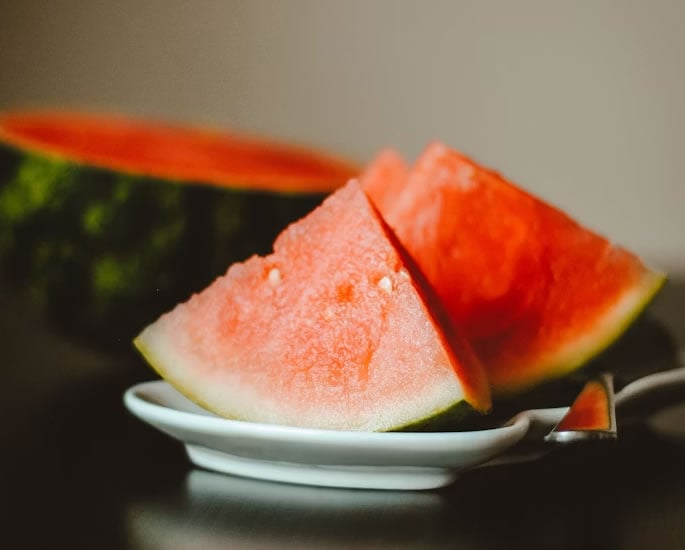
Watermelon is one of the most popular foods to eat because it has a very high water content.
The fruit contains more than 90% water, which means it can contribute towards fluid intake when included as part of a balanced diet.
It also provides nutrients including vitamin C, vitamin A, and potassium.
Registered dietitian Sejal Jacob explains that watermelon is a good source of “vitamin C and has some vitamin A in it too, and also encompasses some electrolytes such as potassium.”
Potassium is an electrolyte that plays an important role in normal muscle function and maintaining fluid balance in the body.
Watermelon is also easy to eat when appetite is reduced because of its light texture and naturally sweet flavour.
It can be enjoyed chilled on its own, added to fruit salads, or combined with Greek yoghurt and seeds for a more filling snack.
Cucumber
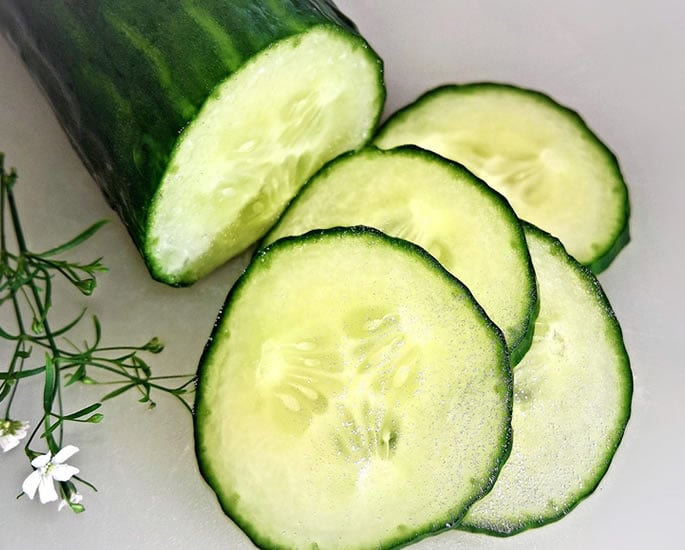
Cucumber is one of the most hydrating foods to include during the warmer months because it contains a very high proportion of water.
The vegetable contains approximately 96% water, making it a refreshing option when temperatures increase.
Alongside its water content, cucumber provides nutrients including vitamin K and potassium.
Its crisp texture also makes it appealing when hot weather reduces appetite for heavier foods.
Cucumber can be sliced into cold water with mint, added to wraps and salads, or blended into chilled soups such as gazpacho.
It can also be paired with yoghurt and herbs to create refreshing dishes suitable for warmer days.
Tomatoes
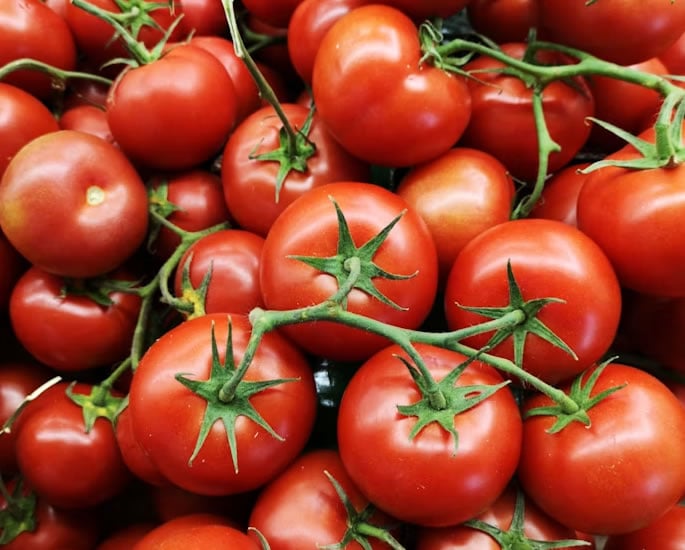
Tomatoes are a versatile summer food that can help support hydration while adding flavour and nutrients to meals.
Jacob describes tomatoes as “very water-rich” and says they provide “a nice, light, refreshing food that can really help with hydration.”
They contain lycopene, an antioxidant compound that gives tomatoes their red colour.
Tomatoes also provide nutrients including vitamin C, vitamin A, vitamin K, potassium, folate, and fibre.
Their combination of water content and nutrients makes them a useful ingredient when creating lighter meals.
Cherry tomatoes can be eaten as a snack, while larger varieties can be added to salads, sandwiches, and chilled dishes.
They also work well alongside other hydrating ingredients such as cucumber and lettuce.
Berries
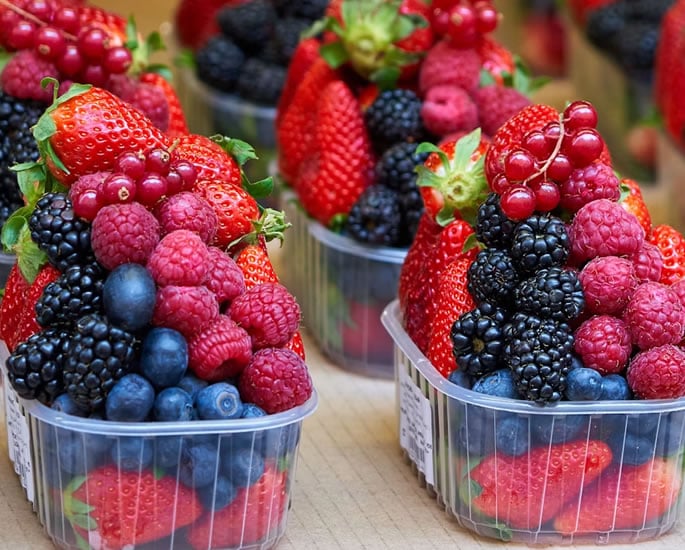
Berries are a nutrient-rich option that can help contribute towards hydration during warmer weather.
Strawberries, raspberries, blueberries, and blackberries all contain water alongside important nutrients.
Packed with antioxidants, their vitamin C content and fibre make them a useful addition to a balanced diet, while their naturally sweet flavour can make lighter meals more enjoyable.
Berries can be eaten fresh, stirred into yoghurt, or added to overnight oats.
They can also be frozen and used as a cooling snack or added to drinks as a natural alternative to ice cubes.
Greek Yoghurt
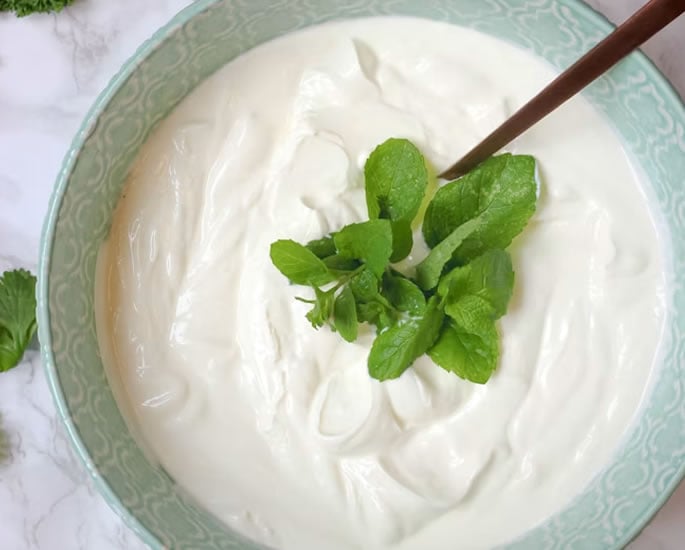
Greek yoghurt can be a useful food choice during hot weather because it provides hydration alongside protein and other nutrients.
Jacob calls Greek yoghurt “very water-rich”, making it a suitable option when people are looking for lighter foods.
Unlike many heavier meals, yoghurt can often feel easier to eat when appetite decreases during hot weather.
Greek yoghurt also provides protein, which is important for maintaining a balanced diet.
Choosing varieties containing live bacteria can provide probiotic cultures, which are associated with supporting gut health.
It can be served with hydrating fruits such as watermelon, grapes, and berries.
Adding seeds can also create a more filling snack or breakfast option while keeping the meal light and refreshing.
Citrus Fruits
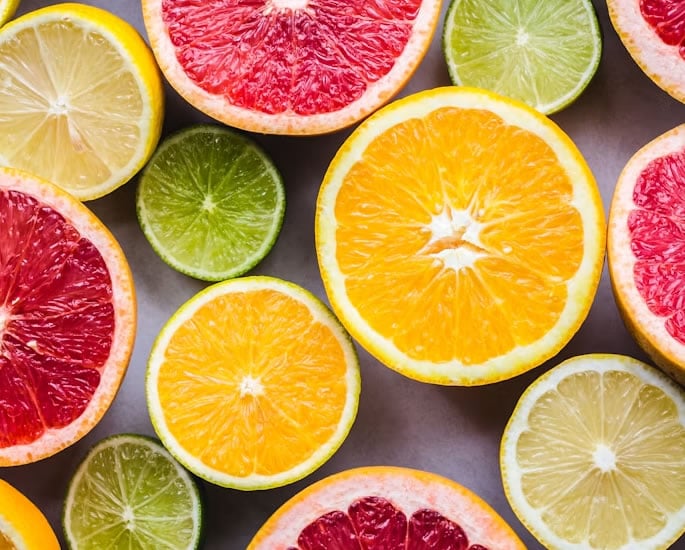
Oranges, lemons, limes and grapefruits are useful additions to a summer diet because they provide water, flavour, and essential nutrients.
Citrus fruits are high in vitamin C, supporting normal immune system function.
Their water content can contribute towards overall fluid intake.
Eating citrus fruits whole also provides fibre, which is reduced when fruit is consumed only as juice.
Their refreshing flavour can make meals and drinks more appealing when hot weather affects appetite.
Oranges can be eaten as a snack, while lemon and lime can be added to water, salads, dressings, or chilled dishes.
However, citrus fruits should be viewed as a complement to regular fluid intake rather than a replacement for drinking enough water.
Courgette
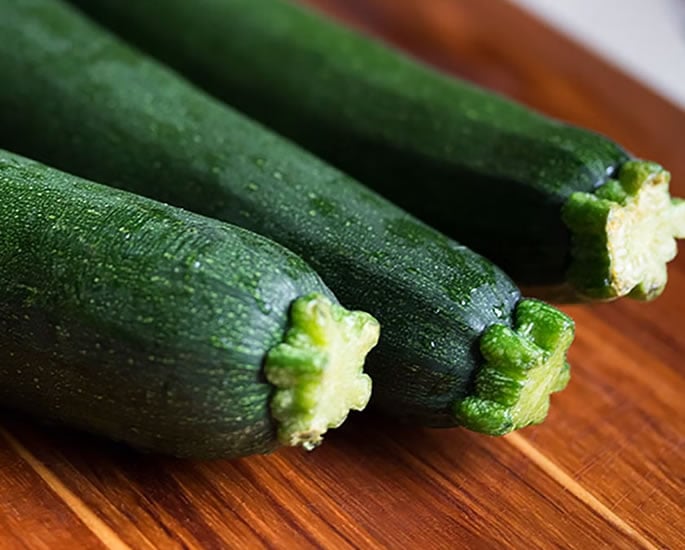
Courgette is a water-rich vegetable that can help make meals lighter during warmer weather.
The vegetable is made up of around 95% water, although the exact amount can vary depending on variety and preparation.
Courgettes also provide nutrients including vitamin C, B vitamins, and potassium.
Potassium is an important mineral that contributes to normal muscle function and the maintenance of normal blood pressure.
Registered dietitian Kirsty Wood recommends using courgette in refreshing summer meals, including adding it raw to salads or layering it into poke bowls.
Its mild flavour means it can easily be combined with other heatwave-friendly foods such as tomatoes, lettuce, and cucumber.
Courgette can also be grilled, roasted, or spiralised to create lighter alternatives to heavier dishes.
Lettuce
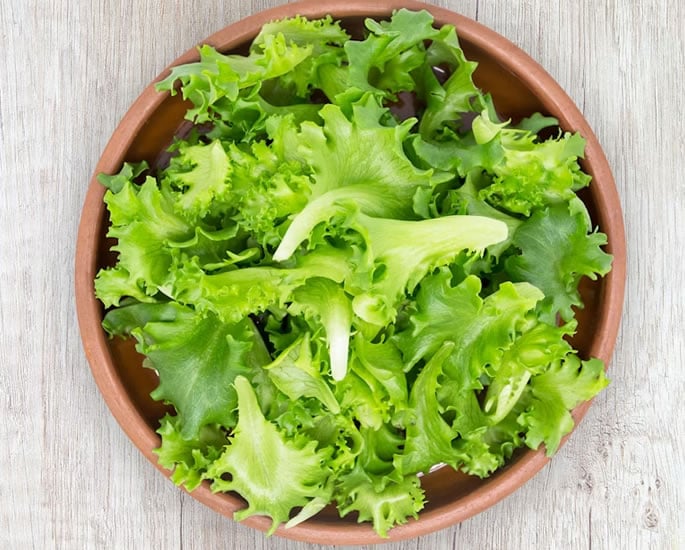
Lettuce is a leafy vegetable that can support hydration while adding texture and nutrients to meals.
Sejal Jacob highlights lettuce for its “really good water content” and its vitamins and electrolytes, including potassium.
Because lettuce contains a high proportion of water, it can contribute towards fluid intake when included as part of a varied diet.
It also provides fibre, which supports normal digestive function.
Romaine lettuce is often considered a more nutrient-dense variety because it contains higher levels of some vitamins and minerals compared with lighter varieties.
Lettuce works well as the base of salads, wraps, and summer meals.
Combining it with other water-rich ingredients such as tomatoes, cucumber, and citrus fruits can create a refreshing and balanced dish.
Grapes

Grapes are a convenient food choice during the summer because they provide hydration in an easy-to-eat format.
Jacob says grapes are another “very water-rich” option and are “a great snack between meals”.
Their high water content makes them particularly suitable when people want something refreshing without preparing a full meal.
Grapes also contain natural carbohydrates, which provide a source of energy.
They are easy to portion, transport, and store, making them a practical snack during warmer days.
Eating grapes chilled can make them even more refreshing.
They can also be added to fruit salads, mixed into yoghurt, or frozen to create a naturally cooling snack.
Homemade Ice Lollies

Homemade ice lollies can provide a cooling way to enjoy hydrating ingredients during the summer.
Shop-bought ones are fine but they can vary widely in their nutritional value. Homemade versions allow greater control over the ingredients used.
Blending fruit with ingredients such as coconut water or yoghurt before freezing can create a refreshing snack.
Using fruit can also provide nutrients such as vitamin C and naturally occurring carbohydrates.
Homemade ice lollies can be adapted depending on personal preference, with combinations including berries, citrus fruits, watermelon, or yoghurt-based mixtures.
They can be particularly appealing when appetite is reduced but a cool and easy-to-consume snack is preferred.
The best foods to eat during the summer are those that help support hydration while providing the nutrients needed for a balanced diet.
Water-rich fruits, vegetables, and dairy products can contribute towards daily fluid intake while offering vitamins, minerals, fibre, and energy.
Foods such as watermelon, cucumber, tomatoes, berries, and Greek yoghurt are simple options that can be incorporated into everyday meals and snacks.
However, hydrating foods should complement rather than replace drinking enough fluids.
During hot weather, combining regular water intake with refreshing, nutrient-rich foods can help support the body as temperatures rise.
Choosing lighter, water-rich foods can also make eating easier when heat affects appetite, helping people maintain a balanced diet throughout a heatwave.