

















































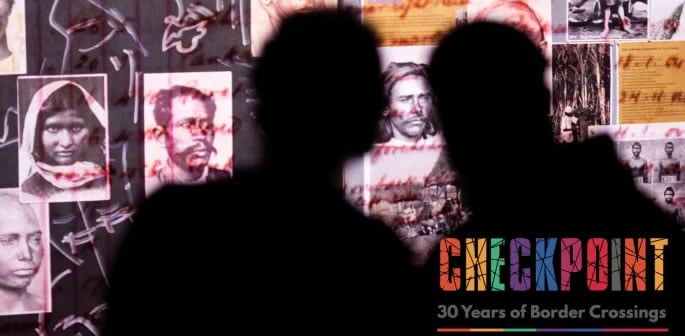
"It's about what happens when there aren't barriers."
For 30 years, Border Crossings has championed a simple idea.
Bringing together people from different cultures creates understanding rather than division.
Founded in 1995, Border Crossings is a London-based theatre company that develops intercultural productions, bringing artists and audiences from across the world together.
That philosophy is at the heart of Checkpoint: 30 Years of Border Crossings, a new book celebrating the theatre company’s three-decade journey.
Co-authored by Artistic Director Michael and Researcher Jasmin ‘Ofamo’oni, Checkpoint reflects on the partnerships and conversations that have shaped the company’s work across the globe.
Speaking exclusively to DESIblitz, the pair discussed the influence of culture and why migration and belonging remain central to Border Crossings’ mission.
How India Changed Everything

For Michael, the origins of Border Crossings can be traced back to a life-changing trip to India in the mid-1990s.
Working with acclaimed playwright Mahesh Dattani on a production of The Tempest transformed his understanding of theatre.
He recalled: “I’d never been outside the Western world before. I land in India and… the world is a bit different.”
Although he arrived believing Shakespeare was familiar territory, that quickly changed.
“Within minutes, it all meant something completely different.”
The three-month stay immersed him in Indian theatre and culture.
This highlighted that creative growth comes from embracing perspectives beyond one’s own.
He explained: “I realised that to grow as a human being, and therefore to help society and cultures grow, it was really necessary to open myself up to a much wider range of influences.”
One of his most treasured memories was spending time at a Bharatanatyam studio founded by dance pioneers Krishna Rao and Chandra Devi, where he met legendary dancer Ram Gopal.
Those experiences became the foundation of Border Crossings, shaping a company dedicated to intercultural collaboration.
Documenting Three Decades
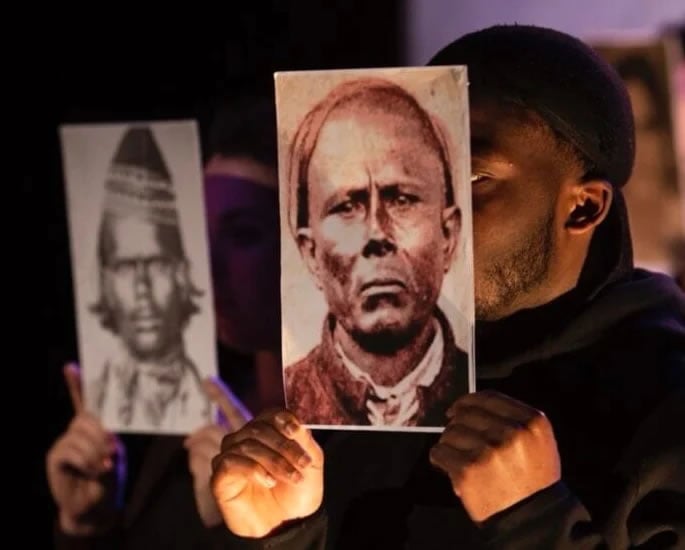
While Michael lived the company’s history, Jasmine was tasked with bringing it together on the page.
Her introduction to the archive was unforgettable:
“The first handover was a suitcase full of books, and that was just a tenth of what I was going to be working with.”
As she worked through decades of productions and research, she found the company’s story was connected by far more than geography.
Influenced by her Tongan and New Zealand heritage, Jasmine drew on the Pacific concept of va.
This emphasises relationships and collective care to better understand the values underpinning Border Crossings’ approach.
She said:
“It’s a story about people from different cultures learning to trust one another through making things.”
Rather than focusing solely on where productions took place, Jasmine identified recurring themes across the company’s work:
“Cross-cultural dialogue, language, relationship building and creative risk have been common threads throughout the entire book.”
She also praised Border Crossings’ ability to build lasting relationships with communities around the world, highlighting how collaborations that began in the 1990s continue to shape the company’s work today.
Why Borders Should Be Meeting Places
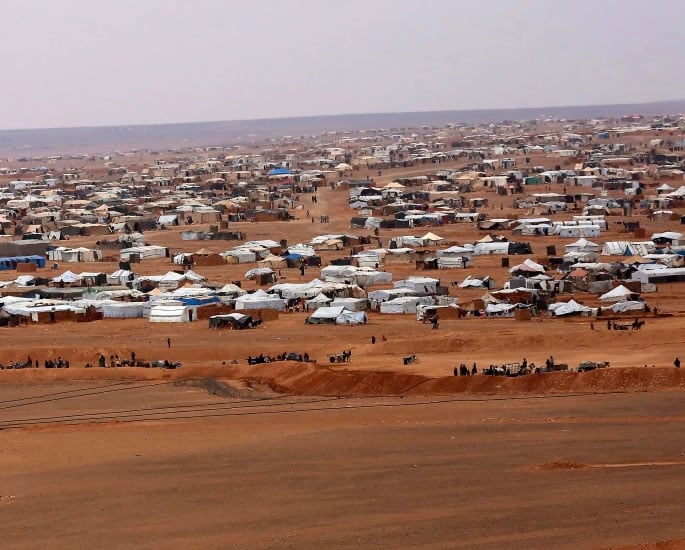
One of Checkpoint‘s central ideas is that borders should be viewed as meeting places rather than as points of separation.
For Michael, that has remained unchanged since the company was founded:
“It’s about what happens when there aren’t barriers. There are meeting places.”
He believes Border Crossings stands apart because it brings together people from vastly different cultural backgrounds:
“We’ll actively seek to take people whose cultural backgrounds are massively different from each other and just see what sparks fly when you bang their heads together.
“It’s where you get the drama. It’s politically important and socially important because that’s the only way we can work out how we’re going to live together.”
Jasmine saw the same principles emerge throughout her research.
She explained that Border Crossings has consistently created spaces where artists and audiences can engage with political, social and cultural issues together, adding:
“It’s a story about creating dialogue and learning through relationships.”
Migration and Belonging
As debates around migration continue across Britain and beyond, both authors believe the themes explored in Checkpoint have become even more relevant.
For Michael, the issue is also deeply personal.
His wife, originally from Mauritius, has lived in the UK for many years with a permanent right to remain, but uncertainty surrounding future immigration policies has brought those discussions much closer to home.
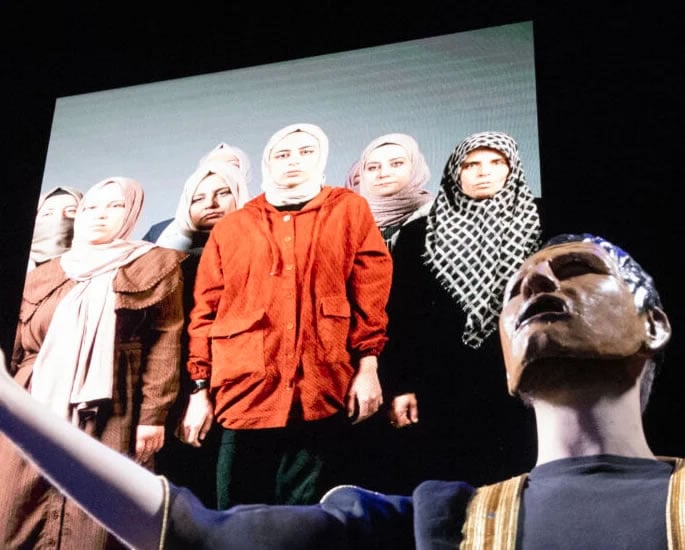
Meanwhile, Jasmine said seeing The Suppliants of Syria earlier in 2026 finally allowed her to experience in person everything she had spent months researching.
“That was the first time I was able to have an embodied experience of what Border Crossings is about.”
Although Michael and Jasmine came to Checkpoint from different perspectives, they arrived at the same conclusion.
Meaningful change begins when people are willing to listen to one another.
Thirty years after Border Crossings was founded, Checkpoint is more than a celebration of the company’s history.
It is a timely reminder that, in an increasingly divided world, the most powerful way to break down borders is through dialogue and a shared willingness to see the world through someone else’s eyes.