




















































“Anything that a girl does gets magnified to a million."
The conversation surrounding Grand Theft Auto VI has taken an unexpected turn.
Pakistani content creator Zana Verse is questioning the gender double standards that continue to shape women’s experiences in South Asian communities.
“Watching everyone’s reaction to GTA 6 is the reason why Pakistani girls get so mad,” Verse said in her video, highlighting what she describes as the unequal scrutiny placed on women compared to men.
She added: “The double standards in our culture is actually crazy.”
Her argument draws attention to a familiar contradiction.
Women can face criticism over their clothing, friendships and everyday decisions. However, similar conversations about men’s behaviour are not always met with the same intensity.
Verse questioned: “Why do we women get policed so much when boys have the open range to do anything?”
When women’s behaviour becomes everyone’s business
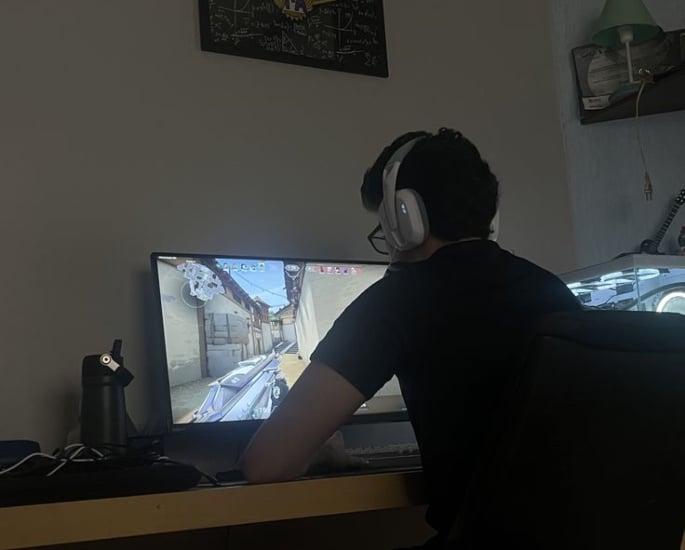
Comparing the reaction to GTA 6 with previous discussions about women’s clothing,
Verse questioned why a woman wearing a coat tied with a belt could attract so much attention. Meanwhile, a video game containing sexualised content did not appear to generate comparable criticism.
She asked: “Do you remember the whole discussion about a woman wearing a coat and tying it around with a belt?”
She also questioned why women might be expected to leave a room where men are playing the game, rather than the men being challenged over their own choices.
She said: “I guarantee there’ll be some girls that won’t be allowed to sit in the same room.”
For Verse, the issue is not simply about whether someone should play a video game. It is about the different standards women and men are expected to follow.
This highlights a wider issue in which women’s presence can become something that needs to be managed, even when they are not directly participating in the activity being criticised.
Why are men given more room to make mistakes?
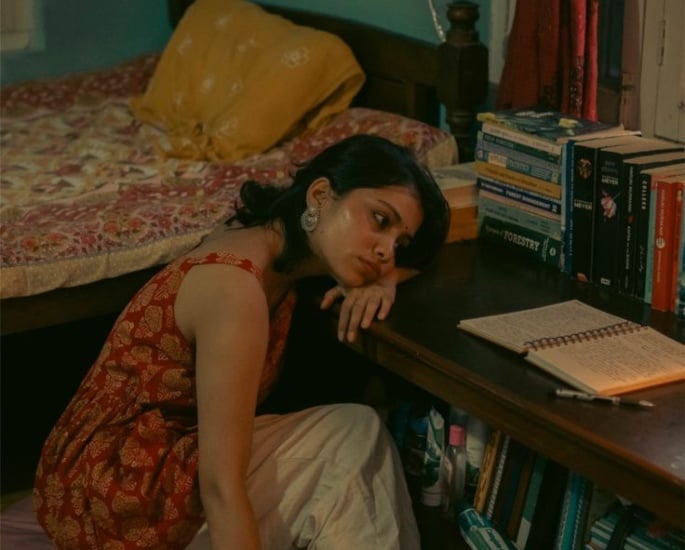
One of the most significant parts of Verse’s argument concerns how boys and girls are raised differently.
In some South Asian households, daughters can grow up with expectations surrounding modesty, reputation and family honour. Their clothing, friendships, relationships and independence can become subjects of scrutiny.
Sons, however, may be given greater freedom, with certain behaviours dismissed as ordinary parts of growing up.
Verse challenged this contradiction, explaining that restrictions placed on girls can extend to everyday activities. Meanwhile, boys are not necessarily held to the same expectations.
“Anything that a girl does gets magnified to a million.”
This raises an uncomfortable question: why is a woman’s behaviour so often treated as a reflection of her family? In contrast, a man’s behaviour is more readily treated as an individual choice.
When boys are excused because they are boys, but girls are expected to demonstrate restraint, responsibility for maintaining cultural respectability becomes disproportionately placed on women.
It also creates an environment where young women can feel they have to justify ordinary decisions that their male relatives are allowed to make without explanation.
The sexualisation of women is part of the conversation

GTA 6 has also brought questions about the sexualisation of women in entertainment into the discussion.
The game contains mature themes and sexual content. However, Verse’s wider argument is not simply about whether adults should be allowed to enjoy adult entertainment.
It is about the different reactions that can follow when men and women engage with the same cultural environment.
Women can be criticised for being visible, wearing certain clothes or simply being present in spaces where sexualised material exists.
At the same time, men’s engagement with that material may be treated as unremarkable.
Verse questioned why women are so often expected to take responsibility for the sexual content around them. On the contrary, the same standards are not applied to everyone.
This creates a contradiction in which women can be criticised for supposedly encouraging inappropriate behaviour, while men’s engagement with sexualised entertainment receives considerably less attention.
The conversation is therefore about more than a video game. It exposes how women’s behaviour can become a public discussion, even when men are involved in the same situations.
Why are women expected to speak up?
Another important part of Verse’s video was her frustration with how people respond when men and women are held accountable.
She said: “When it comes to policing women, why do men, women, everyone step forward? When it comes to policing men and boys, the women and the men are protecting them and like making excuses for them.”
Her observation points towards a wider culture of selective accountability.
Women can sometimes find themselves criticised by other women as well as men, particularly when their behaviour is perceived to challenge traditional expectations.
However, when similar scrutiny is directed towards men, their behaviour may be defended, minimised or dismissed.
Verse was particularly critical of the tendency to excuse boys’ actions rather than acknowledge that expectations should apply to them too.
“No, they have rules too.”
It is a reminder that accountability should not depend on someone’s gender. If communities are going to have conversations about behaviour, respect and responsibility, those conversations should involve everyone.
A wider conversation among younger South Asian women
What makes Verse’s video particularly interesting is how it uses a mainstream gaming conversation to highlight a much wider cultural frustration.
Social media has given younger South Asian women more opportunities to challenge expectations that previous generations may have found difficult to question publicly.
Conversations about double standards, family dynamics, gender roles and independence are increasingly being discussed through personal experiences and online commentary.
Verse also acknowledged that some people might dismiss her argument because GTA 6 is, after all, a video game.
However, she challenged the tendency to decide which issues deserve public attention and which do not.
“Sorry, but you can’t pick and choose when you want to make a big deal out of something.”
Not every South Asian household operates in the same way. Moreover, experiences vary across generations, communities and families.
Nevertheless, the frustration being expressed is worth taking seriously, particularly when young women recognise these patterns in their own lives.
Ultimately, this conversation is not about whether men should play GTA 6 or whether women should have different interests.
It is about questioning why women’s choices can become a matter of collective judgment, while men’s behaviour is so often defended or overlooked.
If expectations around respectability, responsibility and behaviour are going to matter, they should not become standards that only women are expected to uphold.