

















































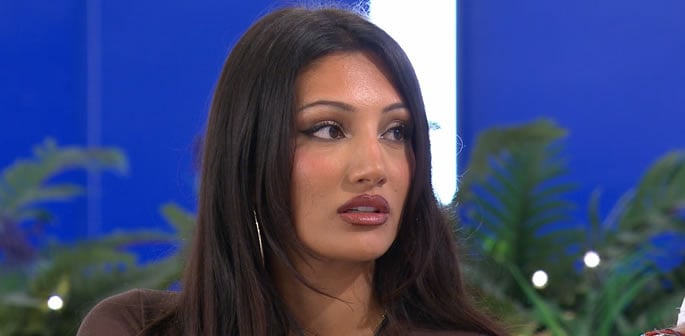
“She's punished for refusing to play small.”
South Asian women on series 13 of Love Island have sparked wider conversations about the double standards faced by women of colour in reality television.
Throughout this year’s series, moments involving contestants such as Jasmine, Priya and Aiden prompted debate over how confidence, confrontation and personality are perceived differently depending on a woman’s background.
Jasmine’s confrontation with Kavan during Casa Amor became a particular talking point across TikTok and X.
Many creators argued that the reaction to her behaviour revealed a wider pattern, where traits praised as confidence in white contestants were often criticised as aggression when displayed by a confident South Asian woman.
Following the conclusion of Love Island, these discussions suggested that the issue extended beyond individual moments in the villa.
Instead, they highlighted the cultural expectations placed on women of colour and how they are often judged by different standards on reality television.
How the Debate Began
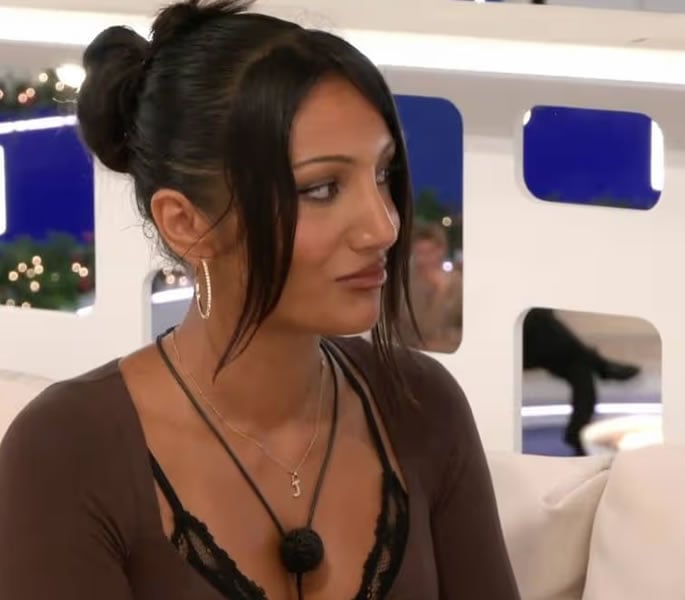
After the Casa Amor recoupling, Jasmine became the centre of online debate after confronting Kavan over his decision to recouple with her.
While some viewers criticised her reaction, others argued that the discussion quickly moved beyond the events in the villa and focused on Jasmine’s personality instead.
TikTok creator Madie said Jasmine was “punished for refusing to play small”, suggesting the backlash reflected wider expectations placed on women who display confidence and assertiveness.
The debate raised questions about whether South Asian women are often judged differently from their white counterparts when expressing the same traits.
Confidence or Arrogance?

The conversation around Jasmine was not only about her confrontation with Kavan. It also focused on the language used to describe her behaviour.
After Casa Amor, Jasmine challenged Kavan after he returned to the villa with influencer Charlene.
While some viewers criticised her approach, creators argued that the discussion quickly shifted from the situation itself to judgments about Jasmine’s personality.
Across TikTok, Jasmine was repeatedly described as “aggressive”, “arrogant” and “off-putting”.
This led to wider debates about whether the same level of confidence would have been interpreted differently from another contestant.
Creators compared Jasmine’s reaction with moments involving other Islanders, including Ellie confronting Finley and Tommy.
Ellie was widely praised as “iconic”, while Aiden described Julia as “fiery” during Casa Amor.
However, some argued that Jasmine received a different response despite displaying similar levels of directness.
TikTok creator Madie (@madie_mdah) said: “She’s punished for refusing to play small.”
She suggested that audiences can be less accepting of women who challenge traditional expectations, particularly women of colour who are often expected to be more reserved or agreeable.
A similar conversation emerged during Season 11 with Grace Rosa, who was praised after telling Joey Essex: “Shut up when I’m speaking.”
For many viewers, the issue was not whether women should be allowed to confront others.
Instead, the debate centred on why some women are celebrated for being outspoken, while others are criticised for showing the same confidence.
Expectations of South Asian Women

Many online discussions suggested that Jasmine’s experience reflected wider expectations often placed on South Asian women.
In some South Asian communities, women have historically faced pressure to be modest, agreeable and accommodating.
As a result, women who challenge these expectations by being outspoken or assertive can sometimes be judged differently.
Madie and Noorie connected Jasmine’s experience to these wider cultural conversations, arguing that confidence from South Asian women is not always received in the same way as similar behaviour from white contestants.
Rather than focusing solely on whether Jasmine’s actions were right or wrong, creators questioned whether audiences were applying different standards depending on a contestant’s background and identity.
What Social Media Creators are Saying

As the episodes aired, much of the conversation moved beyond the villa and onto TikTok, where creators began analysing not only Jasmine’s actions but also the audience reaction towards her.
Madie argued that confidence is often interpreted differently depending on who displays it:
“When a white woman stands on business, she’s a girl boss… but when it’s a woman of colour, especially a confident and articulate one, that confidence becomes arrogance.”
Similarly, creator Noorie Khalid questioned why Jasmine’s directness was viewed negatively when similar behaviour from white contestants was often praised:
“When white women do the same thing, they are queens… Jasmine’s rude.”
Noorie added that South Asian women are often expected to appear “weak” and “docile”, meaning confidence and assertiveness can challenge long-held expectations.
Creator Zee added that the way several women of colour were treated this season showed a bigger pattern.
“You don’t want women of colour to stand on business”, she said, comparing Jasmine’s criticism to the praise Ellie got for similar actions.
Creator Tess (@tessistalking) highlighted the sympathy shown towards Charlene after Kavan’s decision, arguing that much of the public focus shifted towards Charlene’s emotions rather than Jasmine’s experience.
Even though Kavan’s choice left Jasmine single, Tess said most of the audience focused on Charlene’s feelings rather than Jasmine’s.
She called Jasmine “the Casa Amor victim” and wondered if Charlene’s following influenced the way viewers responded.
This raised a wider question about reality television: do contestants with established online audiences receive more support than those entering the villa without the same level of visibility?
The Conversation didn’t end with Casa Amor

Although the Casa Amor recoupling had ended, conversations around South Asian representation and audience expectations continued throughout the series.
Following Jasmine’s decision to reunite with Kavan, some viewers questioned whether she had “dimmed her light” after previously being praised for standing firm.
Others debated whether pursuing a connection with Lorenzo would have been a stronger choice.
However, the discussion was not only focused on Jasmine’s relationship decisions. Later conversations surrounding contestants such as Aiden and Priya also prompted debates about race, bias and representation.
Several creators argued that these moments reflected a wider pattern in how contestants are perceived and judged.
Rather than suggesting Jasmine should be immune from criticism, many questioned why similar behaviour can receive different reactions depending on the person displaying it.
Ultimately, Jasmine’s storyline became a reference point for wider discussions about confidence, identity and representation on reality television.
The scale of the conversation suggested that viewers were engaging with issues that extended far beyond one Casa Amor recoupling.
Jasmine’s Love Island journey became about far more than a single confrontation or Casa Amor recoupling.
Her storyline opened wider conversations about how South Asian women and other women of colour are perceived when they are confident, outspoken and unwilling to conform to expectations.
Other contestants this season, including Mica, Angelista, Priya and Mara, also became part of discussions around representation and audience perception.
At the same time, moments of solidarity, such as Mica and Angelista wearing Jasmine’s jhumkas, were celebrated by many viewers as a show of support.
The debate was never about suggesting that Jasmine or any contestant should be protected from criticism.
Instead, creators questioned whether the same standards are applied consistently, and why certain traits can be praised in some women but criticised in others.
As Love Island came to an end, conversations surrounding the likes of Jasmine and Priya reflected wider questions about bias, representation and the expectations placed on South Asian women and women of colour in reality television.