

















































Token appearances without long-term investment fall short.
Love Island UK remains a fixture of British summer television, drawing millions into its blend of romance, conflict, and strategy.
Yet beneath its sunlit exterior, ongoing controversies, including accusations of racism, misogyny, and toxic dynamics, raise serious questions.
These issues are especially significant for British Asians, a demographic that remains consistently underrepresented on screen.
DESIblitz examines the show’s record on diversity, gendered behaviour and its impact on minority audiences.
We also evaluate recent efforts to address misconduct, notably the latest condemnation by Women’s Aid of male contestants’ manipulation.
Ultimately, we ask whether Love Island still warrants a place in the viewing schedules of British Asian audiences.
Systemic Underrepresentation and Tokenistic Casting
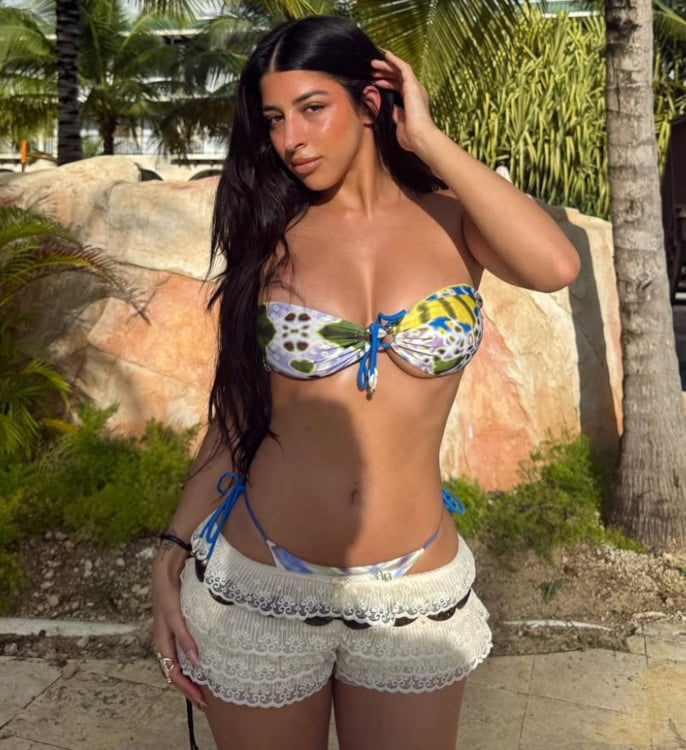 British Asians make up one of the UK’s largest ethnic minority groups, yet the villa remains devoid of lasting representation.
Across eleven seasons, South Asian contestants are rare, and those who arrive often face rapid exits.
Shannon Singh’s 2021 appearance ended after just 48 hours, sparking debate about tokenism.
Munveer Jabbal and Priya Gopaldas also experienced brief stints, never achieving a sustained narrative.
Although Sanam Harrinanan broke through by winning in 2023 and Shakira Khan emerged in 2025, these cases remain exceptions.
Their limited screen time and romantic opportunities underscore deeper issues within casting, suggesting diversity is often superficial rather than structural.
Persistent Racism and Colourism in the Villa
 Love Island has been criticised repeatedly for racism and colourism, with Ofcom receiving numerous complaints.
Black women and minority contestants are typically chosen last in pairings and eliminated earlier than their white counterparts.
South Asian participants, especially those with darker skin or non-Eurocentric features, face similar marginalisation.
Production appears to prioritise contestants with lighter skin and Westernised appearances.
Consequently, storylines often overlook minority contestants unless their ethnicity becomes a central point of discussion.
Such selective visibility perpetuates stereotypes and limits authentic representation of British Asian identity.
Misogyny, Slut-Shaming and Gender Inequality
 Love Island’s portrayal of women continues to draw criticism, with over 7,400 complaints lodged in 2022 regarding misogynistic conduct.
Female contestants frequently endure slut-shaming and coercive behaviour, while male contestants’ actions are dismissed as harmless fun or bravado.
The pattern of double standards is reinforced by recent events.
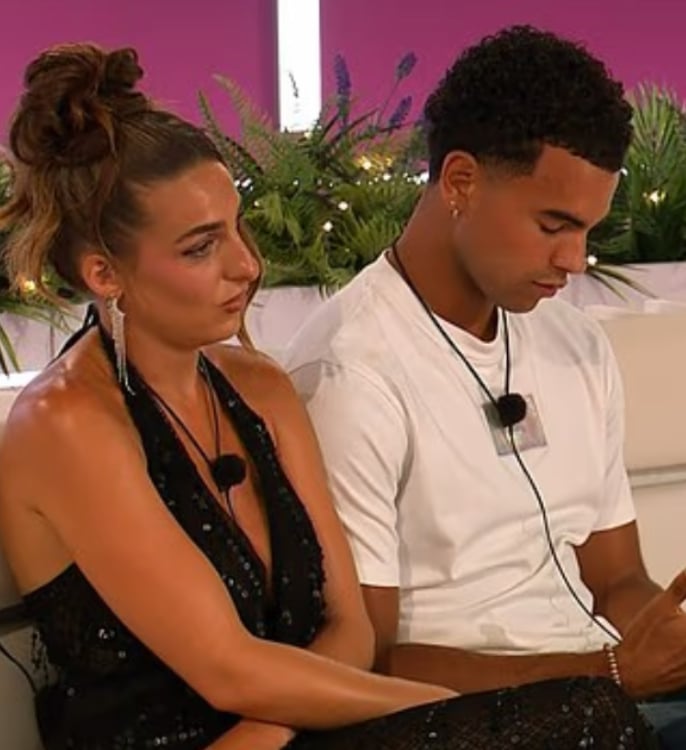
Male Islanders like Harrison Solomon faced backlash for emotional manipulation after his relationships with Lauren and Toni unfolded publicly.
Women’s Aid explicitly condemned this conduct, labelling it “toxic behaviour” and emphasising that “more must be done to educate contestants on sexism and misogyny”.
The charity warned that such normalisation of disrespect risks entrenching broader cultures that trivialise abuse and discrimination.
Reinforcement of Narrow Beauty Standards and Stereotyping
 Love Island has long upheld restrictive beauty ideals, with slim, conventionally attractive contestants dominating the narrative.
Casting prioritises light-skinned, Eurocentric features even among South Asian contestants.
Body diversity and visible minority representation remain minimal and tokenistic.
Furthermore, challenges that emphasise traditional gender roles, such as hyper-masculine “fireman” tasks, reinforce outdated stereotypes.
The show’s portrayal of British Asians tends to rely on reductive tropes, quiet, traditionally reserved, or less romantic, rather than presenting them in fully developed roles.
This narrow presentation offers viewers little insight into the breadth of South Asian identity.
Impactful Participation of South Asian Islanders
 While marginalisation persists, the participation of South Asian contestants has offered signs of progress.
Sanam Harrinanan’s 2023 win marked a milestone, signalling potential acceptance and visibility within the format.
Shakira Khan’s role in 2025 sparked conversation about representation, though her journey still attracted Ofcom complaints related to bullying dynamics.
Contrasting these successes, early exits by Shannon Singh, Munveer Jabbal, and Priya Gopaldas reflect the fragility of South Asian presence on the show.
Their varied experiences highlight both the potential for inclusion and the persistence of structural barriers within reality television.
Industry Response
 ITV and Love Island producers have publicly addressed these criticisms, emphasising duty-of-care measures and contestant training in respect, microaggressions, and coercive behaviour.
Despite these measures, structural change lags behind rhetoric.
Seasons featuring no British Asian contestants and unresolved stories around casting suggest an unwillingness to overhaul the format.
Token appearances without long-term investment fall short.
For Love Island to matter as a culturally inclusive platform, it must embed diversity at every stage.
This includes casting, editing, and framing of narrative arcs.
British Asian audiences are now faced with a critical decision: continue tuning in with hope and scrutiny, or disengage in search of better representation.
While Love Island still offers entertainment and occasional milestones in diversity, its persistent issues cannot be overlooked.
The recent censure from Women’s Aid over male contestants’ “toxic behaviour” underscores the show’s serious failings.
Until Love Island commits to meaningful change, many British Asians may find little in its content that resonates or affirms their experiences.
Watching, or opting out, has become a matter that reflects broader cultural worth and values.