

















































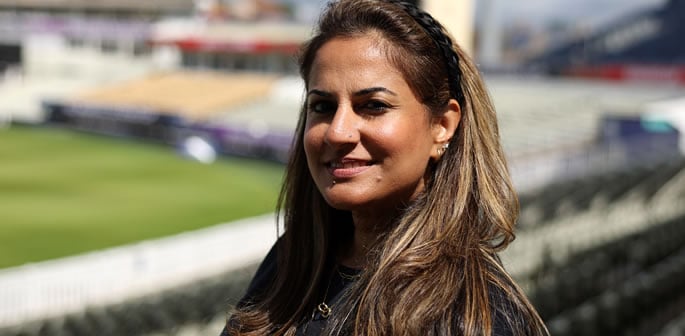
“Cricket was a huge part of my family life"
Ayesha Rauf has played a central role in reshaping opportunities for women and girls in cricket across Wales, with a particular focus on improving South Asian representation in the game.
Working at grassroots level, she has built the women’s and girls’ pathway at Llandaff Cricket Club from the ground up, creating structured access where none previously existed.
Her work sits within a wider push to broaden participation in cricket and address long-standing gaps in visibility and inclusion.
That focus has placed her among 53 women recognised by the England and Wales Cricket Board (ECB), each highlighted for their contribution to the future of the sport.
The recognition was marked by 53 purple seats at Edgbaston.
In an interview with DESIblitz, Ayesha Rauf reflects on her journey from limited representation to actively building pathways that aim to make cricket more accessible for South Asian girls in Wales.
Growing Up between London and Wales
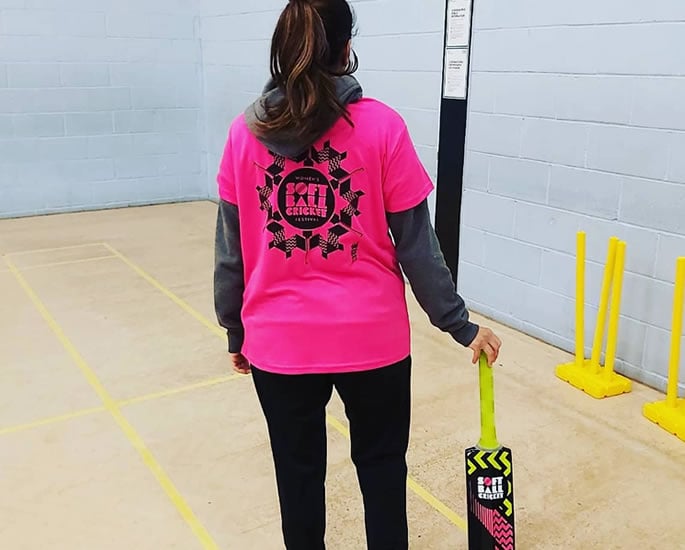
During Ayesha Rauf’s upbringing, cricket existed in an informal, family-centred space rather than anything structured or professional.
Growing up between London and later Wales, the game was tied closely to identity, culture and shared time with relatives, particularly around Pakistan fixtures and weekend park games.
She says: “Cricket was a huge part of my family life, especially watching Pakistan play.
“I loved supporting my brother and cousins during family games in the park, yet I grew up believing that cricket was a sport for men, not women.”
That early framing mattered.
Even with clear enthusiasm for the sport within her household, the idea of girls progressing within cricket sat outside what felt normal or expected.
The enjoyment was real, but the pathway was not visible.
Representation Gaps
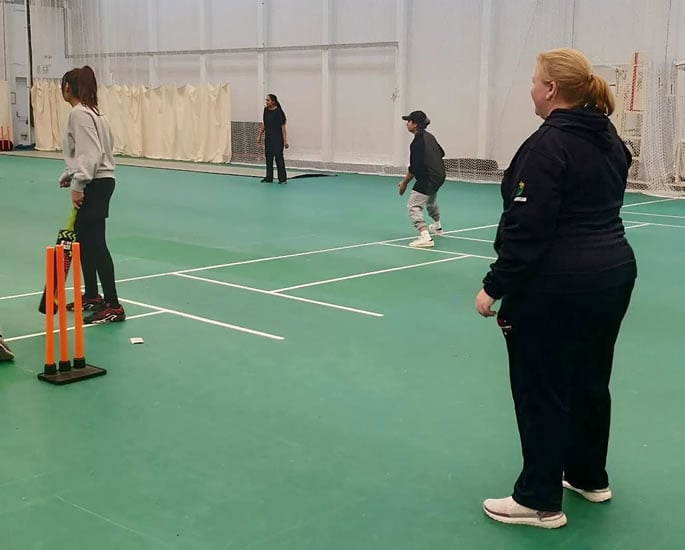
As Ayesha Rauf became more aware of the wider cricket landscape, the absence of South Asian women in the game shaped how participation was subconsciously understood.
It wasn’t framed as exclusion at the time, but as something simply not available.
Rauf says: “Unconsciously, I believed that in cricket there wasn’t space for women like me, and I never truly saw it as something I could participate in myself.”
That sense of distance was reinforced by limited visibility in both community spaces and the broader sporting environment.
Without relatable role models or clear pathways, cricket remained something to support from the sidelines rather than enter.
For many girls in similar contexts, this lack of representation doesn’t always register as an active barrier, but it quietly narrows what feels achievable.
That underlying perception would later become central to why change was needed at grassroots level.
Building a Pathway at Llandaff CC
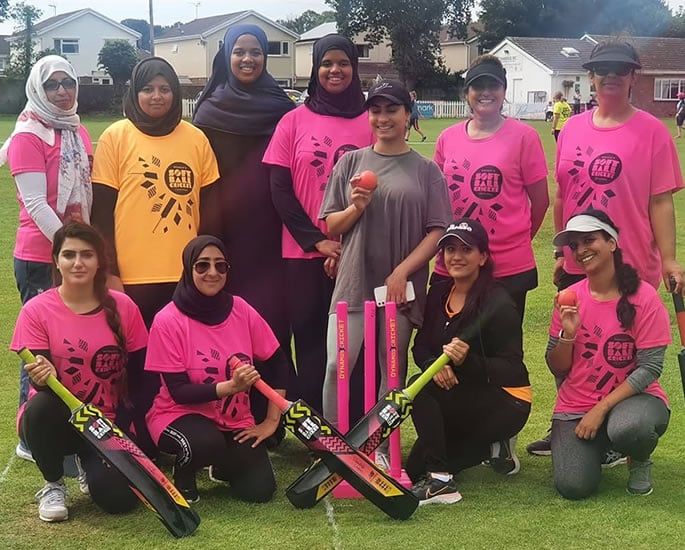
The decision to actively create space for girls at Llandaff CC came from a personal place, rooted in family and a desire to remove the limitations she had once assumed were fixed.
Ayesha Rauf explains: “I wanted my daughter to have the same opportunities as her brothers, the freedom to pursue her passion without barriers and the chance to play in an all-girls team where she feels comfortable, supported, and confident.
“As a South Asian girl, having an environment where she feels she truly belongs is incredibly important, and I wanted to help create that space not just for her, but for other girls like her as well.”
That intention quickly turned into practical work at club level, where the challenge was trust and visibility.
Recruitment required direct engagement with local communities, alongside reassurance that the environment would be safe, inclusive and consistent.
Rauf continues:
“One of the biggest barriers was encouraging girls to join in the first place.”
“As a club, we had to actively reach out to the community to recruit female players and reassure families that we could provide a safe, welcoming, and comfortable environment for their daughters.
“Having female coaches was a really important part of that. We also had to build trust and instil confidence in parents so they felt comfortable bringing their daughters to take part in cricket and pursue the opportunities available to them.”
The introduction of female coaches was particularly significant in shifting perceptions. It helped bridge the gap between interest and participation, especially for families who needed visible reassurance before committing to the sport.
What Still Needs to Evolve

Over time, the impact of that work has become increasingly visible within the community.
Participation has grown, but more importantly, attitudes around girls playing cricket have shifted in a sustained way.
Rauf says: “There has been a significant increase in participation and a hugely positive shift in attitudes towards girls playing cricket.
“Communities are increasingly recognising the value of their daughters being involved in sport and the wide range of benefits it brings.
“Beyond improving their physical health and fitness, they recognise that it helps girls develop confidence, resilience, teamwork, discipline, and leadership skills.”
Alongside participation, representation continues to play a defining role in how young players see themselves within the game.
Rauf elaborates: “It gives South Asian girls a sense of acceptance and validation, helping them to feel seen, valued, and included within their communities.
“Through cricket, they begin to understand that their worth and contribution matter, as they are able to achieve success, build confidence, and develop a strong sense of identity.
“Sport provides opportunities to break stereotypes, challenge cultural barriers, and create positive role models for younger girls.”
Recognition of this work at the national level has added further meaning to that progress, as Rauf says:
“Being involved in this initiative is a real honour, and it provides validation that hard work, resilience, and determination truly pay off.
“It brings a sense of hope and confidence that, with the right support systems, opportunities, and pathways in place, future generations of South Asian girls will be able to access and thrive within the game of cricket.”
However, sustaining that progress remains dependent on continued structural support at grassroots level.
Rauf adds: “Schools and communities need support from organisations and clubs to ensure continuity and consistency.
“Communities need a more nurtured and personalised approach to gain trust and respect.”
“Environment and coaching are vital to retaining players – they need to be coached in spaces where they feel culturally understood, family expectations and modesty concerns are recognised, and the importance of parental trust is appreciated.
“Without that, participation often starts but doesn’t last. South Asian women in cricket still need to be normalised on mainstream platforms.”
Ayesha Rauf’s work at Llandaff Cricket Club reflects a broader shift taking place across grassroots cricket, where representation and structured access are becoming increasingly central to development.
By focusing on trust, visibility and culturally aware coaching environments, she has helped open doors for girls who previously saw few clear routes into the game.
The growing participation at club level points to a gradual but meaningful change in how communities view girls’ involvement in sport.
Initiatives such as the ECB’s recognition of 53 women underline how individual efforts are contributing to a wider national picture of inclusion.
While progress is evident, sustaining it will depend on continued support across schools, clubs and governing bodies to ensure opportunities translate into long-term participation and lasting change within the game.