















































"We’re cutting fares by a third to help with the cost-of-living"
Will Andy Burnham’s cost-of-living plans actually make life cheaper for British households?
The new Prime Minister has promised immediate support through cheaper electricity bills and lower bus fares, but the impact on people’s finances will depend on whether these measures go beyond short-term relief.
His first announcements aim to put more money back into people’s pockets after years of rising costs, high household bills and financial pressure.
However, experts and campaigners warn that small savings alone will not solve deeper issues around housing, wages, benefits and essential living costs.
Burnham’s approach comes after a prolonged cost-of-living crisis that changed how millions of people manage their money.
For many households, there is little left to cut back on after years of rising food, energy and rent costs.
Burnham has said his government’s immediate focus is giving people “breathing space” while developing a longer-term plan to rebuild Britain’s economy.
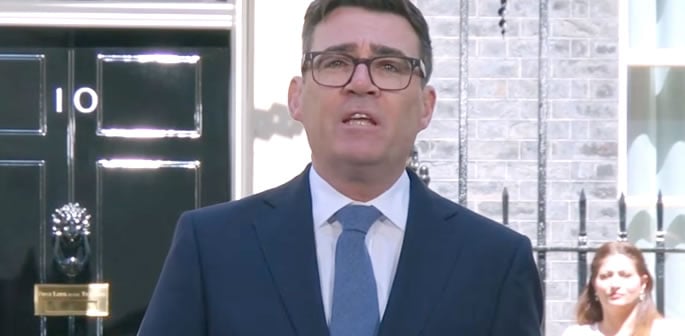
In his first speech as PM, he said: “Later this year, I will bring forward a new plan for Britain, a 10-year plan, laying out a path from where we are now to where I believe we all want Britain to be, wherever we’re coming from, whatever party we support.
“But I can do something to give people some breathing space now, some help with the cost-of-living, and I will set out some of those measures starting tomorrow [Tuesday], including how we pay for them.”
The question facing Andy Burnham is whether these first steps will provide the financial relief people are looking for or whether bigger reforms will be needed.
What are Andy Burnham’s Cost-of-Living Plans?

Andy Burnham’s first cost-of-living measures focus on reducing two everyday expenses that affect millions of households: electricity bills and transport costs.
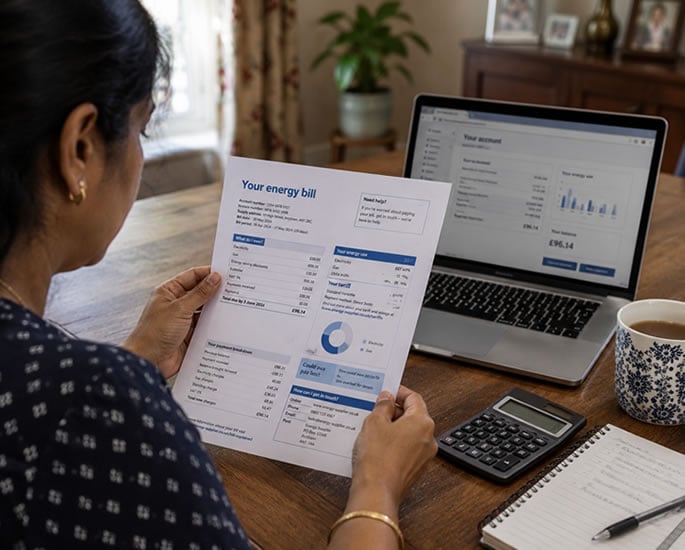
The first announcement was a cut to VAT on domestic electricity bills. From October 1, VAT will be removed from electricity bills, reducing the current rate from 5% to 0%.
The government estimates this will save the average household around £45 a year. This means the typical household could save approximately £3.75 a month.
John Healey, the new chancellor of the exchequer, said:
“For too long, too many people have struggled with the cost-of-living. Today’s energy tax cut will give families some breathing room on bills, and provide some reassurance this winter.”
The measure will cost an estimated £850 million in 2026-27 and will be funded by scrapping the Digital ID programme.
The scheme was expected to cost £1.8 billion over three years, according to the Office for Budget Responsibility in November 2025.
While the saving may help households manage monthly budgets, it is unlikely to significantly change the financial situation for people already struggling to afford essentials.
For families facing difficult choices between heating their homes, buying food or paying other bills, £45 a year provides some support but does not address the wider causes of financial insecurity.
Burnham has also announced changes to bus fares in England, with a £2 cap on single tickets from January.
The government says the policy will reduce fares by up to a third and help millions of passengers with everyday travel costs. It is backed by £454 million in additional funding, including support for devolved governments.
Without the cap, the government warned some single bus journeys could rise above £10 on the most expensive routes.
Burnham said: “Good, affordable transport links are an essential. No one should be priced out of those and left behind.
“But for too long people have said that cheaper transport isn’t an option. I don’t accept that. I’ve done it before and I will do it again now: a £2 cap on bus fares for millions across the country.
“Lower fares will help people get to where they need to – giving them breathing space to help with the cost-of-living.”
“As I said on my first day in office – I will build a country for everyone, everywhere. That means more connected communities, better access to opportunities, and a lighter load on people’s lives.”
The policy builds on Burnham’s existing £2 bus fare cap in Greater Manchester. It also replaces the previous government’s £3 national cap, which had been extended until March 2027.
Transport Secretary Heidi Alexander said: “This is about making those everyday journeys easier and cheaper.
“We’re cutting fares by a third to help with the cost-of-living, open up opportunities and keep people connected to work, school, healthcare and their friends and family.”
For regular bus users, especially those commuting to work or education, the savings could become more noticeable over time.
However, the benefit will depend on how often people travel and whether affordable services are available in their area.
Will the Measures make People Feel Better Off?
Andy Burnham’s first announcements provide immediate reductions in some household costs, but economists and campaigners have questioned whether they go far enough.
The cost-of-living crisis has not only been caused by individual bills rising.
It has also been driven by wider issues including stagnant wage growth, high rents and low-income households struggling to cover basic expenses.
Helen Barnard, director of policy and research at Trussell, said:
“[Tuesday’s] proposal to cut VAT on electricity bills shows the prime minister’s focus will be on tackling the cost-of-living. But this first step will do little for people being forced to turn to food banks to survive.
“We need to see more targeted support for families at the sharpest end of the cost-of-living crisis, who are being forced to turn to food banks because they don’t have enough money for the essentials.”
In the last year, 2.6 million emergency food parcels were distributed to people facing hunger and severe hardship in the UK.
Trussell has called for the government to lift the freeze on local housing allowance and introduce an essentials guarantee. This would ensure universal credit covers the cost of basic necessities.
More than eight million people currently claim universal credit to help them afford everyday life. However, campaigners argue current payments remain below what many households need.
The Joseph Rowntree Foundation estimates that the basic rate of universal credit remains more than £20 below the amount needed each week for essential costs for single people, and around £30 below for couples.
Chris Belfield, chief economist at the Joseph Rowntree Foundation, said:
“We face a tough living standards outlook, with the lowest-income households facing the biggest squeeze. Any action to help with that is to be welcomed.
“But there is still so much to do.
“The new government has an opportunity to meet this crisis head-on, with bold policy that fundamentally rethinks how we build household economic security.”
Belfield has suggested measures including controlling the growth of private rents, making basic energy use more affordable and improving universal credit and in-work support.
Housing is expected to be a major part of Burnham’s wider plans.
The Prime Minister has reportedly considered rent controls and has already promised the largest council housebuilding programme since the post-war period.
The Cost of Living Action (COLA) coalition has called for urgent action, including private sector rent controls and large-scale social housing.
Clara Collingwood, director at the Renters’ Reform Coalition, said:
“Everyone needs a decent affordable home, but soaring rents drive tenants into poverty, push us out of our homes and communities, and create huge social and economic costs for the whole of society.
“With rent rising faster than wages for 11 of the last 15 years, it’s obvious any attempt to improve cost-of-living that doesn’t include some form of rent controls will be trying to fill a leaking bucket.”
The issue highlights the challenge facing Burnham. Reducing bills can provide immediate relief, but many households need changes that improve their long-term financial security.
What Could Be Done Next?
Andy Burnham has promised that his government’s longer-term goal is to create a different economic model where essential services become more affordable.
He said he wants to “build a new economy where we put life’s essentials back under stronger public control to make them affordable to you again”.
This includes plans to “re-industrialise Britain, using public procurement to back British industry”.
Danny Sriskandarajah, chief executive at the New Economics Foundation, said:
“At the New Economics Foundation, we have been waiting 40 years for a PM who promises to ‘build a new economy’.
“What we need to see now are the measures that will deliver the promises he just made on Downing Street.
“The new government’s top priority needs to be early action to address cost-of-living pressures through policies like a national energy guarantee, rent controls and free bus fares for under-25s.”
Although Burnham has introduced the £2 bus fare cap, he has not yet committed to free bus travel for young people.
Other possible measures include expanding social housing, reforming welfare support and introducing new approaches to income security.
Burnham has previously backed a targeted universal basic income trial in Greater Manchester, although a nationwide policy has not been announced.
His government also inherits several previous Labour policies designed to tackle financial pressures. These include ending the two-child benefit limit, expanding free school meals to children in families receiving universal credit and introducing the Renters’ Rights Act.
The challenge will be proving that these changes can make a noticeable difference after years of financial pressure.
Many households are not simply looking for lower bills. They want to feel more secure, with enough money left after paying for essentials to enjoy everyday life.
Andy Burnham’s first cost-of-living measures are designed to provide immediate support by reducing two unavoidable expenses: electricity and transport.
The £45 electricity saving and £2 bus fare cap will help households, particularly those who regularly use public transport or are carefully managing monthly budgets.
However, the wider cost-of-living challenge is much bigger than individual bills. Rising rents, low incomes and pressure on benefits continue to affect millions of people across Britain.
Burnham’s biggest test will be whether these early announcements become part of a wider plan that improves living standards over time.
After years of financial uncertainty, people are not only asking for temporary relief. They want to know whether life in Britain can become more affordable again.