














































Figures show net migration dropped from 649,000
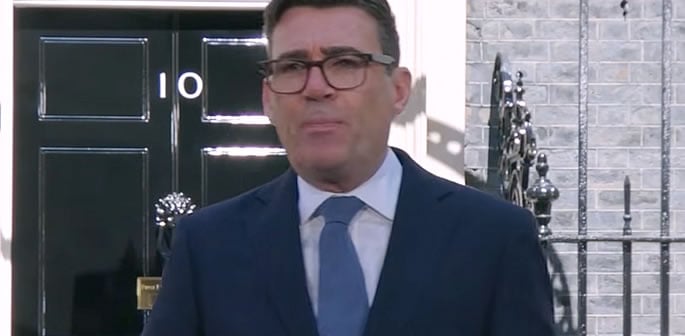
As Andy Burnham becomes Prime Minister, immigration remains a pressing issue and he is promising an asylum system that is “both compassionate and credible”.
Home Secretary Shabana Mahmood announced major reforms to asylum rules and changes to how migrants arriving in Britain on work visas can qualify for permanent residency.
Under the proposals, the standard qualifying period for indefinite leave to remain (ILR) would increase from five years to between 10 and 15 years.
The change would apply retrospectively to migrants who arrived from 2021, with around 1.6 million people expected to otherwise become eligible to apply for ILR from this year.
Dozens of Labour MPs have called on Burnham to soften the proposals, while other figures from the party’s soft left, including Angela Rayner, have criticised the plans.
However, Burnham has previously supported the “broad thrust” of Mahmood’s reforms, while indicating he would review the impact on migrants already living in Britain.
A compromise is expected, with the Home Office reportedly exploring options that could reduce the impact of the ILR changes.
One possible approach would allow migrants to gain settled status while delaying access to benefits.
The debate has highlighted divisions within Labour over how to respond to migration pressures.
Zack Polanski, the Green Party leader who has made gains among some urban professional voters, criticised the proposals as “performative cruelty and total cowardice”.
Sunder Katwala, director of the think-tank British Future, said immigration was “quite polarising for Labour MPs, depending on whether they have Reform-facing or Green-facing seats”.
However, he said Labour could find common ground, pointing to polling that suggested two-thirds of voters were migration “balancers” rather than supporting either liberal or hardline positions.
The political pressure to reduce migration numbers has also eased following a significant fall in net migration.
Figures show net migration dropped from 649,000 in the year before Labour came to power to 171,000 in 2025.
While ILR changes will be considered separately, Mahmood’s Immigration and Asylum Bill introduces several restrictions affecting asylum seekers.
The legislation would make refugee status temporary, introduce a financial contribution requirement for those seeking asylum, and limit the ability to challenge deportation based on the right to family life under the European Convention on Human Rights.
Burnham voted in favour of the bill during its second reading in parliament, which it passed comfortably. Fourteen left-wing Labour MPs voted against it.
A person familiar with Burnham’s views said he wanted to reduce the number of people crossing the English Channel in small boats while supporting a quota-based system for refugees applying from outside Britain.
This could involve expanding the existing “one in, one out” agreement with France, where the UK accepts refugees from Europe in exchange for returning people who cross the Channel in small boats.
Unlike previous debates focused mainly on migration numbers, Andy Burnham has placed greater emphasis on the impact of asylum accommodation on post-industrial towns in northern England and the Midlands.
He has criticised the use of asylum hotels and houses of multiple occupation (HMOs) in deprived areas, arguing that government contracts have placed pressure on local communities.
After winning the Makerfield by-election, Burnham criticised a “cut-price approach to procurement, that means areas like this can end up like HMO Britain”.
The number of people living in asylum hotels has fallen by a third to fewer than 21,000 since Labour entered government, following faster decision-making.
However, the number housed in other accommodation has increased by 8% to more than 72,000.
The new PM has pledged to end asylum accommodation contracts and close highly visible asylum hotels, arguing councils should have more involvement in decisions over where migrants are housed.
The details of Andy Burnham’s immigration policy remain unclear, but his approach appears focused on finding a middle ground within Labour and among voters.
While he has taken a more confrontational stance on economic policy by pledging to reverse “40 years of neoliberalism”, immigration is expected to be an area where he seeks to bridge divisions.