






























"I mean initially it was very difficult"
Tyla has addressed the backlash she received after describing herself as “coloured”, explaining that the term reflects her South African identity and cultural background.
The 24-year-old singer faced criticism in 2023 after she referred to herself as “a coloured South African” in a TikTok video.
Tyla, whose father is of Indian and Mauritian descent and whose mother is of Irish and Zulu heritage, was criticised by some social media users in the United States, where the term is widely regarded as a racial slur.
But in South Africa, “coloured” is an officially recognised term used to describe people of mixed-race heritage.
It was also one of the four racial classifications enforced under apartheid, alongside white, black and Indian.
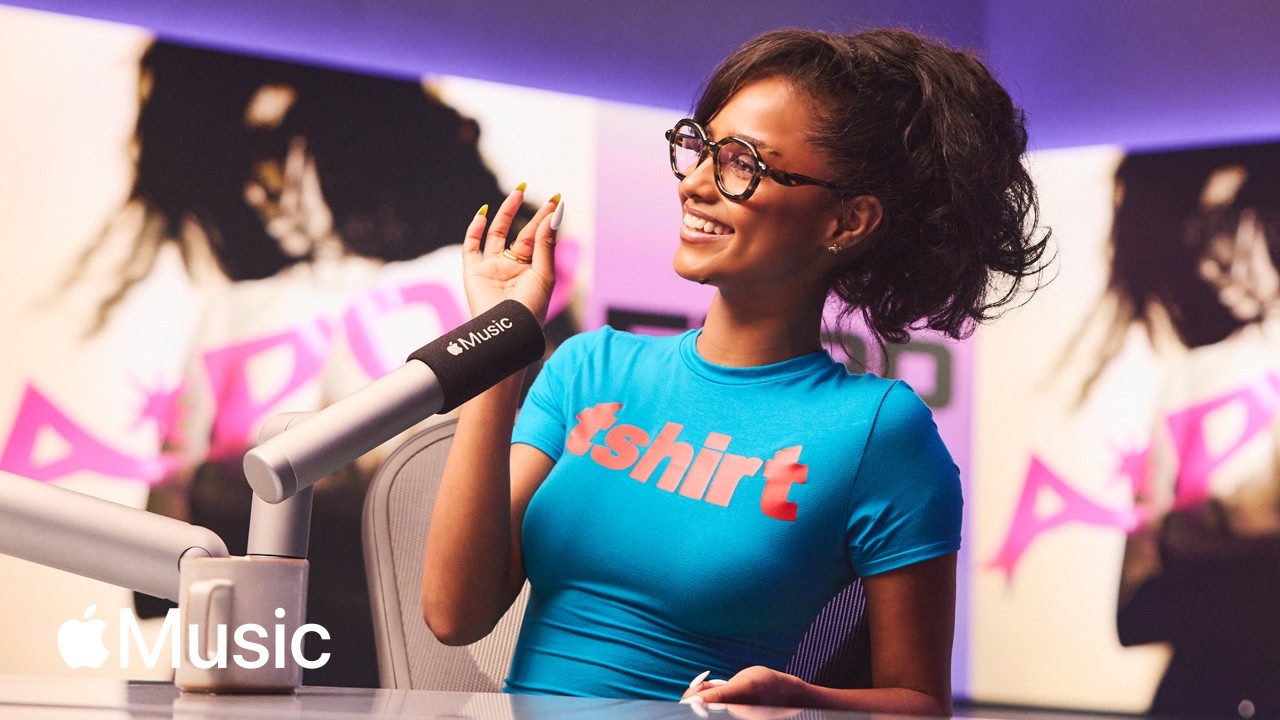
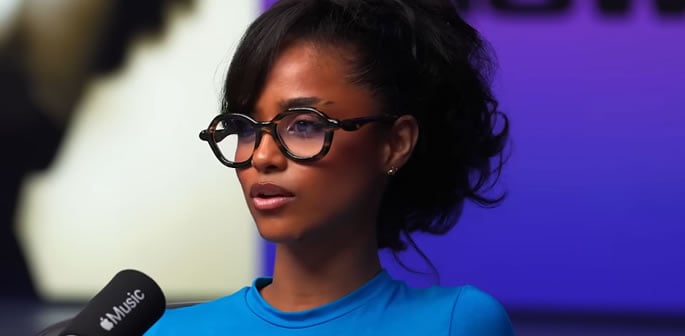
Speaking in an interview with Apple Music, Tyla admitted she initially struggled to respond to the controversy.
She said: “I mean initially it was very difficult… I started getting backlash and I was like, ‘Whoa, I don’t know what else to say about it’, you know because I never had to explain myself.
“You know, I was just always myself and at the time – 22 years of my life – all I knew was that I’m coloured and that’s what I was told. It’s what like I had to tick on boxes back home.
“And when I was able to travel the world and learn more about the world, I then learned just how big the world is, you know, and how different each country is, how different context is.
“So when I learned about what it means here, I was like, whoa, this is going to be a difficult conversation to have.
“In South Africa we also have a derogatory term. So I feel like if someone were to come to our country and say they were that I get why it would be triggering.”
Tyla said the experience helped her better understand how language can carry different meanings across countries:
“I feel just having a lot of conversations and learning more about it – I know that being coloured is like my culture, you know, it exists in my context, but I’m also black.
“Being coloured is something that happened through a lot of pain. Our South African history is very painful.
“We were separated from each other and given these names and colour became our culture. So, it’s still something that we’re very prideful about.
“I think it was a very important thing for me to go through and learn and for the conversations to just open up, you know.”
“And I just hope whoever sees this can make their videos on TikTok and maybe we can come to some sort of understanding.”
In an interview with The Times, the artist acknowledged that differing interpretations of the term mean the debate may never have a definitive resolution.
She said: “Everywhere you go it means something else.
“It’s just a conversation that’s never-ending. I’m off that train.”
Hear the Full Interview