
















































"it shines a light on a hidden part of London’s history"
Bhasker Patel steps into a story that carries real historical weight in Camdenwalla, a new production that revisits a defining but often overlooked moment in London’s recent past.
Running at Camden People’s Theatre from June 17 to July 4, the play is staged in a venue where the real events unfolded, adding an unusual layer of authenticity.
Set over a single night in 1994, it follows a volunteer network responding to racist violence across North London, where fear, urgency and collective responsibility collide.
Patel plays Muhammad, a first-generation Bangladeshi volunteer who spends a single night inside the Camden Monitoring Project responding to racist violence and supporting his community.
Written and directed by Jonny Khan, Camdenwalla captures both the urgency of the moment and the quiet resilience of those who stepped forward when formal systems fell short.
It also carries the weight of memory, bringing forward stories shaped by both trauma and resilience.
In an interview with DESIblitz, Bhasker Patel reflects on the significance of bringing Muhammad’s story to the stage and the history Camdenwalla represents.
Unearthing Forgotten Histories
Bhasker Patel was drawn to Camdenwalla because of its focus on stories that have long remained unspoken.
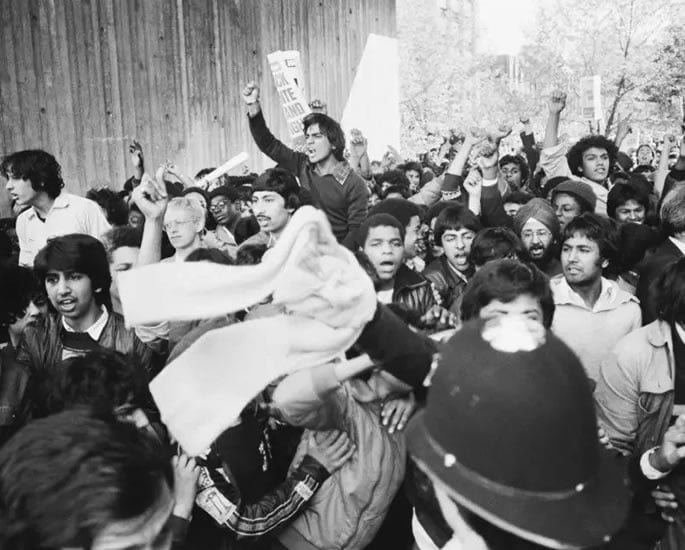
The production revisits a part of London’s past shaped by fear, resilience and community response, set against the backdrop of racist violence in the 1990s.
For Patel, the appeal lay in the play’s wider intent to surface experiences that have often been ignored or sidelined in public memory.
He explains: “These stories are rarely told and are often brushed under the carpet out of embarrassment, so that immediately stood out to me.
“What makes the play powerful is that it shines a light on a hidden part of London’s history that many people still don’t know about today.”
That sense of rediscovery runs through the production, which situates its narrative inside the Camden Monitoring Project in 1994.
The confined, single-night setting heightens the urgency of events, with Patel noting how rehearsal work gradually shaped his understanding of the role.
The intensity of that timeframe reflects the pressure faced by those involved in community protection efforts, where decisions and reactions had to happen quickly and often under strain.
He says: “After one week of R&D (research and development), you begin to understand the character and his journey towards helping to set up the monitoring project.
“The pressure of everything happening over one night also creates a real sense of urgency throughout the play.”
Responsibility shaped by Fear and Community Duty
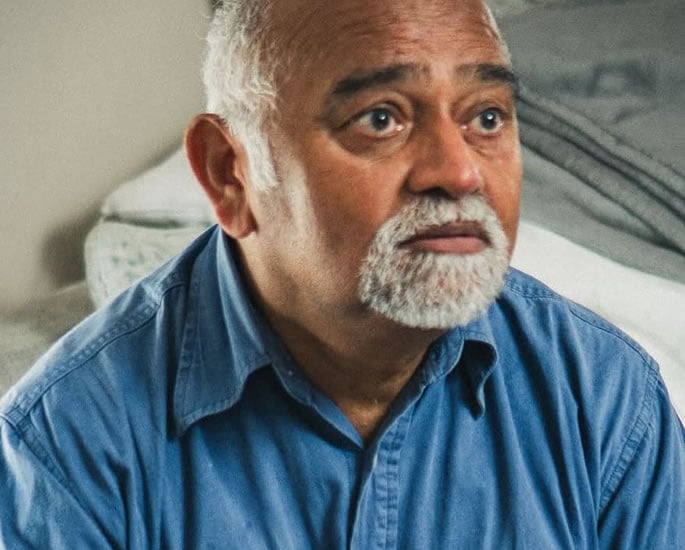
Muhammad is placed inside a volunteer network responding to racist violence and threats. It is a responsibility that carries emotional and psychological weight.
Patel’s approach to this aspect of the character was rooted in the writing itself, allowing the lived realities depicted on stage to guide his performance rather than imposing external interpretation.
He says: “It’s the journey within the writing that leads you to respond emotionally to the events, threats and incidents that took place, and to understand the significance of them.
“What’s striking is that these were ordinary people carrying huge responsibility within their community.”
That sense of ordinary individuals taking on extraordinary responsibility is central to the play’s exploration of grassroots activism.
The Camden Monitoring Project was born out of necessity, with communities stepping in where institutions were perceived to have failed.
Patel describes this as a form of collective protection, driven by both survival and solidarity:
“It’s a labour of love – protecting both yourself and your community from dangers when they have been failed by the establishment, which neither protected them nor believed their plight.
“The play really highlights the strength and resilience of communities coming together.”
This framing situates Muhammad as part of a wider network shaped by shared urgency and collective responsibility. The emotional weight of that environment is inseparable from the historical context that informs the play.
Violence, Memory and Lived History
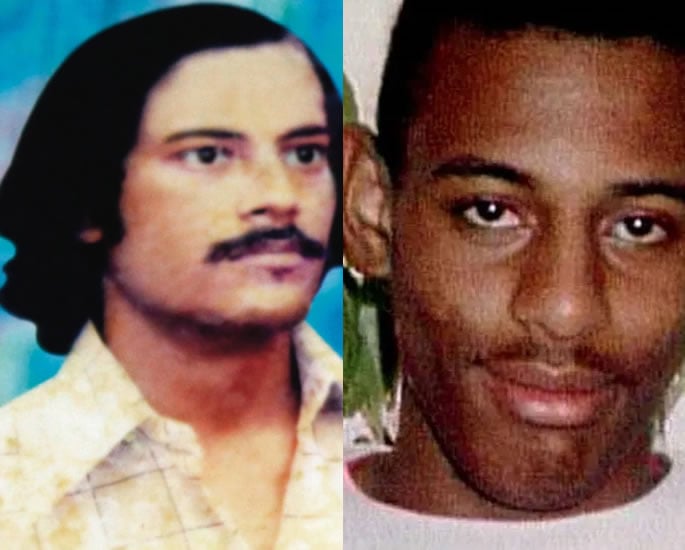
Camdenwalla is rooted in real events, including the murders of Altab Ali, Richard Everitt and Stephen Lawrence, which continue to shape conversations around race and safety in London.
For Bhasker Patel, this historical backdrop reframes the story’s stakes.
He details: “These murders brought people’s attention to the horrors of losing lives and made you realise that it could happen to anyone who is in the wrong place at the wrong time.
“It reminds you how much fear communities were living with during that period.”
That sense of unpredictability and vulnerability informs how Muhammad navigates his responsibilities within the monitoring project.
Rehearsals also brought into focus the significance of smaller, often overlooked moments of threat and support within communities.
Patel reflects on how discussions during the development process highlighted the importance of recognising every incident:
“During the R&D week, a lot of discussions took place that made us realise every small event mattered.
“Any threat to someone’s life is important and should never be ignored. Hearing how people supported one another during those times really stayed with me.”
Generational Distance

Within Camdenwalla, Muhammad’s interactions with Alima (Nusrath Tapadar), a British-Bangladeshi teenager, introduce a generational tension that reflects differing relationships to history and activism.
Patel’s reading of this dynamic centres on the silence that often surrounded earlier experiences of racism, and the impact that silence had on younger generations.
He elaborates: “Young people often have no idea about the threats and racism their community suffered because those horrors were rarely spoken about, out of fear of creating tension.
“Many people felt it was better to let sleeping dogs lie in order to create harmony and allow younger generations to assimilate.
“That generational gap creates some really interesting conversations within the play.”
This contrast between lived memory and inherited understanding becomes a key driver of dialogue within the production.
It reflects broader questions around how communities preserve history, and what is lost when difficult experiences are left unspoken in the pursuit of social harmony.
The play also raises wider questions about identity, belonging and solidarity in Britain today, particularly in relation to how communities respond to shared challenges.
Patel adds: “It always helps to shine a spotlight on historical events in order to educate people.
“Theatre is such a powerful way of bringing these forgotten histories to life for new audiences.”
As Camdenwalla runs at Camden People’s Theatre from June 17 to July 4, the production’s setting becomes inseparable from the story it tells, anchoring fiction within a space shaped by real community action.
The venue’s connection to the former Camden Monitoring Project deepens the sense of immediacy, turning performance into a form of historical echo.
Through Bhasker Patel’s portrayal of Muhammad, the play explores the emotional and practical demands placed on volunteers responding to racist violence in 1990s North London.
It also reflects on how those experiences shaped generational understanding, particularly where silence and survival often defined how history was passed on.
By returning these stories to the very place where they unfolded, Camdenwalla transforms Camden People’s Theatre into both stage and memory, grounding the production in the lived reality it seeks to honour.