
















































"There’s been a big shift in mindsets all over the world"
Women’s cricket is growing faster than the men’s game in several parts of the world due to increased investment, expanding tournaments and rising audiences.
The International Cricket Council (ICC) believes the women’s game is becoming a major driver of cricket’s global growth, particularly in emerging markets.
The rise has been reflected through record crowds, larger competitions and significant increases in broadcast figures.
India has played a central role in this expansion, with its huge cricket audience helping increase the commercial value of women’s competitions.
However, the ICC’s reliance on the Indian market has also created debate around financial distribution and competitive balance.
The growth follows a record-breaking Women’s T20 World Cup, which showcased the increasing popularity of the women’s game.
Why is Women’s Cricket becoming more Popular?
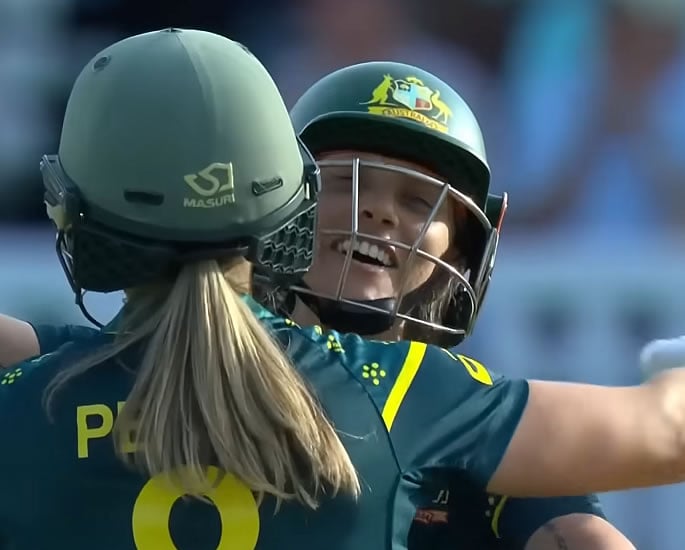
Women’s cricket is expanding beyond traditional cricket nations as more players and supporters engage with the sport.
ICC chief executive Sanjog Gupta believes the women’s game has particular potential in emerging markets because it can create opportunities for identity, connection and participation.
He said: “Cricket is assuming cultural significance among women in certain countries like Brazil where football is really big.
“Women gravitate towards cricket as a means of finding their own identity, and a platform for belonging.
“The fact it’s a team sport and that it intrinsically entails social connections lends itself to driving a sense of belonging for a community which feels a little cut off from certain facets of their culture.
“In emerging markets, women’s cricket is playing the leading role in driving participation and also the elevation of performance standards.
“You see that the ranking of the women’s teams in these countries is higher than the ranking of the men’s teams. It’s perhaps easier for a women’s team ranked 25 or 30 in the world to climb quickly, so it’s a virtuous circle.”
The ICC believes women’s cricket can help grow the sport in countries where cricket has previously struggled to establish a major presence.
In some emerging markets, women’s teams are already outperforming men’s teams in international rankings.
Gupta explained that this creates a positive cycle, where improving performance attracts more interest, investment and participation.
The ICC has also expanded opportunities through larger global competitions.
The 2026 Women’s T20 World Cup increased to 12 teams for the first time, with plans for the tournament to grow to 16 teams in 2030.
The women’s game will also follow the men’s four-year global tournament cycle, with the first Women’s Champions Trophy scheduled to take place in Sri Lanka.
This represents a major shift from 2016, when women’s T20 World Cup matches were played alongside the men’s competition as curtain-raisers.
How Much has Women’s Cricket Grown?
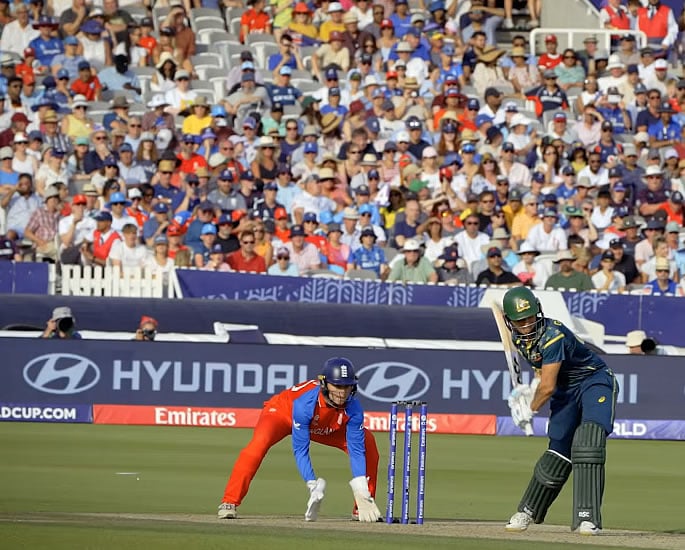
Women’s cricket has experienced significant growth in attendance, broadcast figures and commercial interest in the UK.
The 2026 Women’s T20 World Cup highlighted this transformation despite Australia defeating England in the final.
A record 245,815 spectators attended matches during the tournament, exceeding the previous attendance record by more than 100,000.
The final at Lord’s attracted 28,887 spectators, making it the highest-grossing women’s cricket match. Ticket sales generated more than £1 million.
Sky Sports reported more than 15 million viewing hours during the competition in the UK.
The growth has been particularly significant in India, where cricket has deep cultural importance.
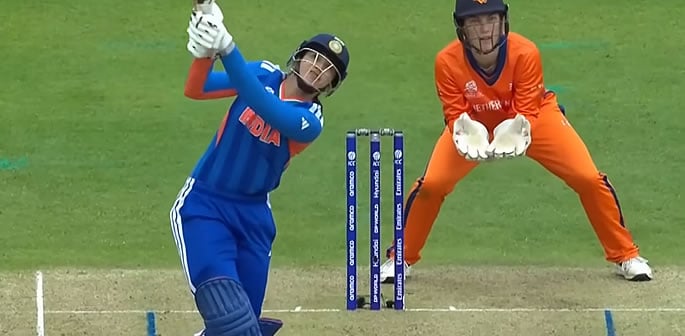
The group-stage match between India and Pakistan attracted 18,000 spectators at Edgbaston.
More than 25 million people watched the match on JioHotstar in India, generating 1.1 billion minutes of viewing time.
The figures represented a major increase compared with previous women’s tournaments.
Gupta said: “We’ve seen every metric track significantly ahead of previous benchmarks.
“There’s been a big shift in mindsets all over the world and it’s era-defining. Women’s World Cups now are as big for the Indian market as the 1983 World Cup was at that time for men’s cricket.”
The comparison refers to India’s historic men’s World Cup victory in 1983, which helped transform cricket’s popularity across the country.
India’s Role in the Future of Women’s Cricket
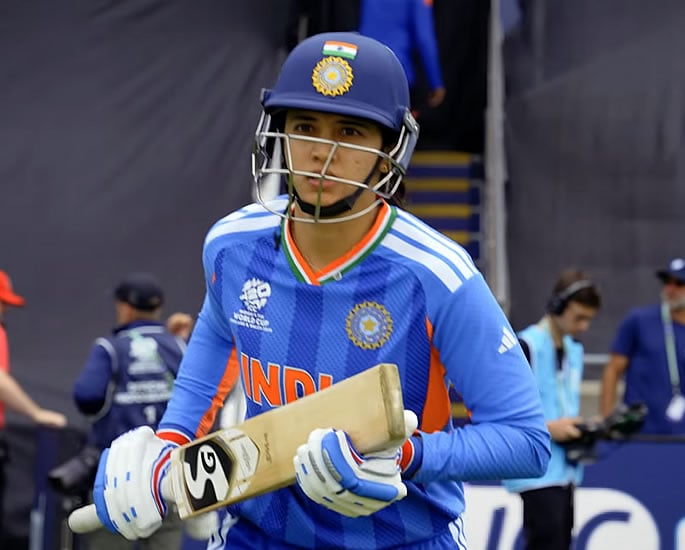
India has become one of the biggest commercial forces in international cricket because of its large fanbase and valuable broadcasting market.
The ICC has relied heavily on Indian audiences to increase the global reach of its events.
However, this influence has also raised concerns about financial inequality between cricket nations.
Around 40% of ICC revenues go to the Board of Control for Cricket in India (BCCI), while the West Indies receives around 4%.
West Indies captain Hayley Matthews criticised this imbalance after her team’s semi-final defeat against Australia.
India’s commercial influence has also affected tournament scheduling.
A fixed arrangement meant one semi-final would take place in a time slot suitable for South Asian audiences if India reached that stage.
Gupta defended the decision, arguing that attracting Indian viewers helps strengthen cricket globally.
As a former chief executive of JioStar, Gupta previously negotiated the ICC’s current $3 billion Indian rights deal. He is now seeking an extension from the opposite side of the negotiating table.
He explained: “We always look to balance the global viewing audience with the audience in countries which are hosting the event.
“That’s why it was pre-decided that one semi-final would be played in a time slot which makes it available in prime time in South Asia.
“It will be the same for the next tournament in Australia in 2028.”
“It’s not to favour India, but to try to help build the market. At our last event, the men’s T20 World Cup this year, the viewership in India was 60% of the global TV audience.
“You could argue that if India had not won the World Cup, the share of viewership may have been 52% to 55%, but you still have half the world. We’re trying to serve two worlds with all of our events – local and global.”
The ICC’s challenge is balancing commercial growth with ensuring international cricket remains competitive and accessible for all nations.
Women’s cricket is expected to continue expanding through larger tournaments, increased participation and stronger global audiences.
The ICC believes the sport can reach new communities by creating more opportunities for players and supporters worldwide.
India will remain a major force in driving commercial growth, but the future of the women’s game will depend on maintaining a balance between market influence and fairness.
With record attendances, growing audiences and greater international investment, women’s cricket is moving from a developing sport into a major part of the global cricket landscape.