
















































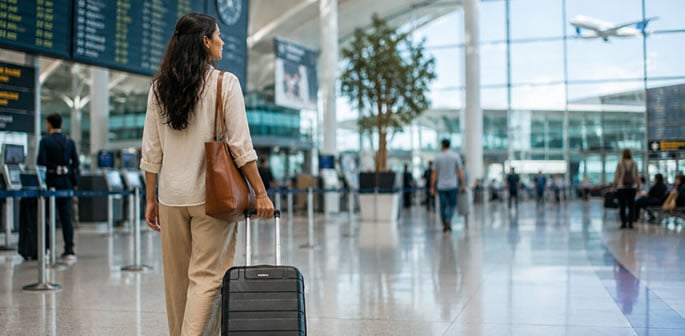
"Travellers want to offset the higher airfares"
Summer travel in 2026 is shaping up to be less about where people want to go and more about what they can realistically control.
Rising airfares, geopolitical uncertainty and shifting global travel routes are forcing even experienced holidaymakers to rethink long-held assumptions about booking a trip.
Yet demand is holding firm.
Flight searches continue to climb, suggesting travellers are not pulling back, but recalibrating instead. Plans are being built around deals, not dreams, with dates, destinations and budgets all in flux.
For many, the question is no longer just where to go this summer, but how to get there without overpaying or overcommitting.
Book the Flight First
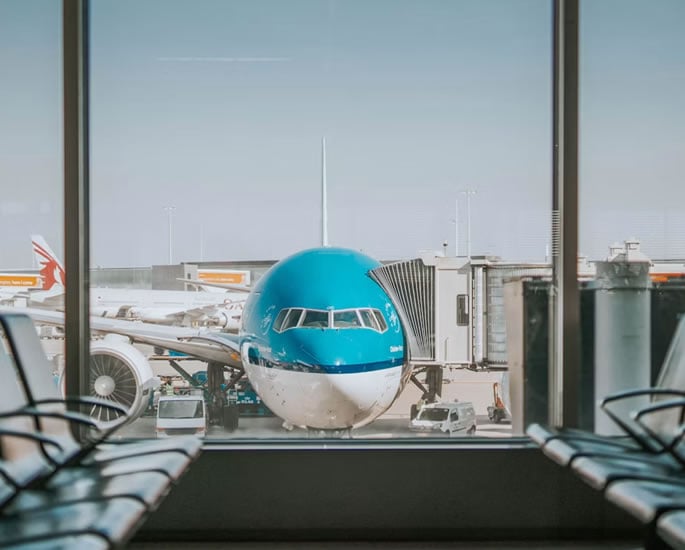
Flight fares remain highly sensitive to fuel costs, route changes and last-minute demand, pushing travellers to secure flights early and build itineraries around fixed dates.
Graham Carter, CEO of Unforgettable Travel, said:
“We see a trend of clients booking flights to avoid the rising prices, and then coming to us with flights already in place and asking us to design bespoke trips around their fixed flight date.
“Travellers want to offset the higher airfares with cost savings in other parts of their trip, and want to make sure they are getting the best service for the price they are paying.”
Uncertainty is also reshaping booking behaviour, with last-minute planning becoming even more compressed than in previous years.
Staying Closer to Home
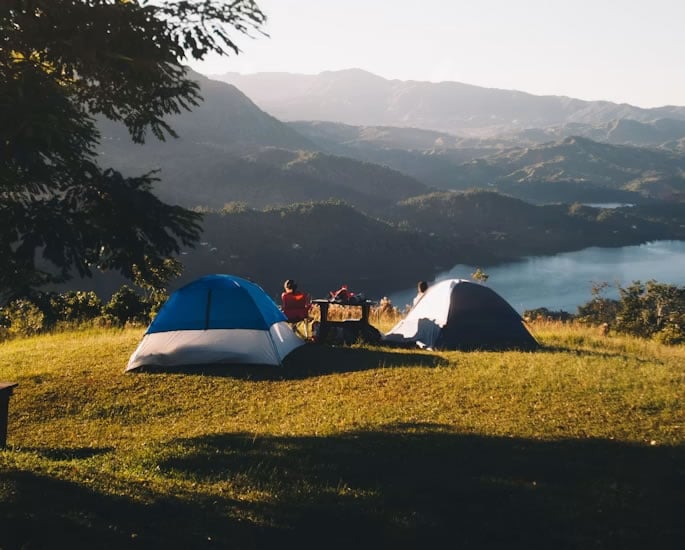
Rising long-haul costs are driving travellers towards shorter trips and regional escapes, with value increasingly defined by proximity rather than ambition.
Cayce Callaway, travel advisor at Cruise Planners, said:
“[American] clients are looking closer to home, like the Caribbean, and they’re going for fewer days when they would have otherwise gone to Europe.
“They’re also flying coach when they would have been flying at least comfort [premium economy] previously.”
Monika Geraci of the RV Industry Association highlighted how spending patterns are shifting rather than disappearing entirely.
“Americans are determined to get away. However, they are tightening their belts, with average trip budgets dropping to around $1,600 [£1,193].
“Instead of cancelling vacations due to high flight or hotel costs, travellers are choosing to adjust. They are driving shorter distances and choosing closer destinations, but they are still making memories.”
The same pattern is emerging in the UK, where domestic demand is climbing and travellers are using transport-linked accommodation options more strategically.
Looking beyond Europe
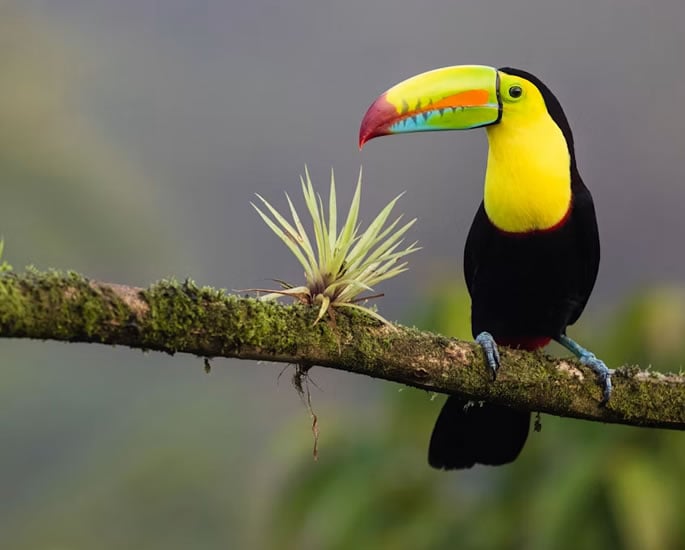
For long-haul travellers, Latin America is emerging as a standout alternative, with operators reporting a clear shift away from traditional European-heavy demand.
Blue Parallel said its booking mix has flipped from a typical 50:50 split between Europe and Latin America to 70% Latin America.
KAYAK data also shows UK flight searches to Central America up 34% year-on-year, while South America up 27%. Costa Rica and Guatemala are seeing particularly strong growth across multiple operators.
This shift is also changing the structure of trips, with travellers favouring multi-environment itineraries over single-stop beach holidays.
Emmanuel Burgio, CEO of Blue Parallel, said travellers are trading “fly-and-flop” Brazilian beach holidays for itineraries that combine lesser-known beach spots like Fernando de Noronha with Amazonian rainforests and wildlife-rich areas like the Pantanal.
“These journeys balance biodiversity, adrenaline and cultural depth in one single, cohesive itinerary.”
Cooler, Calmer Places
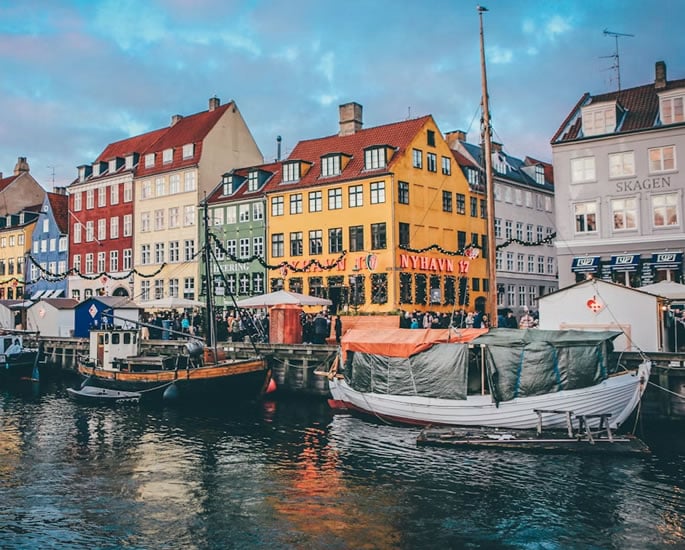
If you’re thinking about the Mediterranean, think about the extreme summer heat, overtourism and regional disruption.
According to KAYAK data, travellers are increasingly considering cooler European cities such as Reykjavik, Dublin and Copenhagen.
Jonny Cooper, founder of Off the Map Travel, said:
“Travellers are moving away from the idea that an island escape has to mean tropical beaches and extreme heat.
“The Nordic islands are capturing people’s imagination, as they offer the chance to slow down and reconnect with nature.”
Demand is also rising for slower, longer stays, with wellness and mindfulness becoming central to how people structure their time away.
Pay for Flexibility and Protection

As budgets tighten, travellers are becoming more selective about where they spend, prioritising flexibility and protection over purely lower upfront costs.
This includes stricter attention to cancellation policies and earlier investment in travel insurance, particularly for complex or long-haul itineraries.
Callaway said: “The statistic that is most telling to me is that I’m up 28% year over year, but with 13% fewer bookings.
“Each booking is a higher total, but I have fewer of them.”
For less experienced travellers, reassurance is becoming a key part of the service, with many seeking expert guidance before departure.
Callaway added: “New clients, who are just starting to travel internationally, are the most nervous.
“They hear in the media that there’s no jet fuel and that everyone hates Americans, so I do a lot of hand-holding for them before they depart. So far, they’ve all had a perfect experience, so they’re less anxious.”
What stands out most in 2026 is not that people are travelling less, but that they are travelling differently.
Holidays are being pieced together around timing, value and flexibility rather than fixed ideas of escape.
The rise of shorter breaks, alternative long-haul routes and cooler destinations points to a more pragmatic mindset taking hold.
Even so, the appetite to travel remains intact, only now filtered through cost and caution. The result is a more adaptive kind of tourism, where plans are designed to bend rather than break.
In this environment, the most successful trips are not the biggest or farthest, but the ones that survive contact with reality.