














































“I always used to find it kind of uncomfortable"
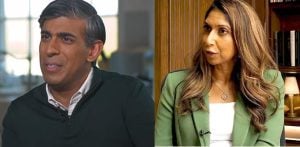
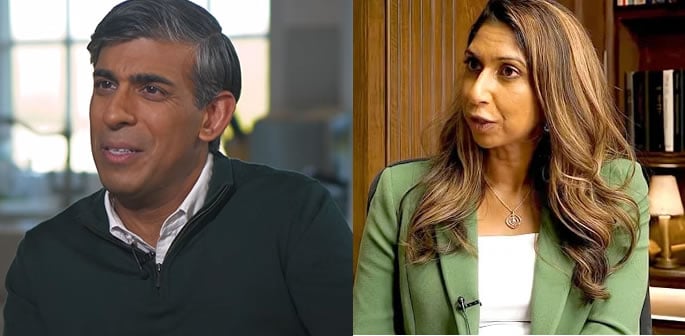
Rishi Sunak has criticised former Home Secretary Suella Braverman over her comments about English identity, insisting that a person’s skin colour should never determine whether they belong in the UK.
The ex-PM said he found it “uncomfortable” hearing his former Cabinet colleague suggest she was “not English” because of her Asian heritage, warning that such rhetoric risks creating divisions and sending the wrong message to younger generations.
His comments come amid a wider debate about national identity and immigration, following remarks by Ms Braverman, now Reform UK’s education spokesman, who said in October 2026 that she was British Asian but not “an English person” because both her parents were born abroad.
She made similar comments in 2025, claiming she could never be English because she had “no generational ties to English soil”.
In an interview with Sky News, Mr Sunak said he was concerned about the growing suggestion that being British or English was dependent on being white:
“I always used to find it kind of uncomfortable in a way talking about these things.
“And that’s because I do believe that we have the most successful multi-faith, multi-ethnic democracy in the world.
“I was proud to be the first non-white prime minister that we’ve had.
“But I was even prouder that it wasn’t actually that big a deal because of what we are as a country.
“That said, I felt the need to speak out about this because over the last couple of years you’ve seen a rise in the number of people who seem to think that in order to be British or English you have to be white.
“And I think that is very divisive and damaging and sends a negative message to young people growing up in this country.”
Rishi Sunak described equating identity and belonging with skin colour as a “type of ethno-nationalism”, arguing that it was “just simply not right”.
He also called for a “robust approach to integration”, while stressing that the UK needed a “radical reduction” in migration levels.
Reiterating his position on national identity, he added:
“But to still think that the colour of your skin should not determine whether you belong here… that’s not who we are as a country.”