







































Her inclusion reflects a longstanding commitment to Indian designers
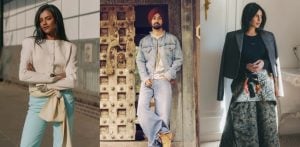
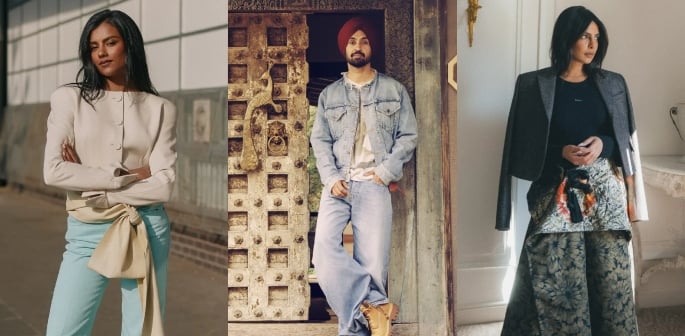
Diljit Dosanjh, Simone Ashley and Priyanka Chopra Jonas secured places on Vogue India’s Best Dressed People of 2026, recognising their distinctive approaches to fashion.
The annual list features 50 selections across six categories, celebrating personalities who have made an impression through their wardrobes.
From Bollywood stars to international actors, musicians and fashion insiders, this year’s selections reflect a growing appreciation for individuality and cultural influences.
The list includes Sonam Kapoor, Kareena Kapoor Khan, Ananya Panday, Saif Ali Khan and sitarist Rishab Rikhiram Sharma.
British actress Simone Ashley joins Diljit and Priyanka in the Global category, which celebrates personalities whose wardrobes move between cultures and fashion traditions.
Rather than focusing solely on expensive designer outfits, Vogue India‘s selections highlight personal expression, craftsmanship and unconventional styling.
The recognition comes as American Vogue also unveiled its separate 2026 Best Dressed list, with Heated Rivalry actor Connor Storrie appearing as its cover star.
Diljit Dosanjh’s Fearless Fashion
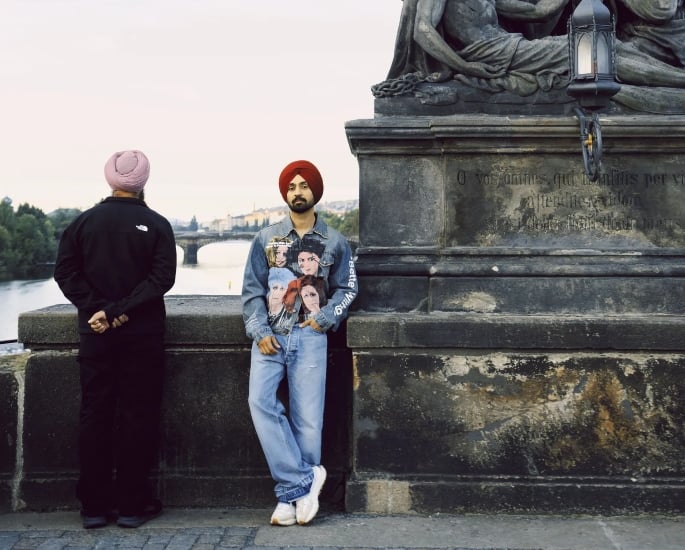
Diljit Dosanjh’s inclusion reflects his ability to mix traditional Punjabi identity with contemporary international fashion.
Known for his colourful turbans, statement jewellery and bold silhouettes, the singer has developed a recognisable style that rarely follows conventional menswear rules.
His wardrobe frequently combines luxury labels with Indian craftsmanship, creating looks that feel equally suited to concerts and fashion events.
Vogue India highlighted his appearance on The Tonight Show, where he wore a head-to-toe Chanel ensemble designed under Matthieu Blazy’s creative direction.
The look demonstrated his willingness to experiment with fashion houses traditionally associated with womenswear.
His concert outfits have also incorporated leather, denim, bright colours and traditional Indian silhouettes.
Even his accessories challenge established menswear conventions, with brooches, necklaces and elaborate jewellery regularly becoming focal points.
Vogue India’s accompanying styling guide encourages readers to experiment with colourful turbans, contemporary tailoring and Indian jewellery.
For Diljit, fashion has become another way of expressing his Punjabi heritage while appealing to an international audience.
Simone Ashley’s Vintage Fashion Statement
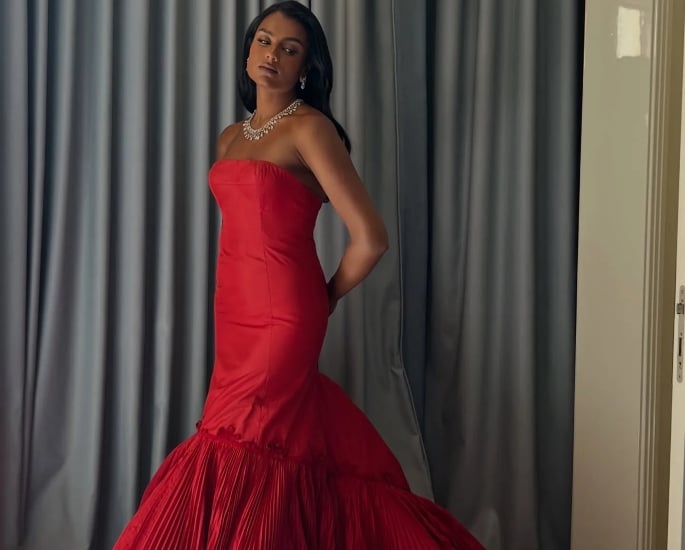
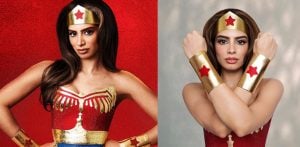
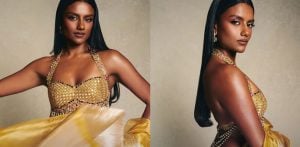
Simone Ashley has earned recognition for her increasingly experimental red-carpet wardrobe.
Best known for playing Kate Sharma in Bridgerton, Ashley has attracted further fashion attention through her involvement in The Devil Wears Prada 2.
Working with stylist Rebecca Corbin-Murray, she has embraced archival fashion rather than relying exclusively on current runway collections.
Her wardrobe has featured vintage Thierry Mugler, early-2000s designs and a Nicolas Ghesquière-era Balenciaga parachute jacket.
These choices combine nostalgic references with sharp tailoring, graphic minidresses and unexpected proportions.
Unlike celebrities who repeatedly adopt similar silhouettes, Ashley moves between statement pieces and more understated looks.
Vogue India also highlighted her willingness to support lesser-known designers alongside established fashion houses.
The publication’s styling guide draws attention to her embellished matching sets, particularly coordinated skirts and blouses.
These pieces offer the drama of eveningwear while remaining versatile enough to be worn separately.
Ashley’s inclusion also highlights the growing visibility of British South Asian performers within international fashion.
Sonam Kapoor Celebrates Indian Craftsmanship
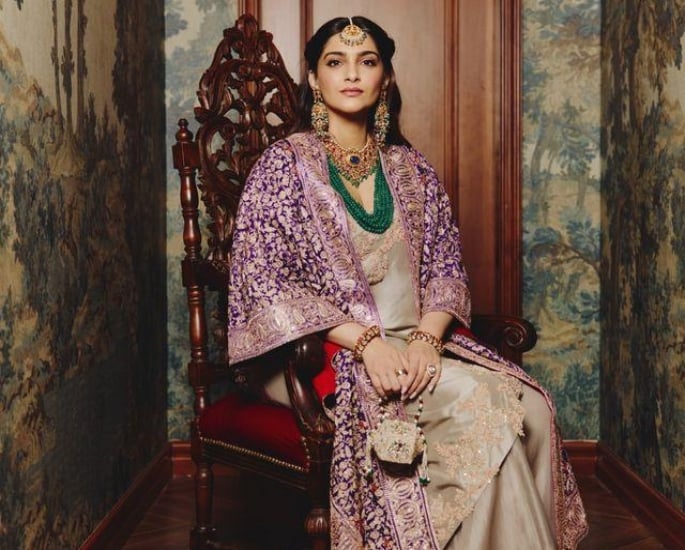
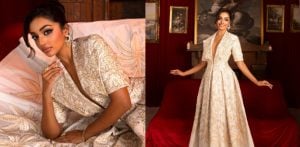
Sonam Kapoor remains one of Indian cinema’s most influential fashion personalities, despite making relatively few public appearances during 2026.
Her inclusion reflects a longstanding commitment to Indian designers and traditional craftsmanship.
Vogue India highlighted her appearance at cousin Anshula Kapoor’s July wedding, where she wore a custom Anamika Khanna cape featuring elaborate gold patterns and paisley motifs.
The garment reportedly took six months to create.
Throughout the year, Kapoor also wore designs by Abu Jani Sandeep Khosla, Gaurang and Jigya.M.
Her preference for richly embroidered ensembles, dramatic jewellery and traditional silhouettes continues to distinguish her from more minimalist celebrity wardrobes.
The publication’s styling guide encourages readers to take inspiration from her regal approach, combining ornate Indian separates with statement accessories.
Her recognition demonstrates that traditional clothing can remain relevant within contemporary luxury fashion.
Priyanka Chopra Jonas Makes a Statement
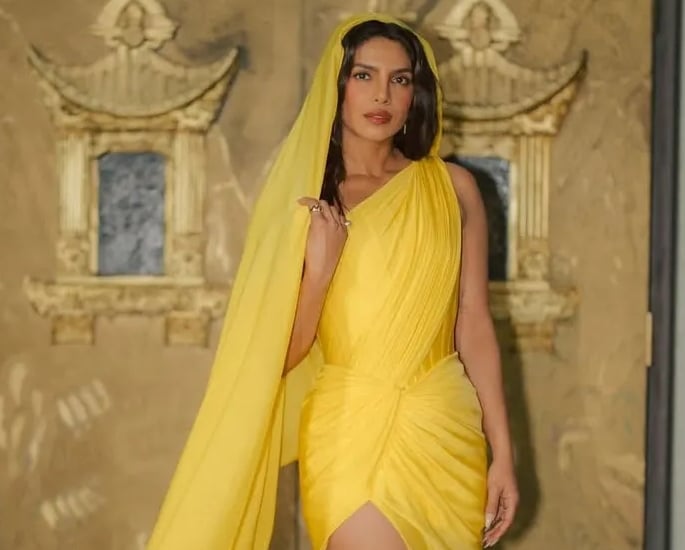
Priyanka Chopra Jonas was another prominent name included in the Global category.
The actress has become known for dramatic red-carpet outfits that combine international couture with Indian design.
One of her standout appearances featured a pale green Nicolas Jebran gown accompanied by an oversized blush-pink organza stole at Bvlgari’s Eclettica collection unveiling in Milan.
She also celebrated Indian craftsmanship at the Gold Gala in Los Angeles, wearing an Amit Aggarwal creation made from a 20-year-old chikankari sari.
Elsewhere, Chopra Jonas wore a bright yellow Gaurav Gupta sari gown during promotions for The Bluff.
Her choices demonstrate how traditional Indian textiles can be reinterpreted through contemporary couture.
Other Stars Who Made the List
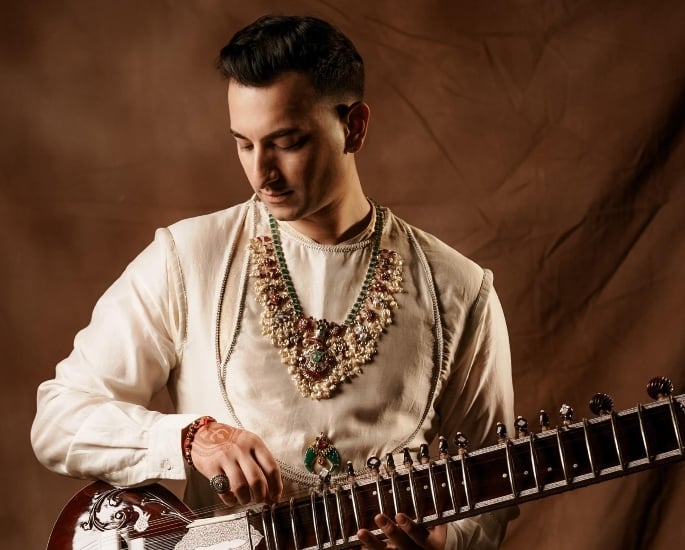
Rishab Rikhiram Sharma
The sitarist was recognised for embellished capes, dramatic Indian silhouettes and statement jewellery.
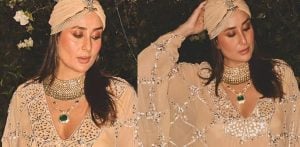
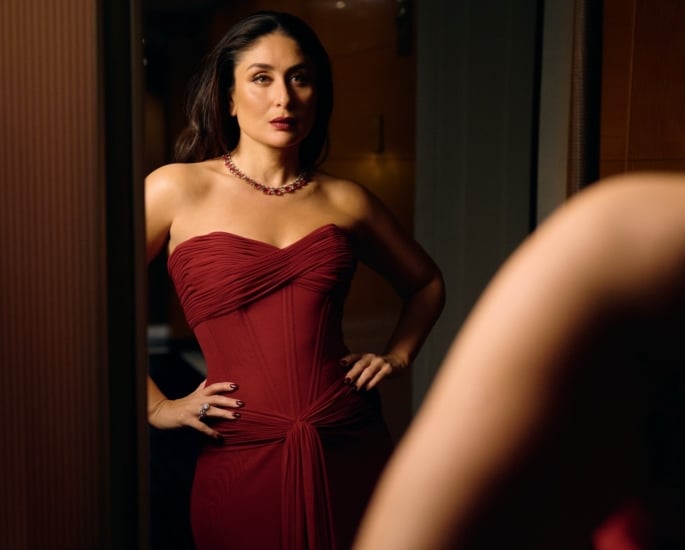
Kareena Kapoor Khan
Her vintage couture choices and modern interpretations of classic Indian cinema fashion secured her a place.
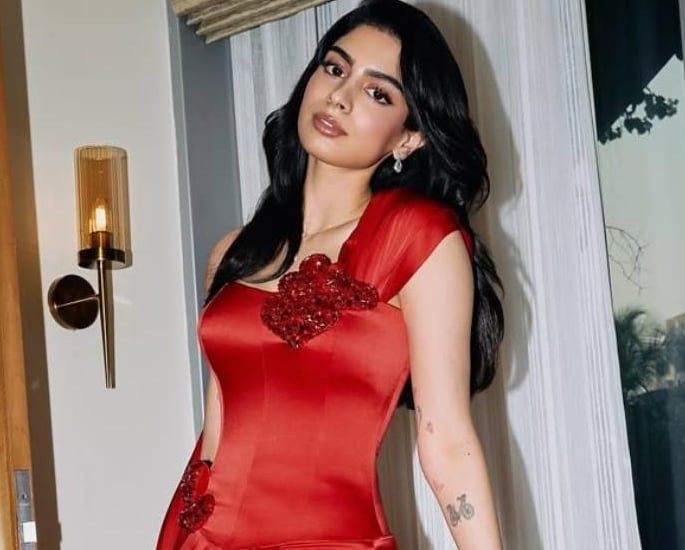
Khushi Kapoor
Her nostalgic wardrobe combines Y2K references, corsetry, denim and luxury accessories.
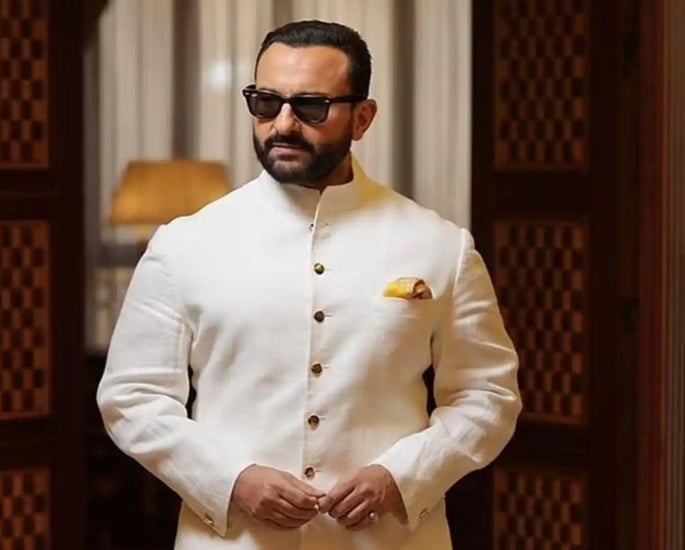
Saif Ali Khan
The actor’s effortless mix of sharp tailoring, traditional Indian outfits and casualwear earned recognition.
Other names featured include Alia Bhatt and Neetu Kapoor, Anoushka Shankar, Natasha Poonawalla, Ekta Rajani and Indian cricketer Kranti Gaud.
The breadth of the list shows how fashion influence now extends well beyond Bollywood and traditional celebrity circles.
A Shift Towards Individual Style
Vogue India’s 2026 selections suggest that personal identity is becoming just as important as designer labels.
Diljit uses fashion to express Punjabi identity, while Ashley combines international runway influences with an appreciation for archival pieces.
Sonam continues to champion Indian craftsmanship, and Chopra Jonas frequently brings traditional textiles into international couture.
The list also recognises younger personalities experimenting with gender-neutral dressing, vintage fashion and unconventional accessories.
For South Asian fashion, this represents a broader movement towards wearing cultural references without restricting them to traditional occasions.
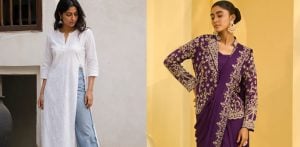
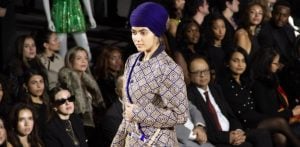
Saris, turbans, embroidered jackets and Indian jewellery are increasingly appearing alongside contemporary tailoring and luxury streetwear.
Vogue India’s recognition of these personalities places that approach at the centre of its 2026 fashion conversation.
The message from this year’s Best Dressed list is clear: the most memorable looks are not necessarily those following the biggest trends, but those that reveal something distinctive about the person wearing them.