
















































"So they're not overwhelmed by the situation or by the IPL"
One IPL performance can now turn young Indian cricketers into overnight stars, placing them under intense public attention far earlier than previous generations.
For many emerging players, the league has become a gateway to fame, financial success, and national recognition.
Young cricketers who were relatively unknown can suddenly find themselves leading headlines, trending across social media and becoming recognised by millions of fans after just one breakthrough moment.
However, rapid fame also brings a very different kind of pressure.
Young Indian cricketers are no longer judged only on runs, wickets or match performances. Social media reactions, online criticism, sponsorship visibility, and public image now shape how players are viewed both on and off the field.
The modern IPL environment has therefore created an important debate.
Is the league producing mentally stronger and fearless young stars, or exposing them to intense pressure too early in their careers?
How IPL changed Cricket Stardom
The IPL has dramatically altered how young Indian cricketers rise through the sport.
Previous generations often spent years developing in domestic cricket before receiving widespread recognition, giving them more time to mature away from constant national attention.
The IPL has shortened that process significantly.
Young Indian cricketers can now become household names after only a handful of performances. Massive television audiences, viral clips and social media engagement have increased the visibility surrounding every IPL season.
According to JioStar, the IPL reached 1.19 billion viewers across television and digital platforms. That scale of attention naturally increases scrutiny on players performing under the spotlight.
The league has also changed how talent is viewed in India.
Young players are now expected to play aggressively, dominate experienced bowlers, and entertain audiences immediately. Fearless cricket has become closely associated with modern T20 success.
This shift has helped several young Indian cricketers adapt quickly to international cricket.
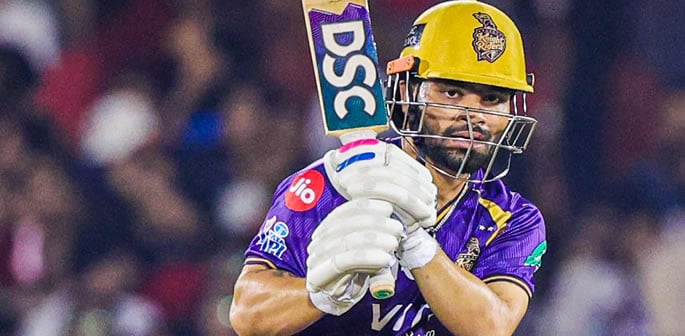
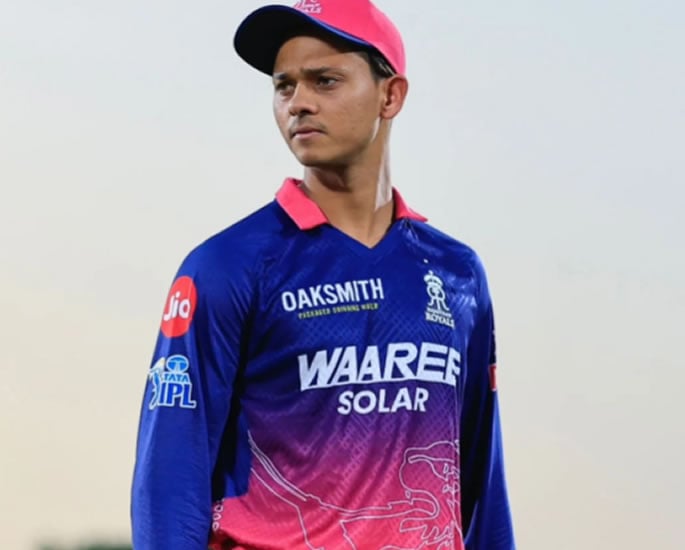
Players such as Yashasvi Jaiswal, Tilak Varma, and Rinku Singh showed confidence against elite opposition early in their IPL careers despite their relative inexperience at the highest level.
The IPL’s dressing-room environment has also accelerated player development.
Youngsters regularly train alongside international stars, experienced coaches, and senior Indian cricketers. Exposure to high-pressure situations at an early stage can improve tactical understanding and self-belief.
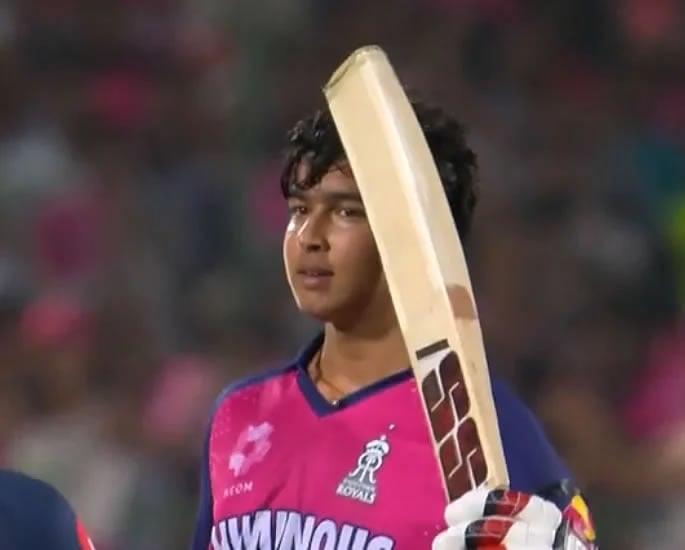
KL Rahul praised this mentality while discussing the new generation of Indian batters, specifically highlighting young talents like Vaibhav Suryavanshi, Ayush Mhatre, Sahil Parik, and Abhishek Puri.
He said: “The special thing about the new boys is that they’re able to execute that in a high-pressure game against really good bowlers and against really good teams.
“So they’re not overwhelmed by the situation or by the IPL or by a big big big platform.”
Social Media Pressure

While the IPL creates opportunities, it has also introduced relentless public scrutiny.
Modern young Indian cricketers operate inside a 24-hour digital environment where every performance is instantly analysed online. A strong innings can trigger widespread praise, while a poor outing may lead to trolling, memes, and abuse within minutes.
Social media has intensified the emotional pressure surrounding modern cricket.
A Cricket Monthly feature described social media as “hotbeds” of harassment for cricketers. The report highlighted incidents involving players receiving racist, religious and personal abuse after defeats or individual mistakes.
Following India’s defeat to Pakistan at the 2021 T20 World Cup, Mohammed Shami faced significant online abuse. Virat Kohli defended his teammate, saying:
“People have no understanding that someone like Mohammad Shami has won India many matches over the years.
“We stand by him fully and back him 200%.”
Kohli also condemned the abuse, adding:
“The lowest level of human potential that one can operate at.”
For young Indian cricketers, this environment can become mentally exhausting.
Earlier generations mainly dealt with criticism through newspapers or television discussions. Modern players face direct and continuous feedback through Instagram, X, YouTube and fan-driven content.
As a result, poor performances are no longer discussed privately within dressing rooms or media panels alone. Reactions now unfold publicly in real time, often placing younger players under emotional pressure before they have fully adjusted to professional cricket.
The line between sporting performance and public judgment has therefore become increasingly blurred.
Young cricketers are now evaluated not only on cricketing ability, but also body language, interviews, celebrations and online presence.
Riyan Parag previously admitted that he placed “way too much pressure” on himself during earlier IPL seasons before learning to focus on “basic things” and approach the tournament like domestic cricket.
This constant visibility can create anxiety and emotional fatigue, especially for teenagers entering professional sport.
Fearless Cricket or Emotional Overload?
One of the biggest debates surrounding young Indian cricketers is whether the IPL is strengthening their mentality or placing too much pressure on them.
Supporters of the league argue that exposure to elite competition develops resilience and confidence.
Many young batters now appear more comfortable taking on world-class bowlers than previous generations. The IPL’s fast-paced environment has encouraged players to embrace risk rather than fear failure.
Mandeep Singh told The Indian Express: “At IPL, young players learn the game and the way to handle pressure.”
The IPL environment has normalised aggressive intent among young Indian cricketers. However, the expectation to remain fearless at all times can also create emotional strain when performances decline.
Young Indian cricketers can become public figures before becoming fully developed professionals. Sponsorships, interviews, and social media attention may arrive long before emotional maturity does.
This creates an environment where temporary dips in form can quickly become national talking points.
A player may be labelled the “next big thing” after one breakthrough season, only to face criticism months later if performances decline.
Prithvi Shaw‘s story shows how quickly cricket fame can change.
Once regarded as one of India’s brightest batting talents, Shaw experienced immense hype early in his career. Injuries, poor form and fitness concerns later placed him under growing public scrutiny.
His situation reflects how modern cricket fame can rapidly shift from celebration to criticism.
When Young Stars become Public Brands

The IPL has also changed the commercial identity of young Indian cricketers.
Players are no longer seen only as athletes but also as public personalities shaped by sponsorships, branding, and social media visibility.
This creates additional pressure away from cricket itself.
A strong IPL season can lead to endorsement opportunities, rapid follower growth and wider celebrity recognition. While this offers financial security, it also brings added pressure away from cricket itself.
Young players are now expected to manage both sporting performance and public visibility simultaneously.
The relationship between cricket and celebrity culture has become especially noticeable in the IPL era.
Franchise content, interviews, behind-the-scenes footage, and social media clips keep players constantly visible to fans. Even practice sessions and dressing-room moments can quickly become viral content online.
Virat Kohli also spoke about the growing lack of privacy modern cricketers experience during the IPL.
Speaking on the RCB Podcast, Kohli criticised the constant camera attention surrounding players during training sessions and behind-the-scenes content production.
“You walk to practice, and you have six cameras following you.
“It’s not a comfortable feeling at all.
“As a sportsperson, you need the ability and the freedom to work on your game in peace.”
His comments highlighted how modern cricketers are expected to perform not only during matches but also under constant public visibility away from the field.
For younger players entering this environment, adjusting to fame can become as challenging as handling fast bowling or high-pressure chases.
The IPL has undoubtedly changed the journey of young Indian cricketers.
The league has produced fearless talent, accelerated development and expanded opportunities for players across India. Exposure to elite competition at a young age has helped several cricketers transition smoothly into international cricket.
At the same time, fame now arrives earlier and more intensely than ever before.
Young Indian cricketers are developing inside an environment shaped by instant reactions, viral moments and constant public judgment. Expectations no longer build gradually over time.
Instead, they can appear after only one successful performance.
For many cricket fans, this pressure feels increasingly personal because IPL cricket is now deeply connected to identity, fandom and emotional investment.
The challenge for Indian cricket moving forward may therefore be balancing opportunity with protection.
The IPL continues to create remarkable young stars, but modern cricket increasingly demands emotional resilience as much as sporting talent.