















































“I think inclusivity matters.”
Actor Navin Waqar has urged greater religious representation on Pakistani television while portraying a Hindu woman on screen.
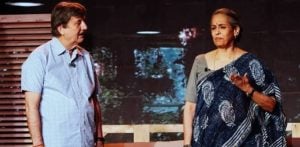
She shared her views while discussing her role in Case No. 9 during an interview on Gup Shup with Fuchsia.
Waqar explained that accepting the role felt both necessary and long overdue within Pakistan’s mainstream entertainment landscape.
In the Geo Entertainment drama, she plays Manisha, a Hindu woman navigating a morally complex and emotionally charged situation.
Manisha is married to Rohit, the only eyewitness in a sensitive rape trial central to the storyline.
The drama places Rohit in a conflict as he balances loyalty to a friend against the responsibility of telling the truth.
Waqar described her character as someone who refuses to compromise and firmly supports the survivor seeking justice.
She said representation matters because minorities are an integral part of society and deserve authentic portrayals.
Waqar emphasised the importance of reflecting social diversity on television, saying:
“I think inclusivity matters.”
Written by Shahzeb Khanzada, Case No. 9 centres on a rape survivor portrayed by Saba Qamar.
The survivor’s pursuit of justice unfolds within a deeply flawed system, exposing harsh realities faced by victims.
Faysal Quraishi appears as Kamran, while Aamina Sheikh portrays the lawyer representing the survivor.
The drama has received praise for its bold narrative and unflinching depiction of uncomfortable social issues.
Within this intense storyline, Manisha becomes a moral compass, challenging silence and misplaced loyalties.
Waqar noted the show also highlights the issue of false blasphemy accusations prevalent within society.
She stressed the importance of acknowledging realities rather than avoiding them.
Waqar said: “This is very common.”
She explained that portraying these themes responsibly can encourage reflection and meaningful dialogue among viewers.
Waqar revealed that her role sparked questions online, including curiosity about her character’s religious appearance.
Some viewers questioned why Manisha did not follow stereotypical visual markers often associated with Hindu women.
Waqar clarified that her character was designed to avoid caricatures and reflect lived realities.
She explained that many Hindu families observe customs privately rather than displaying them publicly.
Despite initial concerns, Waqar said feedback from Hindu viewers was largely positive and encouraging.
What resonated most was when audiences stopped defining Manisha by religion alone.
“At one point, they forgot who Manisha was.”
She expressed happiness that viewers began judging the character by actions rather than identity.
Navin Waqar believes this shift reflects progress toward empathy and inclusive storytelling on Pakistani television.