










































Where exactly in Punjab is this taking place?
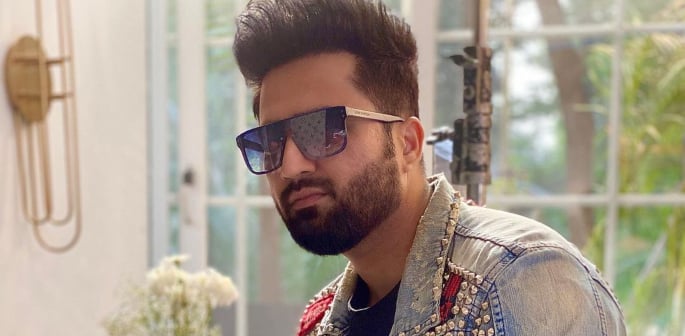
Singer Falak Shabir has sparked considerable online debate after sharing an unusual request directed at Punjab Chief Minister Maryam Nawaz on Instagram.
In a story posted to his account, the singer and husband of actress Sarah Khan called for a law against short dresses being worn in public spaces.
He claimed that people were wearing “short dresses in the bazaars and streets” and expressed deep concern about what this meant for Pakistan’s cultural identity.
The singer wrote: “As a father of two daughters, I humbly request Madam CM Maryam Nawaz please make a law against those who wear short dresses in public places — bazaars and streets.
“Otherwise we will all be destroyed culturally.”
The post immediately raised more questions than it answered.
It left many netizens genuinely puzzled about the specific situation prompting such a passionate appeal.
The most pressing question being asked across social media was a simple one: where exactly in Punjab is this taking place?
Those who live in and move through Punjab’s cities and towns have found themselves struggling to picture the streets Falak appears to be describing in his post.
He did not specify whether he was referring to women, men or any particular group, which added yet another layer of confusion to the already baffling request.
Some online interpreted his concern as being directed at women in short clothing, while others argued the post could equally be read as referring to men in shorts.
The debate around men wearing shorts in public is itself a recurring and contentious topic in Pakistan that resurfaces periodically across social media.
His invocation of his two daughters in the appeal also left many commenters uncertain about what connection he was drawing between them and the issue at hand.
The reaction online to his request has been as varied, divided and colourful as one might expect from a social media post of this particular nature.
One section of the internet expressed full support for his stance.
They were pleased that someone was publicly raising concern about what they see as a cultural matter deserving attention.
Another group pushed back on those calling the post misogynistic.
They pointed out that Falak never explicitly mentioned women and therefore the gendered reading was an assumption.
A more literal-minded group genuinely wondered if he was simply concerned about men in shorts.
Another section of the internet expressed straightforward and total bewilderment about what precisely prompted this sudden concern.
Pakistan’s relationship with questions of dress code, public morality and state regulation is a long and complicated one.
Falak Shabir’s social media activity is followed closely by a large audience.
Whether he intended to spark this level of debate or was simply sharing a passing concern is unclear from the post itself.