







































“With the technology we have, they can literally cook with this."
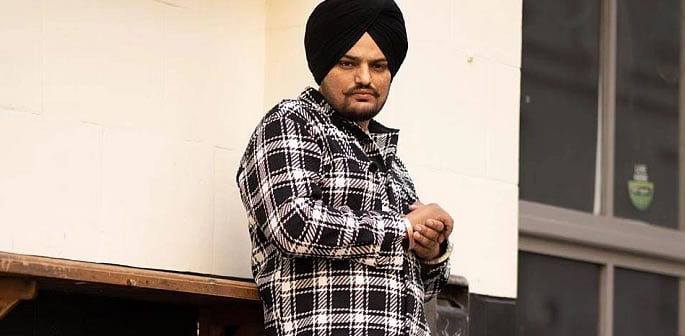
A posthumous world tour featuring a digitally recreated Sidhu Moose Wala is set to launch in 2026, taking place four years after the Punjabi rapper was shot dead.
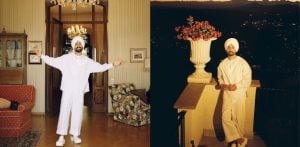
Titled Signed to God, the show will use hologram and AI technology to project a life-like version of the artist. Performances are being planned for Indian Punjab, Toronto, London, and Los Angeles.
Moose Wala’s team said the tour would be “an immersive experience that feels just like watching him live”.
If successful, it would mark the first time a South Asian artist has toured posthumously on such a global scale.
The announcement has sparked both excitement and concern among fans, many of whom still view his legacy as sacred.
Some online welcomed the news as a fitting tribute.
One wrote on X: “I was never a Sidhu fan but the way his legacy is being managed deserves serious credit.
“Keeping his momentum alive more than a year after his death isn’t easy; it’s something worth studying.”
Another wrote: “With the technology we have, they can literally cook with this.
“It will be too sick, with all the guest appearances, especially. Hope they execute it well, because if done so, it will be one for the books.”
The use of AI and holograms in live performances is not new.
Tupac Shakur’s hologram performance at Coachella in 2012 and Michael Jackson’s 2014 Billboard Awards appearance set precedents. Cirque du Soleil’s Immortal World Tour also featured Jackson in digital form.
View this post on Instagram
However, Signed to God stands out as a landmark moment for Punjabi and South Asian music but not everyone is comfortable with the concept.
Critics argue the tour may contradict the values Sidhu Moose Wala stood for during his life. Known for retaining creative control, he launched his own label, oversaw visuals, and carefully curated his image.
On Reddit, one person said: “How much milking is left? This is too much.
“And people are going to buy these tickets. If this is not late-stage capitalism, then I don’t know what is.”
Another comment read: “Such artists lived, created and passed. They deserve to rest in peace, not be mocked after their passing for the entertainment of people who never knew them personally or the profit of executives who likely never cared.
“A machine can’t capture the soul, intent or spontaneity of a human being; it just mimics.
“At some point, it stops being art and starts being mockery.”
Others have echoed these concerns, questioning whether a digital recreation could ever do justice to the raw, emotional depth of Moose Wala’s music.
While the technical aspects of the show are expected to be visually striking, the debate continues over whether this is a tribute, a commercial venture, or both.
Moose Wala’s music tackled themes of displacement, marginalisation, and political defiance. His songs were often described as the voice of the working class and the diaspora.
That’s something fans fear can’t be replicated by an algorithm.