















































Within Indian cooking, cream serves as the final touch
Indian cooking is packed with dairy and if you are vegan, it can be difficult to find dairy-free alternatives.
The cuisine is filled with a rich array of flavours and textures.
However, a lot of dishes contain dairy, whether it is ghee, yoghurt or butter.
Finding dairy-free alternatives can be challenging due to such ingredients potentially compromising the flavour.
Fear not, as we will guide you through the process of swapping out dairy from your Indian food pantry, without compromising on authentic flavours and textures.
Whether you’re a seasoned vegan or just starting your plant-based journey, this guide will offer guidance on the dairy-free alternatives to transform your Indian cooking.
Ghee
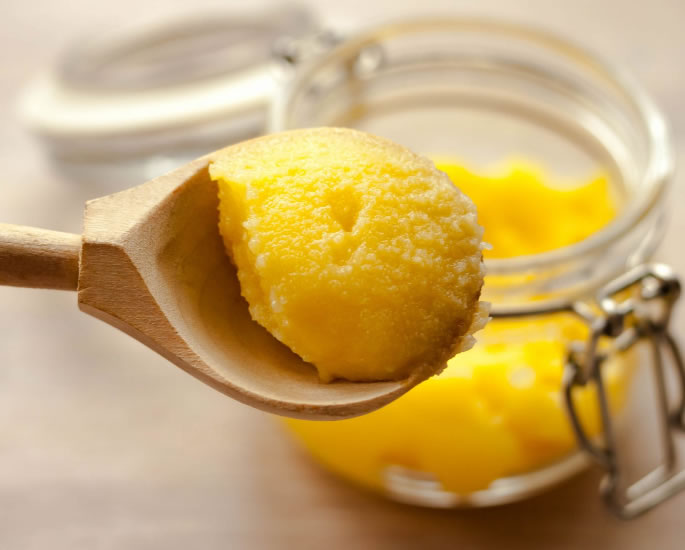
Ghee, an ancient Indian fat, solidifies at room temperature, imparting a nutty flavour as milk solids brown.
While not vegan, vegetable oil or vegan block butter can be suitable alternatives.
Refined coconut oil, with a similarly high smoke point, makes an excellent substitute, but avoid unrefined versions for a coconut-free dish.
Another option is vegetable shortening, though choose low-trans fat varieties to avoid health concerns associated with hydrogenated oils.
Cream

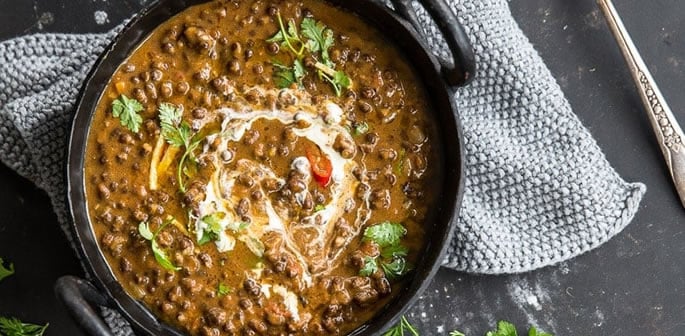
Within Indian cooking, cream serves as the final touch, enhancing the richness and flavour of many dishes.
Dishes include daal, paneer makhani and desserts like Indian fruit cream.
For vegans seeking a dairy-free alternative to cream, coconut milk is a popular choice due to its comparable density, but its flavour may not complement certain dishes.
Save coconut milk for South Indian recipes, where it is a common ingredient and frequently aligns with vegan preferences.
In North Indian curries, soups, or daal, opt for other plant-based substitutes.
Soy and oat creams, readily available in most supermarkets, prove excellent choices.
Alternatively, think about making your own.
Soy cream is time-consuming so almond and cashew creams are the easiest vegan alternatives.
Naan

Naan is renowned for its pliable and soft texture, typically cooked in a tandoor.
To enhance both softness and flavour, milk or yoghurt is commonly incorporated into naan dough across various culinary traditions.
Finding dairy-free naan in British supermarkets, especially smaller local ones, can prove challenging.
Even when available, store-bought options often contain non-natural preservatives and additives.
If you’re exploring alternatives, a chapati or paratha can be a suitable choice.
Though not identical to naan, they are more commonly used in Indian kitchens for everyday meals.
For those yearning for the soft, fluffy texture of naan, crafting your own is a straightforward endeavour.
Substitute cow’s milk with unsweetened almond or soy milk for excellent results. If incorporating yoghurt, any non-dairy option will suffice, as long as it isn’t coconut-based or flavoured.
Yoghurt
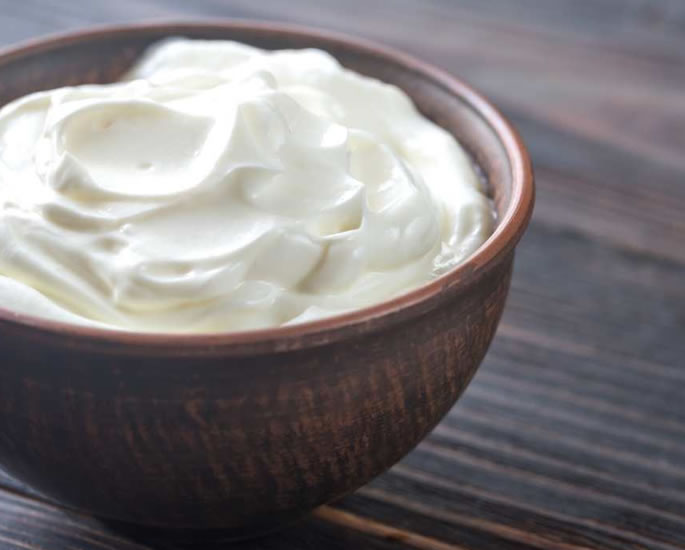
Yoghurt serves as both an acid and flavour enhancer in many Indian kitchens, forming the base for gravies in dishes like kadhi or marinades for paneer (or tofu) tikkas.
While cow’s milk yoghurt prevails in India, oat or soy versions prove equally effective.
However, it’s advisable to steer clear of coconut yoghurt to prevent an overwhelming coconut flavour in the food.
Crafting your own vegan yoghurt using chickpeas offers a robust option, resulting in a thick yoghurt akin to whole milk.
In the absence of vegan yoghurt, or if making it at home is not feasible, consider substituting yoghurt with tomatoes in various recipes, especially in vegetable gravies.
While the flavour may differ, the end result remains delicious.
Paneer
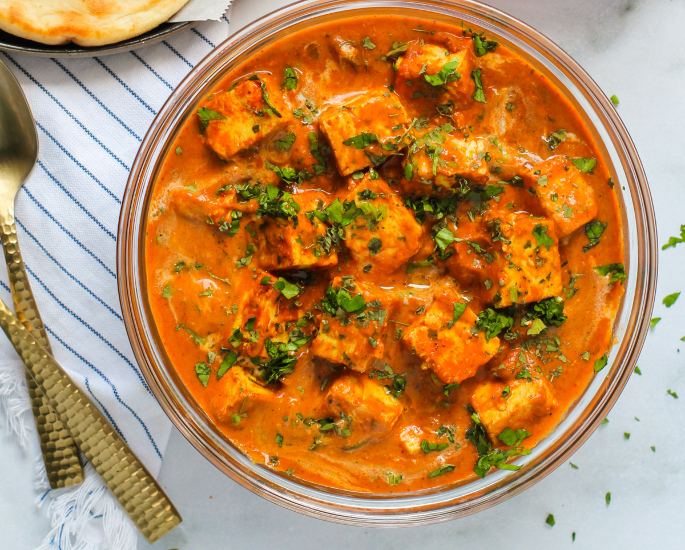
Paneer distinguishes itself from Western cottage cheese with its unique texture and flavour.
Widely embraced by North Indians, paneer takes centre stage in numerous dishes, often serving as a vegetarian alternative to meats like chicken.
Popular choices like paneer tikka, paneer makhani and paneer korma showcase its versatility as a meat substitute in Indian cuisine.
When it comes to dairy-free alternatives, tofu stands alone.
Although it may not replicate the exact taste, tofu proves to be an equally delightful substitute in these dishes.
Paneer is made by coagulating hot milk with an acid such as lemon juice, vinegar or citric acid.
Tofu follows a similar process but involves coagulating soy milk.
Interestingly, in India, tofu is frequently labelled as ‘soy paneer’. This makes it a direct and comparable substitute for one of India’s beloved ingredients.
Milk

For savoury dishes, any commercially available plant-based milk is a suitable substitute.
In Indian desserts, milk plays a significant role, both in its regular form and condensed variations.
Numerous sweets incorporate ghee, milk, and/or condensed milk.
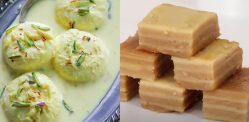
For instance, ras malai features cardamom-flavored malai, a type of clotted cream derived from the milk’s surface, bathed in saffron-infused milk.
Another example is kalakand, a ‘milk cake’ made with sweetened condensed milk.
A dairy-free alternative is to opt for plant-based substitutes such as yuba (tofu skin from soy milk) for ras malai and vegan condensed milk for kalakand.
The advantage of veganising milk-based desserts lies in leveraging the flavours of plant-based alternatives.
Oat, soy, and almond milk seamlessly replace traditional dairy in various recipes. Coconut milk elevates treats like kheer, while almond milk adds a unique dimension to gajar ka halwa.
Butter
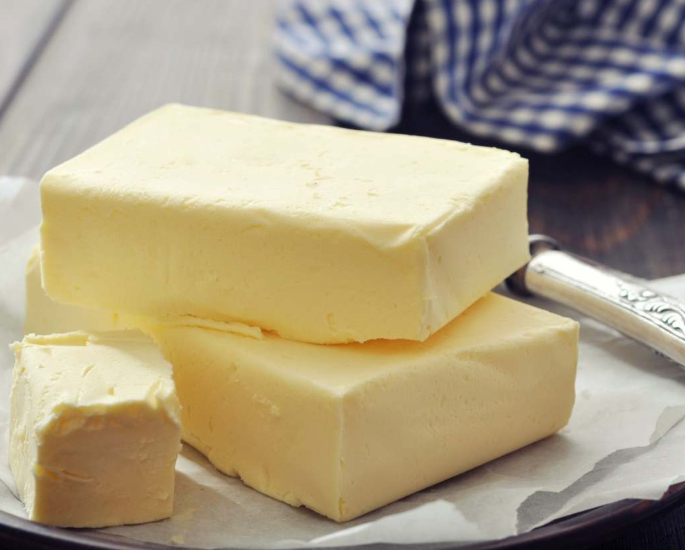
Butter plays a versatile role in Indian cooking, contributing a distinctive flavour to certain dishes.
But it can be challenging to replicate with dairy-free alternatives if you’re aiming for the classic buttery taste.
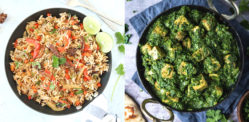
For example, dishes like saag often incorporate a generous topping of butter before serving, allowing it to melt and infuse the dish with rich and flavorful nuances.
It is best to experiment with different dairy-free alternatives when making certain foods.
For example, coconut oil adds a subtle coconut flavour and is best suited for use when making South Indian dishes and curries.
On the other hand, clarified margarine is best used for topping dishes.
Almond, cashew and peanut butter add a nutty taste to dishes and are best for sauces and some curries.
As we conclude our exploration of swapping out dairy from your Indian pantry, we hope this culinary journey has empowered you to embrace the rich and diverse world of plant-based Indian cuisine.
By navigating traditional recipes with innovative dairy alternatives, you’ve witnessed that flavour does not need to be compromised.
Whether you’re recreating classic favourites or venturing into new, exciting dishes, remember that the heart of Indian cooking lies in its ability to adapt and evolve.
So, continue to experiment, savour the aromatic spices, and relish the vibrant tapestry of flavours that vegan Indian cooking has to offer.