


















































Deciding between iOS and Android is often the first choice
In today’s hyper-connected world, the smartphone has become an indispensable tool, serving as our gateway to communication, productivity, entertainment and beyond.
With each passing year, technological advancements offer us an array of new features and functionalities, tempting us to upgrade to the latest models.
However, amidst the excitement of acquiring a new device, it’s all too easy to fall prey to common pitfalls that can leave us feeling dissatisfied or regretful of our purchase decisions.
We delve into five mistakes to avoid when buying a new smartphone.
From overlooking essential specifications to succumbing to flashy marketing tactics, we’ll explore the missteps that can undermine your smartphone-buying experience.
By arming yourself with knowledge and foresight, you can ensure that your next smartphone purchase is not only fulfilling but also tailored to meet your unique needs and preferences.
Let’s dive in and uncover the keys to making a savvy smartphone investment.
iOS or Android
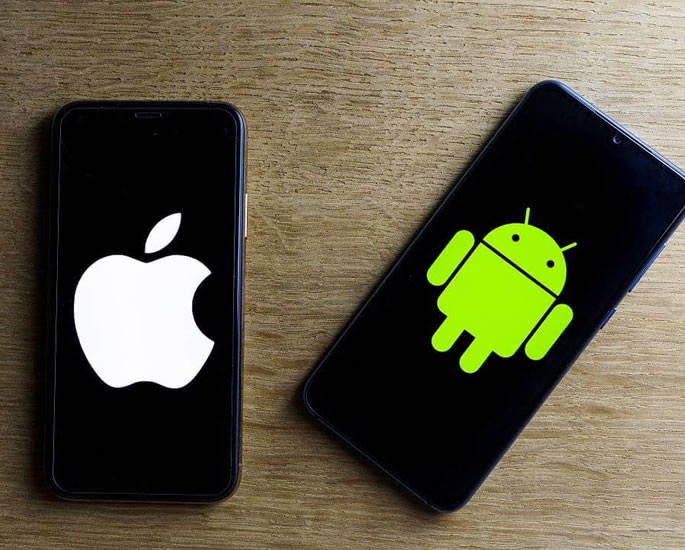
Deciding between iOS and Android is often the first choice you have to make when buying a new smartphone.
It’s not merely about selecting a smartphone, it is about choosing an experience for all your devices.
Whichever path you choose, you need to go down the same path as your smartwatch, tablet or wireless earphones.
On one hand, there’s the sleek and minimalist allure of Apple’s iOS, offering an intuitive user interface and seamless integration with a plethora of other Apple products.
It appeals to those who value a controlled and refined ecosystem where functionality is seamless.
On the other hand, Android presents a landscape of customisation and adaptability. Users are free to customise and fine-tune their devices to their heart’s desire.
Android accommodates a wide variety of devices, ranging from budget-friendly options to top-tier flagships, ensuring inclusivity.
Android may offer innovation but it can also result in fragmentation and a less standardised user experience.
Set a Budget
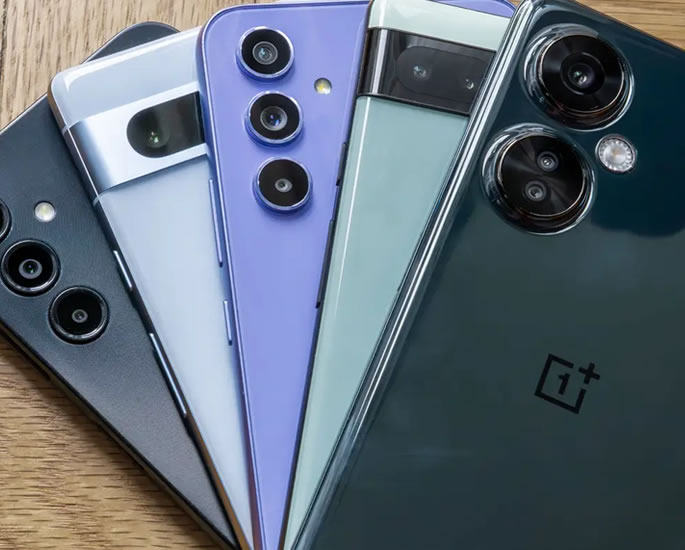
It is important to set a budget when buying a new smartphone.
In an ideal world, we would all buy the latest devices.
However, the constraints of our bank accounts compel us to make more prudent choices. After all, the price tags of the latest flagships often soar beyond £1,000.
Establishing a budget necessitates a clear-headed evaluation of what you can feasibly afford without jeopardising other financial obligations.
It’s about pinpointing that equilibrium where affordability intersects with functionality, ensuring you acquire the necessary features without enduring a financial strain.
Furthermore, it’s crucial to resist succumbing to impulsive buying urges and the allure of marketing campaigns.
Manufacturers and service providers excel at portraying the newest model as indispensable, exploiting our anxieties about missing out.
Yet, frequently, the latest smartphone isn’t a necessity, a budget-friendly alternative can serve just as well.
By defining and adhering to a budget, you equip yourself to make decisions grounded in value and practicality, rather than being swayed by transient trends.
Old vs New

Undoubtedly, the temptation of acquiring the newest smartphone model is undeniable.
With each release comes promises of technological leaps, enhanced performance and the prestige of owning the latest gadget.
But does the latest model truly justify its acclaim?
Frequently, disparities between successive generations are marginal – slight enhancements in speed, camera capabilities or battery longevity that fail to fully validate the premium price.
Choosing an older model can prove to be a shrewd decision.
Not only is it a more budget-friendly option, but it also presents a device refined through software updates and real-world usage feedback, ironing out any initial glitches or idiosyncrasies.
The key is to assess your needs objectively.
If the latest features don’t dramatically impact your usage, an older model can provide the perfect blend of performance and savings.
Picture the features you Value Most

When buying a new smartphone, it’s easy to get swept away by an extensive array of features.
Manufacturers present their devices as versatile tools of technology, boasting capabilities ranging from 8K video recording to instantaneous language translation.
Yet, it’s imperative to take a step back and assess which features genuinely complement your lifestyle and usage habits.
Not everyone requires a smartphone with a cinema-quality camera or the capability to run graphically demanding games on the fly.
Reflect on your predominant phone usage. This focused approach ensures that you invest in a device that enriches your life without burdening it with superfluous functionalities.
If photography is your primary interest, prioritise a smartphone renowned for its camera quality and image processing prowess.
For gaming enthusiasts, seek out a phone equipped with a high-refresh-rate display and robust processing capabilities.
By pinpointing the features that are most important to you, users can sidestep paying a premium for bells and whistles that, while impressive-sounding, offer minimal practical utility in your day-to-day activities.
Buying Outright vs on a Contract

The decision to buy a smartphone outright or sign up for a contract is a financial dilemma.
Purchasing a phone outright can be a daunting upfront expense, but it grants you the freedom of ownership and the flexibility to switch carriers or plans as you see fit.
On the other hand, opting for a contract can soften the blow of a high sticker price, spreading the cost over months or even years.
It’s an appealing option for those who prefer a more manageable monthly expense, but it comes with its caveats.
Contracts often include interest, fees and the potential for overpaying for the device in the long run. Moreover, they can limit your flexibility, binding you to a single carrier or plan.
Where you live might even play an important factor.
In the US, it’s uncommon to buy a phone outright. Carriers offer deals that can get you to sign up for them. Manufacturers even encourage you to go through a carrier if you buy from them.
In the UK, it’s easier to buy a phone outright, and monthly plans are often less competitive. Above all else, pick what makes the most financial sense for you.
In the ever-evolving landscape of smartphone technology, making an informed purchasing decision is paramount.
By considering these five factors, you can navigate the smartphone market with confidence and clarity.
You can ensure that your next smartphone purchase is a rewarding investment, tailored to meet your specific requirements and preferences.
Armed with knowledge and foresight, you’ll be equipped to select a device that seamlessly integrates into your life, enhancing your productivity, communication and overall mobile experience.