






























“Audiences are particularly unforgiving if it challenges their expectations"
The BBC has been warned to stop “tick box” diversity casting in its dramas after a damning internal review highlighted widespread concerns over authenticity.
According to the report, representation can feel forced and even counterproductive when applied without care, particularly in period dramas or contexts that clash with historical or narrative reality.
Viewers, it suggests, are quick to reject portrayals that feel imposed rather than earned, creating the risk of alienating audiences rather than engaging them.
For British South Asian viewers, the findings touch on long-standing frustrations about representation: the need for cultural context, authentic storytelling, and meaningful visibility.
This review challenges the BBC to balance diversity with plausibility, highlighting how casting choices shape the stories told and whose stories get to be seen.
When Diversity Feels ‘Shoe-Horned’
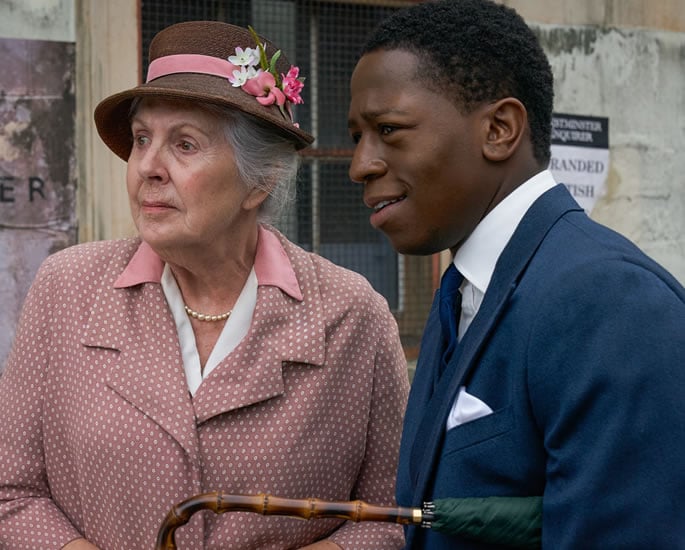
The review warned that some casting decisions are so visibly driven by diversity targets that they can feel jarring or inauthentic. Period dramas were repeatedly cited as a problem area.
The 2023 adaptation of Murder Is Easy incorporated elements of West African Yoruba culture into an Agatha Christie Christmas mystery.
The report noted: “Audiences are particularly unforgiving if it challenges their expectations of what they have switched on to see.
“If there’s an Agatha Christie murder mystery over the Christmas period, they won’t expect to be taken into anti-colonial struggles alongside the country house murder.”
Review authors said that unless handled with exceptional skill, such inclusions risk feeling “overly didactic and preachy”, as though viewers are being lectured rather than entertained.
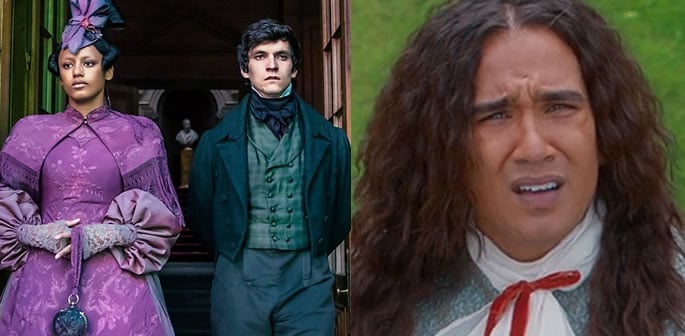
Similarly, Great Expectations faced complaints when mixed-race actress Shalom Brune-Franklin played Estella.
The report argued that colourblind casting in historically rigid settings can unintentionally erase past oppression, creating a false sense of equality in periods where social mobility for ethnic minorities was extremely limited.
The review stressed that authenticity is essential.
Forced diversity, it warned, can feel “clunky” and alienating. Its advice to commissioners was clear: consider each choice carefully, and resist adding diversity simply to tick boxes.
Colourblind Casting
The review does not oppose diversity, but it urges context-sensitive implementation.
It argued that commissioners should feel equally comfortable producing an all-white programme as an all-black one, when the story demands it.
Forced representation, it said, risks undermining both storytelling and credibility.
Modern dramas were scrutinised for plausibility as well as representation.
Shetland was highlighted, where actors of Tanzanian, Sri Lankan, Jamaican, Nigerian, Middle Eastern, and Indian heritage occupy senior law, police, and community roles.
While the actors’ talent is undeniable, the report noted that ethnic minorities are significantly over-represented compared with Shetland’s population: 3.2% of Scotland and roughly 1% of the island.
The report also flagged that viewers sometimes notice when actors of colour appear in improbable roles or locations.
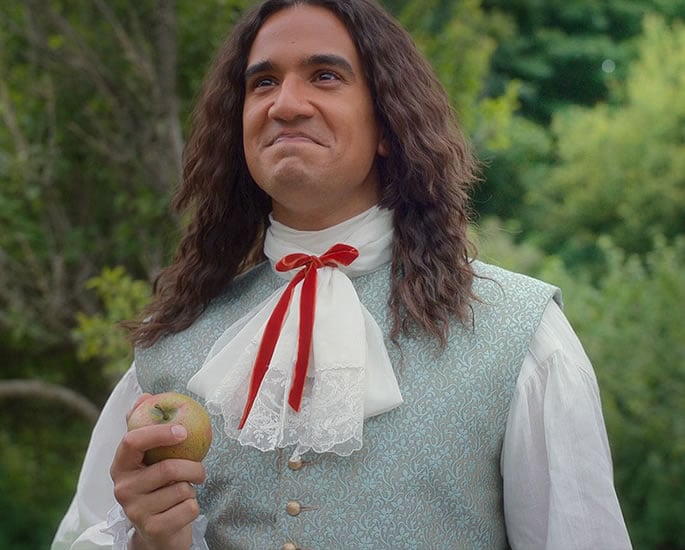
In Doctor Who, Nathaniel Curtis, who has Indian heritage, played Sir Isaac Newton, which drew criticism, but the review defended it:
“If we can ask viewers to believe that the central character is an extra-terrestrial who can regenerate and travel in a time machine, a mixed-race Sir Isaac Newton seems much less of a stretch.”
Likewise, shows like Luther were questioned for whether characters of colour feel divorced from community and context, suggesting roles are sometimes written for white actors and recast without adaptation.
Despite these concerns, the report acknowledged that audiences still enjoy shows like Shetland, indicating that well-cast diversity can contribute to appeal when handled convincingly.
Asian Representation
Diverse casting in BBC dramas is heavily weighted towards Black actors but South Asians remain underrepresented.
Despite comprising 8.6% of the UK population, more than twice the size of the Black population, South Asians were not represented in lead roles.
When South Asian actors do appear, roles are often generic or culturally detached.
Interviewees asked whether characters like Luther’s friends or communities reflect the lived realities of actors of colour.
The report noted that roles are sometimes written for white actors and simply recast without adjustments, limiting authenticity.
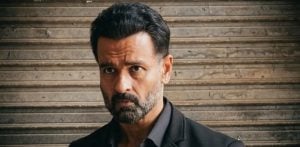
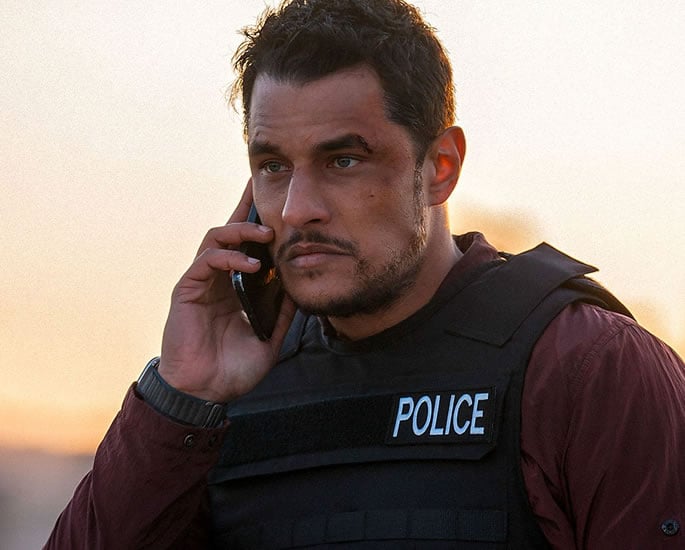
The BBC has made efforts to remedy this with Virdee, a crime drama centred on a British Asian detective in Bradford.
The review also highlighted the absence of East Asian representation, noting there is currently no modern equivalent to David Yip’s pioneering The Chinese Detective (1981–82).
Representation within “diverse” casting remains uneven, the report warned, and more stories rooted in specific communities are needed.
Structural Challenges
The review identified structural weaknesses in the BBC’s approach to representation beyond race.
One recurring issue is that dramas are London-centric. Programmes skew toward metropolitan, middle-class perspectives, misrepresenting the demographics and lived experiences of viewers elsewhere.
London’s population is 46.2% non-white, creating a distorted benchmark for the rest of the UK, particularly in rural or less diverse areas like the Scottish Highlands.
Class representation is another gap.
The BBC relies on protected characteristics under the Equality Act 2010, which excludes class.
Working-class communities are often portrayed through deprivation, crime, or addiction. By contrast, earlier comedies like Only Fools and Horses, Rab C Nesbitt, Bread, and The Royle Family portrayed working-class life authentically and universally.
Recent shows such as Gavin & Stacey, Happy Valley, Alma’s Not Normal, and Mrs Brown’s Boys demonstrate that grounded, positive portrayals are still possible.
Older women remain dramatically underrepresented.
Across entertainment and factual programming, men over 60 outnumber women nearly four to one. Among over-70s, there are 57 men and just 11 women.
The report explained that older men are associated with authority and gravitas, while older women must either maintain youthfulness or develop idiosyncratic personas to remain on screen.
Disability representation is also limited, though some progress is noted.
Viewers with disabilities want inclusion to feel natural rather than central to storylines.
Waterloo Road was praised for featuring Jo Coffey, a school secretary with dwarfism who uses a wheelchair, without making her disability the focus of the narrative.
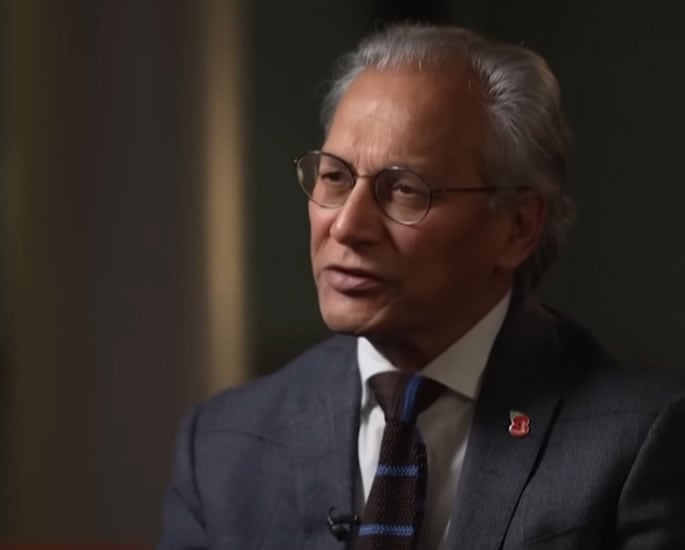
The review, conducted by former BBC executive Anne Morrison and media consultant Chris Banatvala, drew on interviews with over 100 industry figures and a survey of 4,500 members of the public.
Its message is clear: diversity must be authentic, nuanced, and integral to storytelling. Forced or tokenistic inclusion alienates audiences, including ethnic minorities themselves.
Dr Samir Shah, BBC chairman, emphasised: “It is vital the BBC authentically reflects the lives of all the communities, classes, and cultures across the UK.
“Decision-making must happen closer to audiences if we want to ensure that everyone feels represented and that the BBC remains an engine for growth within the creative industries.”
For British South Asian viewers, the lesson is urgent: representation must be meaningful, culturally grounded, and narratively coherent.
Properly implemented, diversity can enhance storytelling, connect audiences to authentic experiences, and finally ensure the BBC reflects Britain in all its complexity.