
















































rescue operations have reached a “critical stage”
The death toll from devastating flash floods in Nepal has risen to 547, as rescue teams continue searching for survivors along the Nepal-Tibet border.
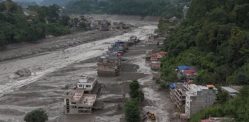
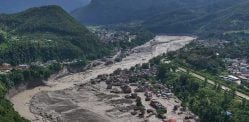
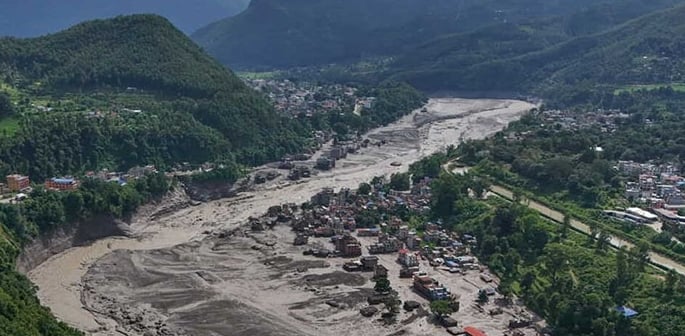
The disaster struck on August 26 after a glacier collapse triggered a huge surge of water, mud and debris through mountainous areas.
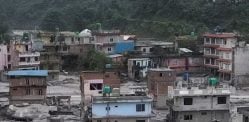
The flooding destroyed homes, roads, bridges and other vital infrastructure, leaving hundreds of people missing across Nepal and Tibet.
Nepalese officials say 547 people have died, while hundreds remain unaccounted for.
More than 100 foreign nationals have also been rescued from the affected region.
Chinese officials have warned that rescue operations have reached a “critical stage” because of the risk of further flooding.
A lake formed after a landslide blocked a river in the Himalayan region, raising concerns that it could overflow.
The potential flooding has complicated rescue efforts and forced teams to carefully assess conditions before entering some areas.
Chinese authorities have deployed emergency teams to support rescue and relief operations in areas affected by the disaster.
In Tibet, five people have died, and 558 remain missing, according to Chinese state media.
It remains unclear whether some of those missing are included in figures reported by Nepalese authorities.
The disaster has also affected large numbers of foreign nationals travelling through the region.
Many were travelling towards Mount Kailash, a destination that attracts Hindu and Buddhist pilgrims from across South Asia and other parts of the world.
Among those reported missing are British, Indian, American, Australian and Canadian nationals.
Families of the missing people have been appealing to authorities for information as rescue teams continue their searches.
The brother of one missing British woman has also appealed to local officials for help locating his sister.
The scale of the destruction has made rescue operations particularly difficult.
Floodwaters damaged roads and bridges, cutting off several areas and making it harder for emergency teams to reach people.
The Nepalese army has been using helicopters and other equipment to reach isolated communities and transport survivors.
Emergency workers are also providing medical treatment to people who have been rescued from the affected areas.
The disaster has left communities facing significant damage to homes and essential infrastructure.
The Red Cross has estimated that around 93,000 people are in urgent need of assistance, including thousands of children.
International support is also being offered as Nepal begins dealing with the scale of the humanitarian crisis.
Officials continue to monitor water levels and landslide risks while rescue operations remain underway.
Authorities are urging people in affected areas to follow safety instructions and remain away from dangerous riverbanks.