
















































At least 2,426 people remain missing
Nepal is facing a renewed flood threat as rescue teams continue searching for thousands of people missing after devastating flash floods struck the country.
More than 600 people have died following Wednesday’s floods, according to Nepalese authorities.
At least 2,426 people remain missing as rescue operations enter their fourth day.
Heavy rainfall is making rescue efforts increasingly difficult, particularly in some of the worst-affected areas.
Emergency teams are struggling to reach communities cut off by floodwater, mud and damaged roads.
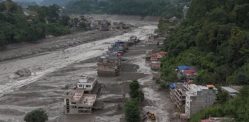
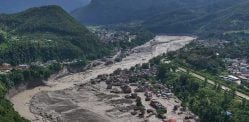
The situation is particularly serious around Nepal’s northern border region, where large areas have been transformed into what officials describe as swampland.
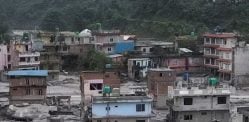
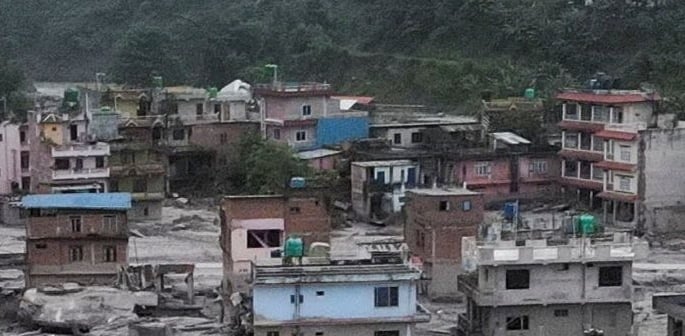
Aerial images show homes surrounded by thick mud, with some buildings destroyed.
Roads and other infrastructure have also suffered extensive damage.
The continuing rainfall has raised fears that further flooding could affect communities already struggling to recover from the disaster.
Rescue workers are searching through damaged areas for survivors and people who remain unaccounted for.
Families across Nepal are waiting anxiously for information about relatives who remain missing.
The missing include hundreds of foreign nationals who were travelling or living in affected areas when the floods struck.
Authorities are working to identify those affected and establish the whereabouts of people who have not yet been accounted for.
The scale of the disaster has made this process particularly challenging, with communications and transport links disrupted across several areas.
Among those rescued was a 97-year-old woman who was found alive in the rubble of a care home.
Rescue teams remain focused on locating others who may still be trapped or stranded in affected communities.
There have also been questions surrounding Nepal’s official casualty figures, with reports from different government authorities not always matching.
Officials have continued updating the figures as rescue operations progress and information becomes available.
The changing numbers reflect the difficulties of collecting accurate information while many areas remain inaccessible.
Meanwhile, reports from Tibet are being monitored through Chinese state media because independent access to some affected areas remains limited.
For families waiting for news, however, the priority remains finding missing relatives and ensuring survivors receive urgent assistance.
With rain continuing in parts of the region, authorities are warning that the danger has not yet passed.
The disaster has left communities facing a long recovery, with homes, roads and essential infrastructure badly damaged.