










































drones could play a “major role” in humanitarian assistance
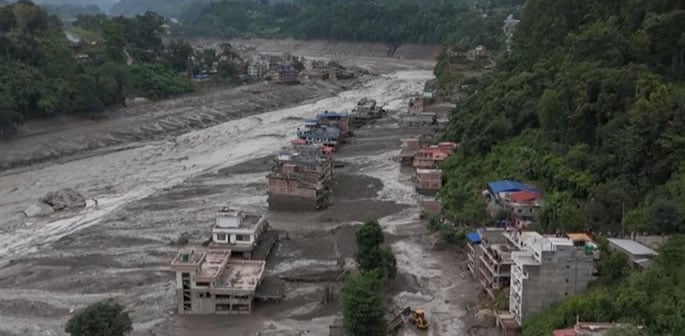
A West Midlands paramedic is raising money to provide emergency drones to a remote Nepalese village following devastating flash floods that have killed more than 1,000 people.
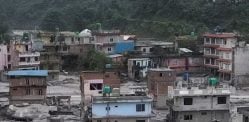
Phil Llewellyn, from Worcester, has launched an appeal to support communities in Kaule, in Nepal’s Rasuwa district.
The drones could help rescue teams locate survivors, search for missing people and deliver essential supplies to remote areas affected by the disaster.
More than 1,000 people have died in Nepal since the floods were first reported on August 26.
More than 3,900 people are also reported to be missing as rescue and recovery operations continue across affected areas.
Kaule was largely unharmed structurally, according to Llewellyn, but the surrounding disaster has had a devastating impact on the community.
Fifteen residents have died, while around 40 people remain missing after being swept away while working in an adjacent valley.
Llewellyn, who works for West Midlands Ambulance Service, said the village’s remote location had made emergency assistance particularly difficult.
He said: “Because it’s such a remote area, it’s taken out most of the infrastructure.”
He explained that quickly finding survivors and delivering essential supplies would be crucial to preventing further deaths.
The fundraising campaign could also support training for local people, allowing communities to use the drones during future emergencies.
Llewellyn said Nepal faces ongoing risks from natural disasters because of its geological location.
The country is vulnerable to floods, earthquakes, landslides and glacial collapses, although such events do not happen frequently in every location.
He said the focus should now extend beyond the current emergency and towards improving disaster preparedness.
Llewellyn has a personal connection to Nepal, having first travelled there around 20 years ago to climb and trek.
During his visits, he developed close friendships with local people and other trekkers.
He also returned to Nepal to help following the devastating earthquake that struck the country in 2015.
At the time, he raised more than £8,000 through Rebuild Nepal, a charity he established to support recovery efforts.
He has now revived the fundraising initiative following the latest disaster.
Llewellyn said the situation was particularly personal because some of those who died or remain missing were people he knew.
Dr Komal Aryal, a Nepalese disaster management expert from Aston University, also supports the potential use of drones.
Aryal previously worked with Llewellyn during the 2015 earthquake response.
He said drones could play a “major role” in humanitarian assistance, particularly across Nepal’s remote mountain regions.
According to Aryal, drones could support disaster preparedness, environmental monitoring and emergency healthcare.
He stressed that the technology would not replace helicopters, satellites, scientists or professional rescue teams.
However, he described drones as “another pair of eyes in the mountains” that could help rescuers locate people and save lives.
The fundraising effort comes as emergency teams continue working across Nepal following the devastating floods.
For remote communities such as Kaule, improved access to technology could provide crucial support during the current recovery operation and future disasters.