
















































The number of people reported missing in Nepal remains at 4,216.
Rescue teams in Nepal are continuing efforts to reach remote communities and workers trapped in hydropower facilities after devastating floods and mudslides swept through the Himalayas.
More than 1,270 people have died following catastrophic flooding across Nepal and neighbouring Tibet, while thousands remain missing.
Nepal’s National Disaster Risk Reduction and Management Authority (NDRRMA) said 1,252 bodies had been recovered as of Thursday.
The number of people reported missing in Nepal remains at 4,216.
In neighbouring Tibet, Chinese authorities have reported 21 deaths and 541 people missing following the disaster.
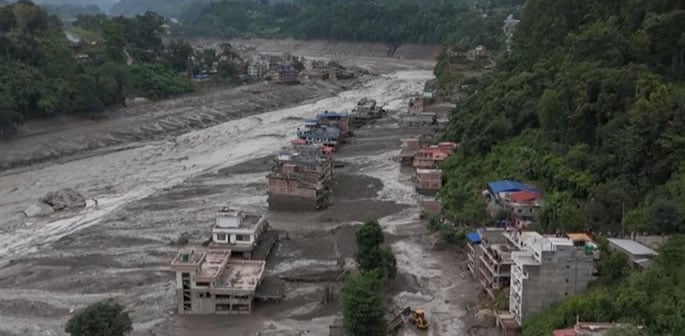
The floods struck last week after a huge cascade of rocks, mud and water swept through communities near the Nepal-China border.
Scientists believe the disaster may have been triggered by a glacier collapse near Langtang Lirung mountain.
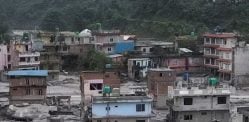
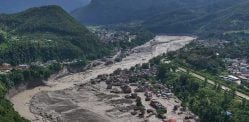
Villages, roads and bridges were among the infrastructure destroyed by the powerful floodwaters and mudflows.
Rescue teams are continuing to search for hundreds of workers believed to be trapped inside hydropower facilities in Nepal.
Some workers are thought to be inside tunnels in Rasuwa district, one of the areas worst affected by the disaster.
Nepalese army engineering officer Sanjay Kc said rescuers still hoped to find survivors inside a hydropower facility.
He said the powerhouse was a large enclosed area and may not have been completely flooded.
Bulldozers have been deployed to clear huge quantities of mud blocking the entrance to tunnels.
Authorities are also using helicopters and zip lines to reach people stranded in remote villages.
The United Nations Development Programme estimates that floods and mudflows have left at least 2.2 million tonnes of debris across affected areas.
Families of missing people continue to gather each morning as rescue operations take place.
Many are still waiting for information about relatives who disappeared during the floods.
Forensic teams in Kathmandu are also working to identify bodies recovered from affected areas.
Authorities have warned that identifying victims is difficult because some bodies have been affected by decomposition.
Tattoos and jewellery can help forensic teams identify some victims when other methods are difficult.
The scale of destruction means thousands of homes will need to be rebuilt across Nepal.
NDRRMA chief Dharma Raj Upreti said around 20,000 houses would need rebuilding.
Around 7,500 homes have reportedly been destroyed.
Officials have warned against rebuilding communities in the same locations because residents could face similar risks in future disasters.
Authorities are therefore looking for safer areas where affected communities could potentially be relocated.