
















































potential “total cultural erasure”.
Birmingham’s Digbeth could lose some of its best-known music and cultural venues if a major railway expansion goes ahead, venue owners have warned.
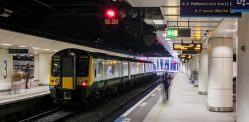
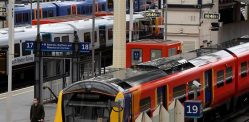
The £1.75 billion Midlands Rail Hub aims to increase rail capacity between Birmingham Moor Street and Bordesley stations.
However, businesses and community organisations fear the plans could result in the closure or demolition of several independent venues across Digbeth.
Under the current proposals, parts of the existing Bordesley Viaduct would be widened, with two new railway platforms also being built.
Network Rail says the project would reduce congestion and allow more services to operate through Moor Street.
Some businesses say their premises could be demolished as part of the redevelopment.
Affected venues could be forced to close or relocate by 2030 if the plans proceed.
Dan Ickowitz-Seidler, co-owner of XOYO Birmingham, said the proposals came as a shock to businesses.
He said there appeared to have been little consideration for venues located along Lower Trinity Street.
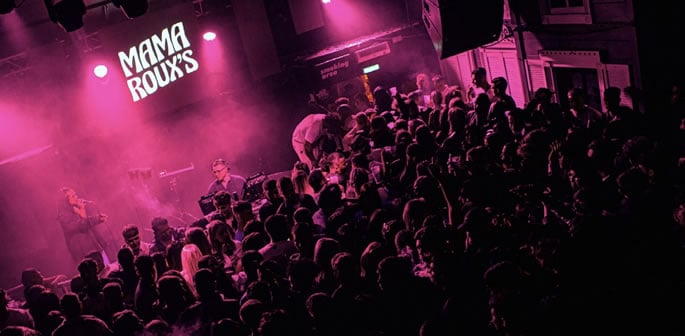
The street is home to venues including Luna Springs, Mama Roux’s and Club Colette.
Digbeth has developed into one of Birmingham’s major destinations for music, nightlife and creative industries.
The area has hosted artists including Jorja Smith, Little Simz, Patrick Topping, PAWSA and Jamie Jones.
Venue operators argue that Digbeth’s cultural identity has developed organically over many years.
Benjy Hill, operations manager at Mama Roux’s, said the area offers a mix of electronic music, live performances, cabaret and jazz.
He also rejected the idea that Digbeth is simply an area filled with nightclubs.
Hill said its independent creative spaces are important to Birmingham’s ability to compete culturally with cities such as London and Manchester.
Mama Roux’s and Club Colette have launched a campaign calling for the venues to be protected.
The businesses described Digbeth as a “launchpad for UK culture” and warned of potential “total cultural erasure”.
They also highlighted their investment in local musicians, performers and grassroots talent.
Venue owners have stressed that they are not opposed to improving Birmingham’s railway network.
Instead, they want alternatives explored that could allow the rail project to continue while protecting Digbeth’s cultural scene.
Hill suggested affected venues could potentially be rehoused collectively.
He argued that keeping venues together would help preserve the atmosphere and connections that make Digbeth’s nightlife successful.
The Warehouse on Allison Street, which is used by Birmingham Friends of the Earth, could also be affected.
Better Streets for Birmingham said the Midlands Rail Hub is important for the future of rail travel across Birmingham and the wider region.
The organisation acknowledged that New Street Station is operating at capacity.
However, it said the proposals could potentially be changed to avoid the loss of buildings.
A consultation on the proposed railway upgrades ended on Friday.
Businesses and community organisations are now hoping their concerns will influence the next stage of the plans.