





































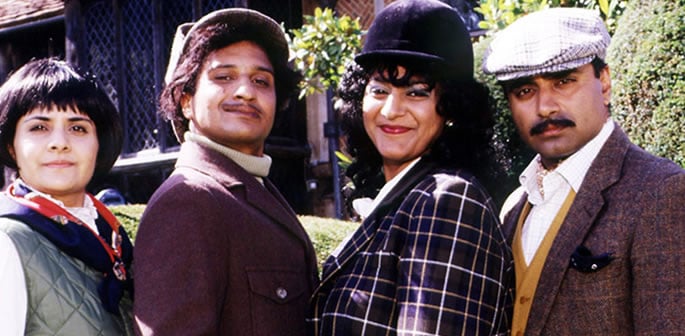
"We've seen ourselves represented in so many bad ways"
Thirty years after its debut, Goodness Gracious Me remains one of the most influential British comedies ever produced.
At a time when British Asian characters were often reduced to stereotypes, the series rewrote the rules by allowing South Asians to tell their own stories on British television.
Its sketches didn’t simply make audiences laugh; they challenged assumptions about identity, race and belonging, changing the direction of British Asian comedy for decades to come.
The groundbreaking BBC comedy gave British Asian performers a platform to satirise both British and South Asian culture from their own perspective.
Three decades later, its influence can still be seen across British television, social media and a new generation of South Asian comedians, making Goodness Gracious Me a defining moment in British Asian comedy.
Taking Ownership of Representation
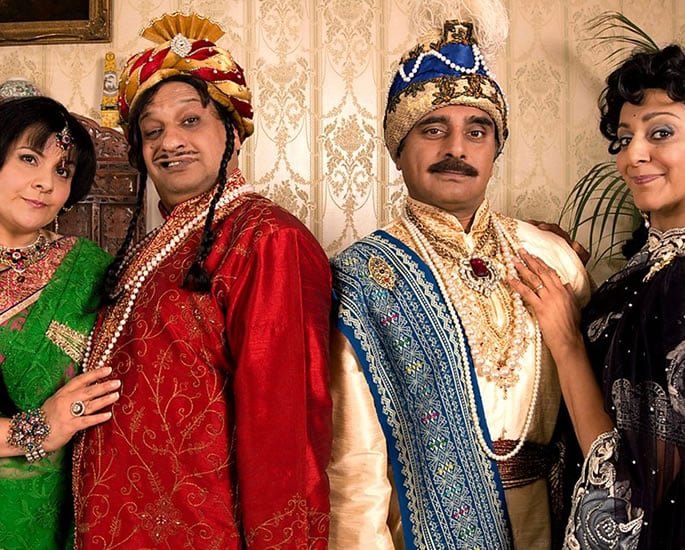
For the cast, changing the way British Asians were portrayed on television was essential.
Rather than relying on stereotypes, Goodness Gracious Me presented British Asian characters as complex, relatable and funny in their own right.
The humour came from lived experiences rather than caricatures, marking a significant shift in how South Asian communities were represented on mainstream British television and influencing the generation of comedians and writers that followed.
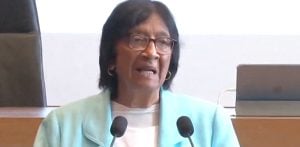
During a panel discussion at the London Film Festival, Dame Meera Syal recalled the negative stereotypes that preceded the programme, such as blackface and mockery of accents.
She said: “We’ve seen ourselves represented in so many bad ways, literally with blackface and the head waggling and the terrible accent, and we felt we wanted to take ownership of all of that.”
Goodness Gracious Me sought to take control of these narratives and subvert stereotypes through comedy. British Asians became the storytellers, using humour to challenge expectations.
Flipping Stereotypes Through Comedy
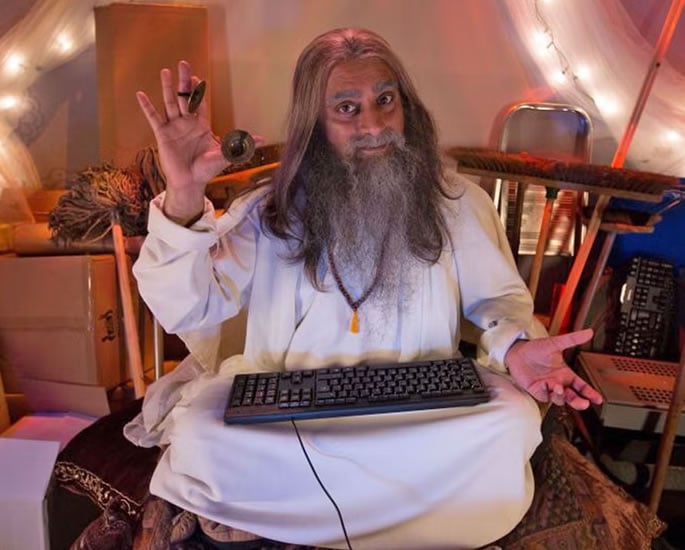
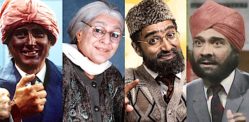
Goodness Gracious Me‘s most memorable sketches reversed familiar stereotypes.
Instead of mocking British Asians, the humour challenged assumptions about British life, as Kulvinder Ghir noted:
“The stereotypes belonged to us.”
A well-known example is the name-pronunciation sketch, in which English names are humorously mispronounced in an Indian workplace.
This concept continues today, as seen with TikTok creator @mirapedal, who performs similar skits with captions like, “pov: I’m your barrister”, mispronouncing English names in a café.
This ongoing joke highlights the shared Asian experience and explains the sketch’s enduring popularity, keeping the spirit of Goodness Gracious Me alive.
Other notable sketches include the bland food segment, where a group of Indians go for an “English”, a reference to the “going for an Indian” phrase.
The comments on flavour and the power dynamics humorously reverse the typical South Asian experience.
Another memorable sketch featured Sanjeev Bhaskar’s character insisting that famous historical paintings had Indian origins.
The joke worked because it deliberately reversed the way history is often presented, placing South Asian culture at the centre rather than the margins.
Instead of laughing at British Asians, audiences laughed at the absurdity of cultural superiority, reinforcing Goodness Gracious Me‘s ability to challenge stereotypes through satire rather than reinforce them.
The humour was intentional and grounded in lived experience.
This perfectly captures what Goodness Gracious Me offered to its audience: relatable comedy deeply rooted in culture.
Real Life Became Comedy
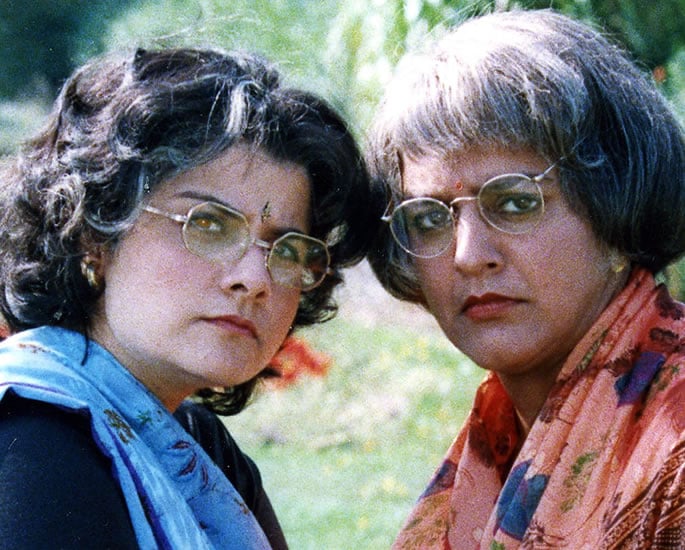
Many of Goodness Gracious Me‘s most memorable sketches were rooted in the cast’s own lives.
Before writing began, the team spent weeks sharing stories about family members, neighbours and everyday situations they had experienced growing up in British Asian households.
These conversations became the foundation of the show’s humour, transforming familiar experiences into sketches that British Asian audiences instantly recognised.
The competitive aunty sketch, for example, was inspired by the cast’s own relatives.
When asked where the character came from, Nina Wadia joked, “Well, my aunt doesn’t speak to me”, highlighting just how close the comedy was to reality.
The sketch itself was filmed in a single take, with much of the dialogue improvised, giving it a natural rhythm that mirrored real family conversations.
Rather than creating fictional stereotypes, Goodness Gracious Me exaggerated authentic experiences and familiar family dynamics.
This approach was central to why Goodness Gracious Me became so significant to British Asian comedy.
It allowed British Asian audiences to see aspects of their own lives reflected on screen, while introducing wider audiences to South Asian culture through humour that felt specific, recognisable and honest.
Why Did Everyone Understand the Jokes?
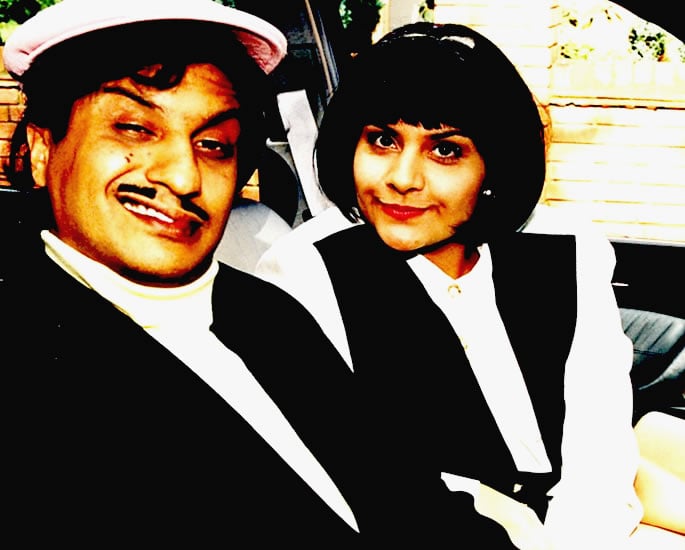
Goodness Gracious Me‘s audience quickly diversified, with its live tours demonstrating the show’s broad appeal.
Dame Meera Syal described the experience of connecting with audiences who understood the show’s cultural references as “like getting paid for group therapy”.
She also noted that between a third and a half of live audiences were non-Asian, highlighting how the show’s specifically British Asian humour reached far beyond the community it portrayed.
The comedy wasn’t limited to South Asian experiences either.
Goodness Gracious Me often resonated with other communities, including Jewish, Nigerian and Scottish audiences.
Rather than simply using these cultures as punchlines, the humour often came from recognising similarities between different communities and the ways they experience family, identity and belonging.
This helped demonstrate why Goodness Gracious Me was so important to British comedy.
The series showed that culturally specific stories could be highly relatable without losing the details that made them authentic.
Its humour was rooted in British Asian experiences, but its themes of family, community, generational differences and cultural identity were widely understood.
In doing so, Goodness Gracious Me created a space where different audiences could recognise themselves in its comedy while learning about experiences beyond their own.
The effect was to bring communities together in laughter, proving that British Asian comedy could be culturally specific, widely accessible and successful at the same time.
Confidence, Identity, and Language
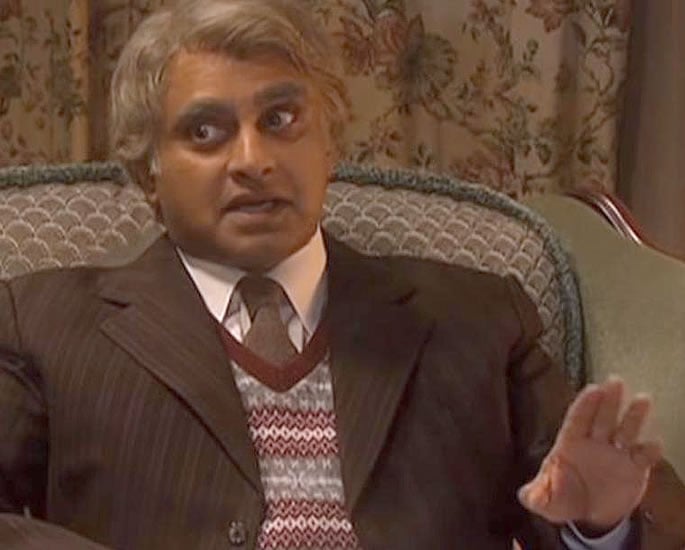
One of the things that made Goodness Gracious Me so distinctive was how confidently it embraced British Asian culture without feeling the need to explain or soften it for mainstream audiences.
The cast brought everyday language, family dynamics and cultural references into their comedy, using words such as “chuddies” and “dunda” as naturally as they would in everyday conversation.
Even Punjabi dialogue was sometimes left unsubtitled, allowing the characters to speak authentically rather than translating every joke for the audience.
That confidence extended to the way the show portrayed British Asian identity.
Rather than treating culture as something that needed to be introduced or explained, Goodness Gracious Me allowed its characters to exist within it.
Capturing this attitude, Sanjeev Bhaskar said:
“You can take the Indian out of India, but not the India out of the Indian.”
It was a sentiment that ran through the series, whether characters were switching between languages, navigating family expectations or poking fun at familiar cultural habits.
For British Asian viewers, those details could make the comedy feel instantly familiar.
For audiences less familiar with the culture, they offered a glimpse into everyday experiences without turning them into a lesson.
That balance helped give Goodness Gracious Me its distinctive voice: it was proudly British Asian, but never felt as though it had to justify that identity to anyone watching.
Could Goodness Gracious Me be made Today?
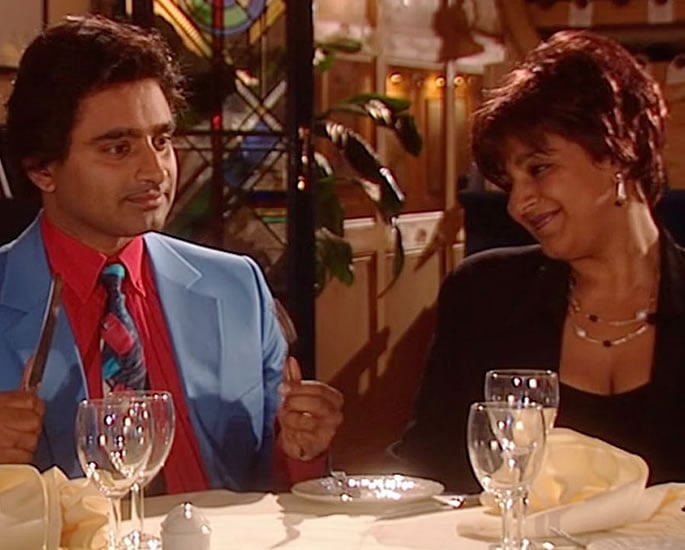
Thirty years on, the question is whether a show as bold as Goodness Gracious Me could make it onto British television today.
On one hand, there is far greater awareness of diversity and representation, with British Asian comedians and writers now more visible across television and streaming platforms.
But that progress could also create a different set of challenges.
A modern version would have to navigate an audience that is far more vocal online, where jokes can be taken out of context and shared across social media within minutes.
The fear of being labelled “woke” or accused of offending someone could potentially make broadcasters more cautious about the kind of comedy they commission.
At the same time, the idea of a so-called “snowflake” audience is not necessarily as simple as it sounds.
Comedy has always evolved with changing attitudes, and being able to challenge stereotypes without reinforcing them is part of what made Goodness Gracious Me so effective in the first place.
There is also the question of who gets to make the jokes.
The original series gave British Asian writers and performers creative control over their own stories, rather than leaving their representation in the hands of people outside the community.
That remains important today, particularly when social media algorithms can reward simplified or controversial versions of cultural conversations.
A new Goodness Gracious Me could therefore work today, but it would probably look different.
The humour might move from BBC sketches to TikTok, YouTube and streaming, and the subjects could reflect a younger generation navigating mixed identities, dating, social media and life between cultures.
What should remain the same is the confidence to make jokes about British Asian life from within the community, rather than making British Asian identity itself the punchline.
Three decades later, Goodness Gracious Me remains a landmark in British Asian comedy.
By putting South Asian writers and performers at the centre of the jokes, the series moved away from the stereotypes that had previously shaped British Asian representation and gave audiences something much more recognisable and authentic.
Its humour showed that British Asian experiences could be the subject of comedy without British Asian people themselves becoming the punchline.
That influence can still be seen today, from comedians and writers exploring cultural identity to creators bringing similar observations about family, language and everyday life to social media.
Goodness Gracious Me helped prove that audiences did not need British Asian culture to be simplified or explained for it to succeed in mainstream comedy.
Instead, the show’s biggest legacy may be the confidence it gave to British Asian comedy: the freedom to tell its own stories, laugh at its own experiences and make everyone else laugh along with it.