


















































The filmmakers wanted a distinctive musical identity
The iconic James Bond theme is recognised around the world, but its musical origins have a surprising connection to South Asian culture.
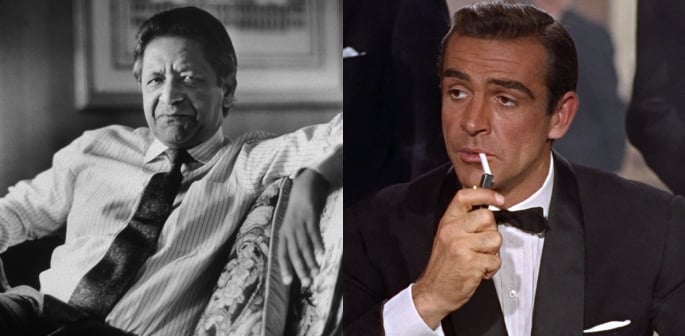
Before becoming one of cinema’s most recognisable compositions, its melody was developed from a song written for an Indo-Trinidadian musical inspired by V.S. Naipaul’s novel A House for Mr Biswas.
Composer Monty Norman created the song for an ambitious theatrical production that was never staged.
Its distinctive Indian musical influences, including a sitar-led melody, would later help shape the soundtrack of the first James Bond film, Dr. No, released in 1962.
The unexpected connection highlights how South Asian musical influences have travelled across cultures and found their way into international entertainment.
The Original Song and Its Connection to Indian Music
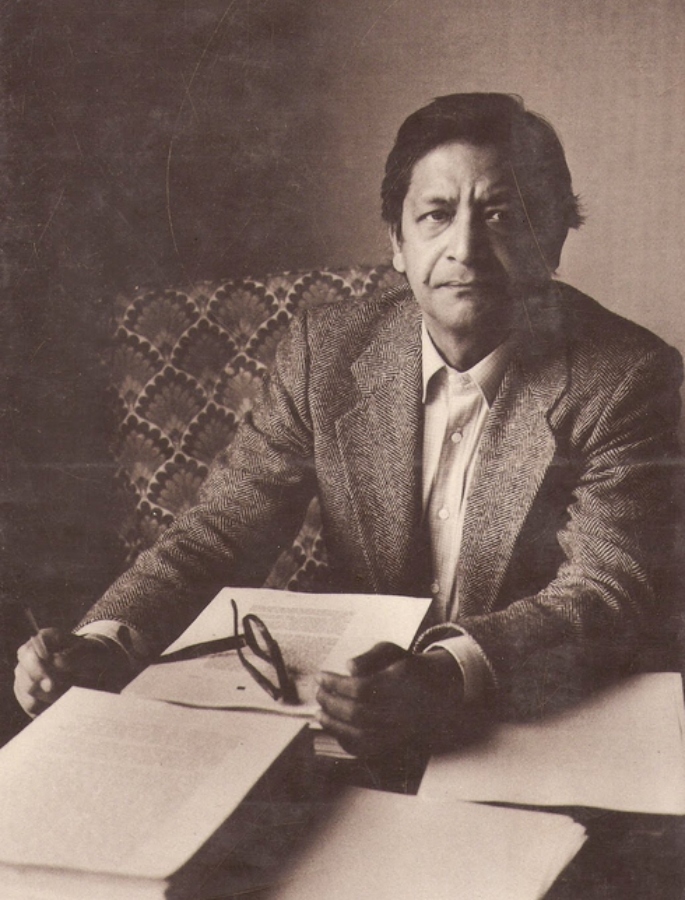
The story begins with A House for Mr Biswas, the 1961 novel by Trinidad-born writer V.S. Naipaul.
The book follows Mohun Biswas, an Indo-Trinidadian man attempting to establish an independent life and home for himself and his family.
Set within Trinidad’s Indian community, it explores identity, belonging, family expectations and cultural influences.
Naipaul’s novel became internationally recognised for its portrayal of Caribbean society, particularly the experiences of people descended from Indian indentured labourers.
Its cultural setting also inspired a musical adaptation, for which Norman worked alongside lyricist Julian More.
Theatre director Peter Brook was attached to the project, which aimed to bring the novel’s characters and setting to the stage.
However, the production never materialised. Norman later explained that the costs involved were prohibitive and finding suitable Asian and West Indian performers in London proved difficult.
One composition written for the musical was called ‘Bad Sign, Good Sign’.
Created for an East Indian character, the song incorporated traditional Indian musical influences, including a distinctive sitar melody.
Although the production was abandoned, Norman retained the composition.
Its eventual journey into the James Bond franchise would give the unused song an unexpected place in music history.
The connection is particularly significant because the original composition reflected the Indo-Trinidadian cultural background of Naipaul’s novel.
Trinidad’s Indian community developed through generations of migration, particularly following the arrival of indentured labourers from India during British colonial rule.
Over time, Indian musical traditions became part of the Caribbean’s wider cultural landscape.
The musical adaptation drew from this setting, making its eventual connection to an internationally recognised British film franchise particularly noteworthy.
How the Melody Became the James Bond Theme
The transformation began when film producers Albert R. Broccoli and Harry Saltzman approached Norman to compose music for their forthcoming James Bond film.
Broccoli had previously supported Norman’s musical Belle and remained impressed by his work.
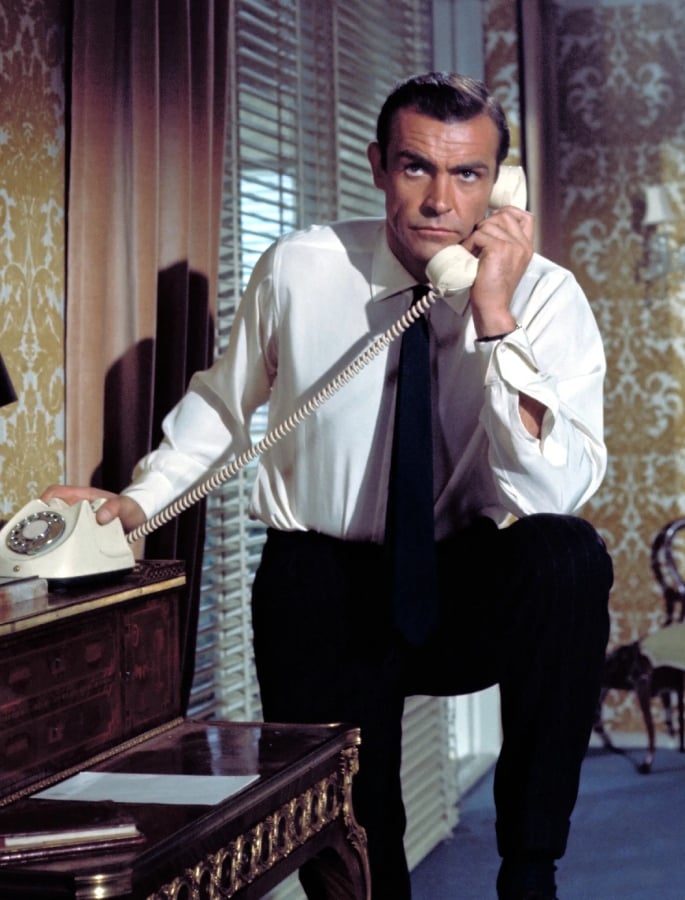
The producers were preparing the first screen adaptation of Ian Fleming’s spy novels, with Dr. No introducing Sean Connery as James Bond in 1962.
The filmmakers wanted a distinctive musical identity that could establish the atmosphere of their new secret agent.
Norman initially explored different musical ideas but eventually remembered ‘Bad Sign, Good Sign’, returning to the composition he had written for the abandoned Naipaul adaptation.
The original melody had a distinctly Indian character, with the sitar providing its defining musical quality.
However, Norman recognised that the composition needed to be transformed to suit the suspenseful atmosphere of the spy film.
He experimented with splitting the notes into separate sounds and transferred the opening musical phrase from the sitar to the guitar.
This changed the character of the original composition, giving it a more dramatic and recognisable sound.
The finished arrangement combined elements of jazz, orchestral music and the original melody, creating the musical identity associated with James Bond.
Composer and arranger John Barry also played an important role in developing the soundtrack.
Barry was brought in to arrange the theme, helping establish its distinctive combination of electric guitar and orchestral sounds.
Guitarist Vic Flick performed the famous electric guitar riff heard in the original recording.
However, the contributions of Norman and Barry later became the subject of a long-running dispute.
Questions were raised over whether Barry had written the theme rather than simply arranging Norman’s original composition.
Norman took legal action against The Sunday Times following a 1997 article questioning his authorship.
The case went to trial in 2001, with the jury finding in Norman’s favour.
The court proceedings reinforced Norman’s position as the credited composer, while Barry’s contribution as arranger remained an important part of the theme’s development.
A South Asian Influence on International Music
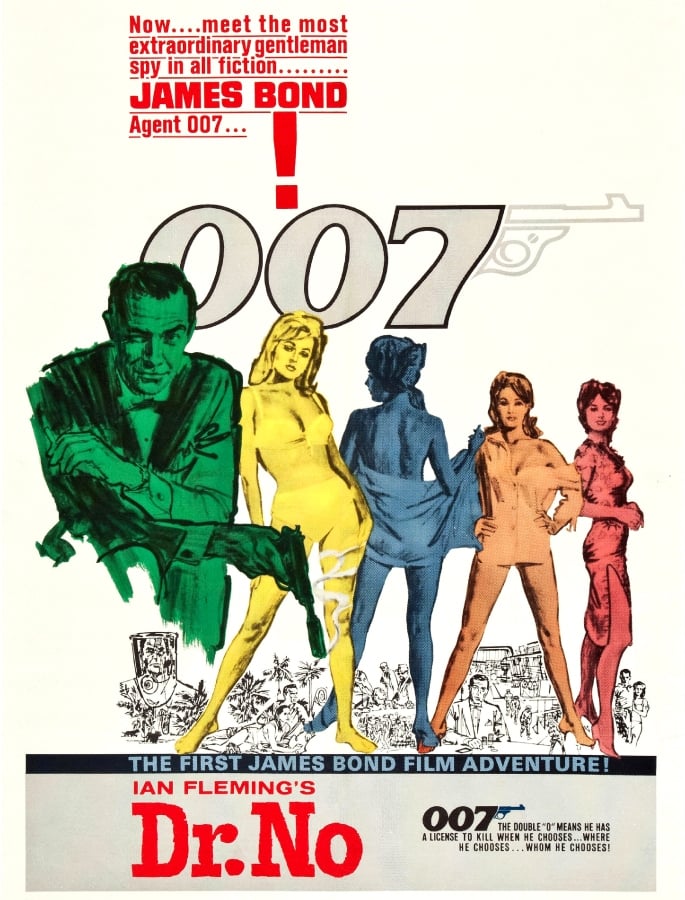
Since its introduction in Dr. No, the James Bond theme has become one of the most enduring musical signatures in cinema.
Its recognisable guitar riff and dramatic orchestration have accompanied decades of films, helping establish a consistent identity across different generations of actors and filmmakers.
The composition has been rearranged and reinterpreted throughout the franchise, demonstrating its ability to adapt while remaining instantly recognisable.
However, its connection to A House for Mr Biswas provides another fascinating dimension to its legacy.
The sitar has a long history within Indian classical music and is recognised for its distinctive sound and expressive melodic possibilities.
Its influence has extended into international recordings, film soundtracks and different musical genres.
Norman’s original composition demonstrates how these traditions can be incorporated into new creative settings.
The story is particularly interesting because the melody was initially written for a theatrical production centred on the Indo-Trinidadian experience.
It subsequently became associated with a British fictional character whose identity has been recognised around the world for more than six decades.
For South Asian audiences, this offers an opportunity to recognise cultural influences that can sometimes remain hidden behind internationally celebrated works.
The Indian diaspora has contributed to music across the Caribbean, Britain and beyond, creating traditions that continue to influence contemporary entertainment.
The James Bond theme provides an unusual example of this cultural exchange, connecting Caribbean literature, Indian instrumentation and British cinema.
What began as a song for an Indo-Trinidadian character in an unproduced musical eventually became a defining piece of film music.
More than six decades after Dr. No introduced James Bond to cinema audiences, the theme continues to be recognised globally, carrying an unexpected connection to the South Asian diaspora in the Caribbean.