





































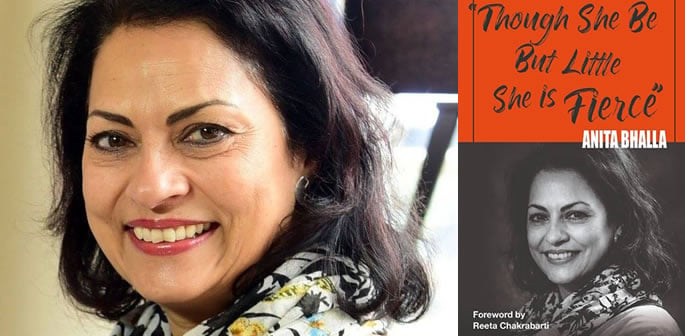
"I didn't set out to be a pioneer; I was doing work I cared about."
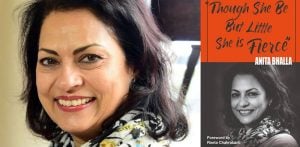
Anita Bhalla is a Birmingham-born pioneer with an impressive career spanning broadcasting, public service and the arts.
Alongside her roles as Chair of Birmingham City University and B:Music, Governor of the RSC, author and mother, she has spent more than 25 years building a distinguished career in media.
During her time at the BBC, she helped develop BBC Asian Network, produced documentaries and served as UK Head and Editor of the BBC’s Public Space Broadcasting.
Her work also extends beyond broadcasting, with a particular focus on empowering women and children through her involvement with charities.
In 2009, she was awarded an OBE for services to Broadcasting and Communities.
Her memoir, Though She Be But Little She Is Fierce, charts her journey from Nairobi to Birmingham, her experiences in BBC newsrooms and her place among the first South Asian broadcasters seen by audiences across the UK.
In an interview with DESIblitz, Anita Bhalla discusses her memoir and her trailblazing role at the BBC.
How do you balance your roles?
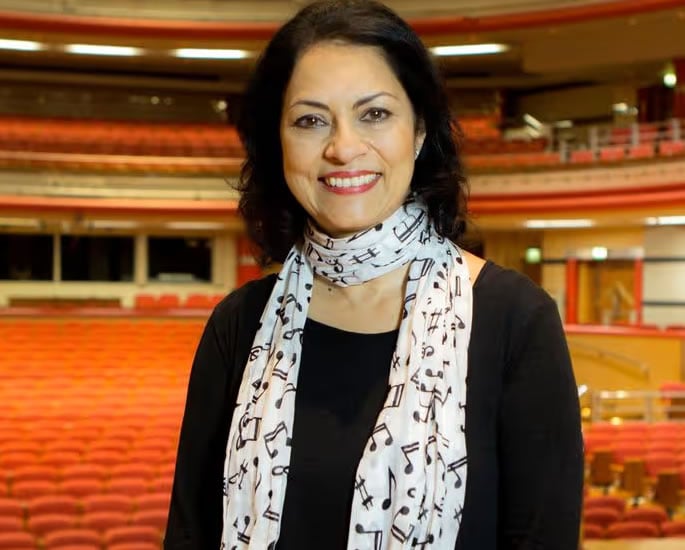
Balancing my roles at the university and in the charity can be challenging, particularly when there are competing priorities and demands on my time.
I try to keep a clear sense of what matters most and to remember the people at the heart of the work.
The most rewarding part is seeing change happen: watching people grow in confidence, achieve things they may not have thought possible, and improve their lives and circumstances.
I feel fortunate to be in a position where I can support that process, whether by opening doors, encouraging someone, or helping create the conditions in which they can succeed.
Ultimately, the achievements belong to them, and it is a real privilege to witness them.
What was it like being one of the first Asian presenters on TV?
It was exciting, challenging and, at times, painful.
It was exciting to be part of a changing broadcasting landscape, but being one of the first Asian women on television also meant navigating spaces where there were very few people who looked like me.
There was prejudice within the industry, but perhaps what surprised and hurt me most was that some of the criticism also came from within my own community.
Some older members of the community felt I was too young, questioned why I wasn’t presenting in Urdu or Hindi, and felt that my appearance and the way I dressed weren’t traditional enough.
“Looking back, I realise how important it was simply to be there, to be visible and to do the job to the best of my ability.”
I didn’t set out to be a pioneer; I was doing work I cared about.
But I hope that, by being there, I helped make it a little easier for others to follow, and helped broaden people’s ideas of who could belong on our television screens.
How did you navigate injustice while remaining neutral and resilient?
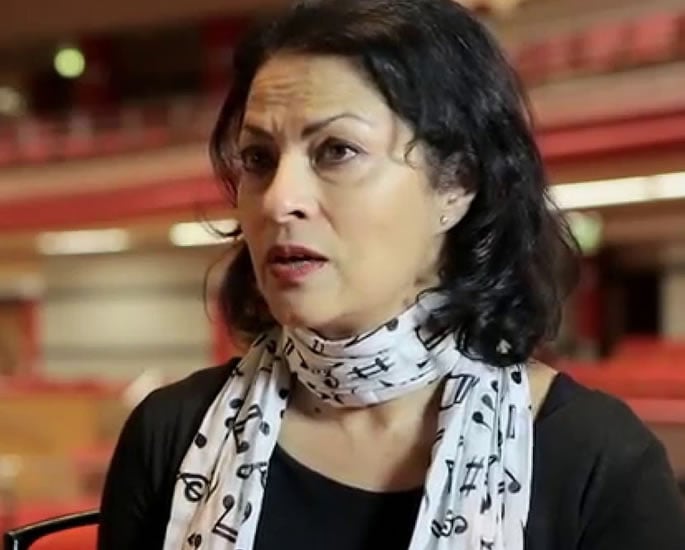
Experiences [of injustice] were challenging because, as a journalist, you have a responsibility to remain fair, impartial and professional, regardless of your own experiences.
But I would be dishonest if I said that being stereotyped never affected me. It did, and at times I had to work hard to ensure that my personal feelings didn’t influence the way I approached my work.
I learnt to recognise those moments for what they were, to take a step back and remind myself of my responsibility to the story and to the audience.
That didn’t mean accepting the behaviour or pretending it didn’t hurt; it meant not allowing someone else’s assumptions to determine how I conducted myself professionally.
Resilience, for me, came with experience.
You develop a thicker skin, but I think you also develop a clearer sense of who you are and what you bring to the job.
I tried to let my work speak for itself, to remain focused on asking the right questions and reporting fairly, and not to allow individual encounters to define my experience or diminish my confidence.
How have Nairobi and Birmingham shaped your cultural identity?
Nairobi-born, Birmingham-shaped. My roots are in Nairobi, but Birmingham is where I grew up and became who I am.
I’ve always carried a romantic love for Nairobi, strengthened by visits over the years and, most recently, the joy of reconnecting with aunts after decades apart.
The two cities have given me different things, so perhaps I don’t need to compare them.
One is where my story began; the other is where much of it unfolded.
Did cultural injustices inspire your activism and determination to empower others?
The cultural injustices I witnessed growing up played a significant role in shaping my activism and my determination to give a voice to the vulnerable and those whose voices are too often ignored.
However, the title Though She Be But Little She Is Fierce also holds a deeply personal meaning for me.
It is a tribute to extraordinary women like my mother, who was one of the first Asian women to work on the factory floor at Cadbury’s, and Jayaben Desai, who courageously challenged both her employers and the establishment in the fight for trade union recognition.
These were incredible women. They may have been small in stature, but my goodness, they had an enormous presence, immense courage and unwavering determination.
They demonstrated that strength is not measured by physical size, but by the conviction of your beliefs, the courage to stand up for what is right, and the determination to challenge injustice.
Their example has been a profound inspiration to me and continues to reinforce my belief that one person, regardless of their background or circumstances, can make a real difference.
How can the next generation embrace opportunities and overcome barriers?
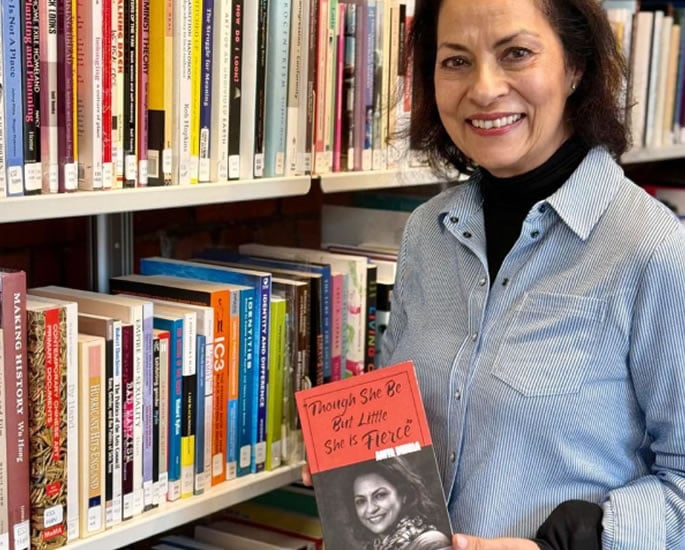
My advice to the next generation is to stay focused, believe in yourself, and never give up on your dreams.
Pursue what you are passionate about, but remember that passion must be matched with commitment, discipline and perseverance.
Be open to opportunities, have the courage to step outside your comfort zone, and make the most of the support available to you.
“There may be setbacks along the way, but see them as opportunities to learn and grow.”
Above all, remain determined, work hard and keep moving forward, because with the right mindset and commitment, you can turn your aspirations into reality.
Anita Bhalla’s story is a reminder that determination, resilience and the courage to challenge injustice can shape not only an individual’s journey but also the lives of those around them.
Through her memoir, she offers an honest and empowering message, encouraging readers to find their voice, embrace their identity and be fierce in the pursuit of their dreams.
Her experiences serve as both a lesson and an inspiration, particularly for future generations navigating their own paths and seeking opportunities to make a difference.
Though She Be But Little She Is Fierce is available to purchase.