















































"I wanted the film to feel honest to that reality"
West London rarely looks like this on screen. In Never Had A Chance, director and producer Jazz Bhalla turns familiar streets in Hounslow into the backdrop for a story shaped by pressure, loyalty and the fragile idea of starting again.
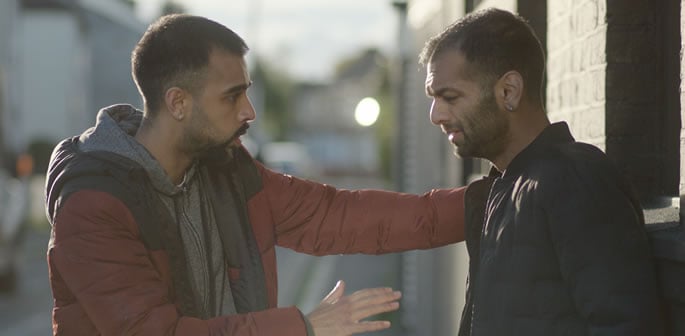
The film follows Ravi, a young man caught between the life he knows and the one he is trying to build, as past connections threaten to pull him back into old patterns.
Starring Amar Chaggar, it moves through West London’s Punjabi community with a focus on everyday reality rather than heightened drama.
The film has already screened across major UK and international festivals, including the London Independent Film Festival, British and Irish Film Festival Luxembourg, and the UK Asian Film Festival.
In an interview with DESIblitz, Jazz Bhalla reflects on the lived experiences, creative choices and cultural grounding behind the film.
Grounded in West London Reality
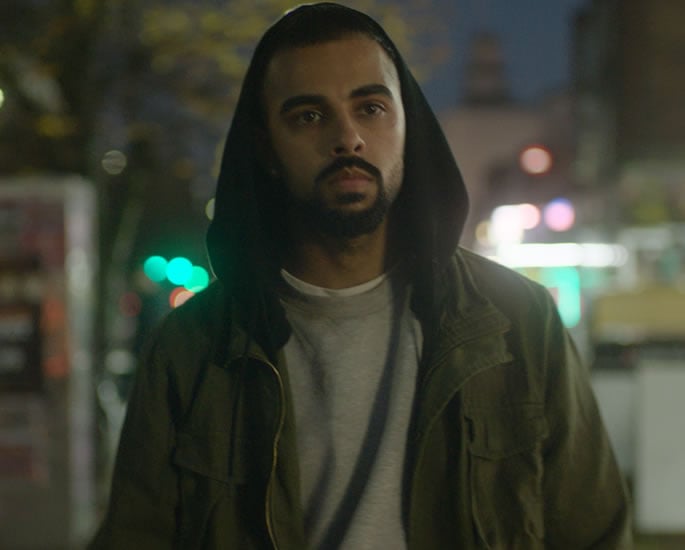
Jazz Bhalla roots Never Had A Chance in lived experience, shaped by the streets and social fabric of West London.
The film pulls from everyday tensions and emotional truths observed over time. It reflects a landscape where ambition and pressure often exist side by side.
He says: “A lot of it comes from growing up around West London and seeing certain situations firsthand.
“It’s not based on one exact story, but the emotions, the environments and the people definitely come from real life.
“In Hounslow and Southall, you see people trying to move forward while still being tied to their past, and I wanted the film to feel honest to that reality without glamorising it.”
That sense of familiarity informs the film’s tone, where setting is not just backdrop but a pressure point.
The story is shaped by how place influences mindset, particularly when individuals are negotiating identity while trying to move beyond where they started.
Representation without Flattening Identity
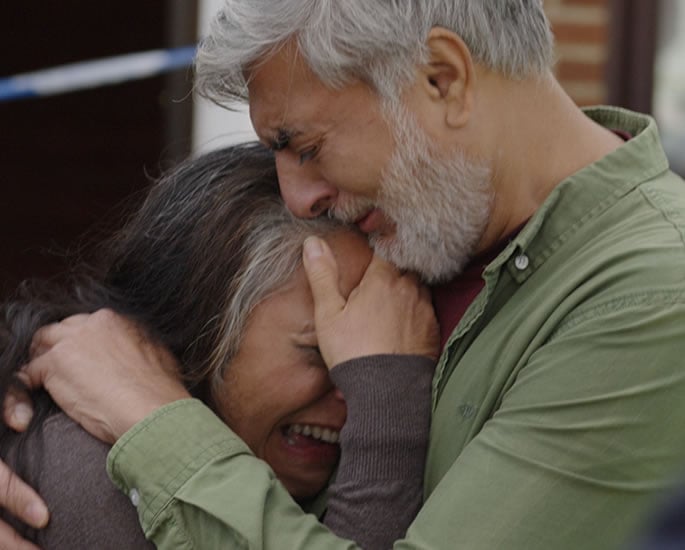
The decision to centre the narrative within Hounslow’s Punjabi community is intentional, responding to a long-standing gap in how that community is represented on screen.
Bhalla leans into specificity, but avoids reducing characters to cultural shorthand:
“Because that community is such a huge part of Hounslow, but you hardly ever see it represented properly on screen.
“Usually, it’s stereotypes or the same kind of characters again and again. I wanted to show people as they actually are, the humour, the family dynamics, the pressure, the loyalty, all of it.
“Making it specific to Hounslow gave the film its identity and authenticity.”
The result is a world where cultural identity is present in rhythm rather than explanation.
Family dynamics, humour and pressure coexist in a way that reflects lived experience, rather than filtered representation designed for familiarity.
Ravi’s Weight of Circumstance
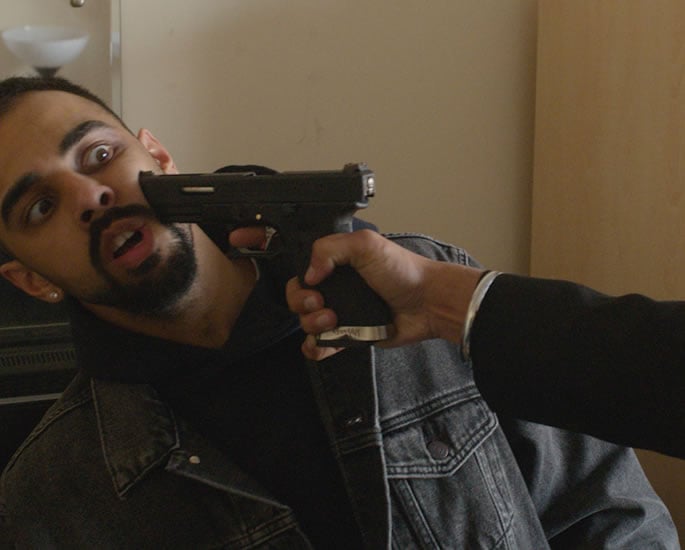
At the centre of Never Had A Chance is Ravi, a character caught between the desire for change and the gravitational pull of his environment.
His story is shaped by contradiction, where intention alone is not enough to escape repetition.
Jazz Bhalla explains: “Ravi’s someone who wants to change, but he’s surrounded by things constantly dragging him backwards.
“I think the film shows how circumstances shape people more than we like to admit.
“At the same time, it’s about whether someone can still make a different choice even when life has been stacked against them for years.”
That tension is not treated as exceptional, but as structural.
The film places emphasis on how cycles form, and how difficult it is to step outside them without acknowledging the systems and pressures that sustain them.
Humanity and Avoiding Stereotypes
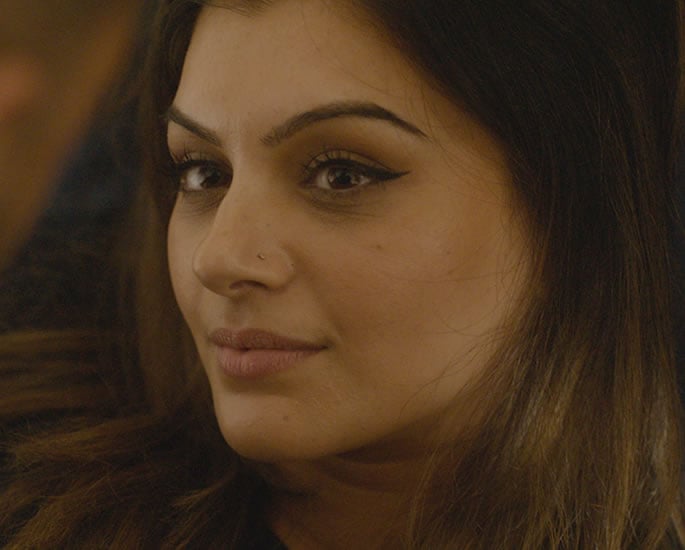
Rather than framing characters through judgment or category, Bhalla focuses on keeping them emotionally grounded.
The intention is to avoid turning people into symbols of behaviour, instead allowing contradictions to exist within them.
The filmmaker says: “The main thing was keeping the characters human first.
“I didn’t want anyone to feel like a ‘type’ or a cliché. British Asian identity is layered, especially in West London and everyone’s experience is different.
“We focused on making the conversations, relationships and environments feel natural rather than trying to tick boxes.”
That approach also informs the film’s tonal balance. It does not avoid difficult realities, but it resists framing those realities as spectacle.
Instead, it holds space for motivation, pressure and consequence to sit together without simplification.
“I wanted the world to feel real, so we didn’t shy away from the rougher parts of it.
“But at the same time, I never wanted the film to judge the characters. Even when people make bad decisions, there’s usually pain or pressure behind it. Showing that humanity was important to me.”
Production Constraints and Audience Response
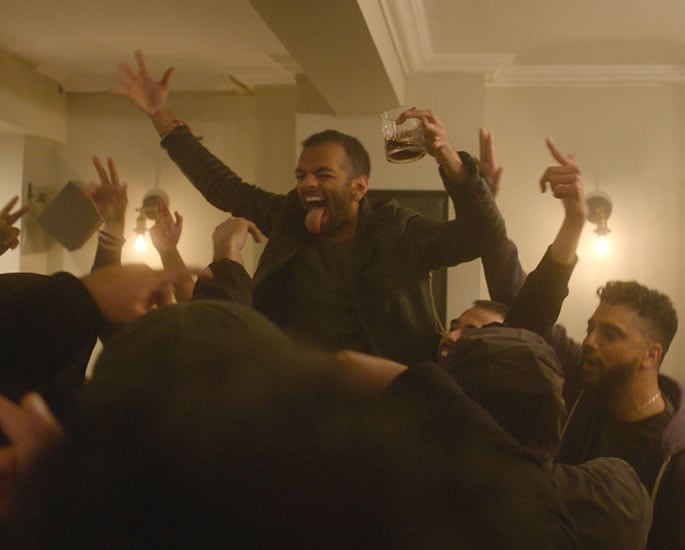
As an independent production, Never Had A Chance was shaped as much by limitation as by intention.
Budget, time and logistical constraints became part of the creative process, influencing both the aesthetic and the energy of the final work.
Bhalla admits: “Honestly, independent filmmaking is hard full stop.
“Budget, time, locations, everything is a challenge. But because the story meant something personally, everyone involved gave everything to it, I honestly couldn’t have asked for anything more.
“It was a real team effort and I am eternally grateful to everyone that helped bring it to life.
“We had to be creative and work with what we had, but I think that rawness actually helped the film feel more real and grounded.”
That grounded quality extends into the film’s soundtrack, which reflects West London’s layered cultural identity.
Bhalla continues: “Music is a massive part of West London culture, so the soundtrack had to reflect that.
“There’s Punjabi influence, UK street influence, dub sounds, all the stuff you grow up hearing around Hounslow/Southall.
“The music helps carry the emotion of scenes and makes the world feel lived in rather than polished.”
Early festival reactions have highlighted how widely the film resonates beyond its immediate setting.
Audiences have connected with its emotional themes even without shared geographical reference points, particularly around cycles, change and personal limitation.
“It’s been mad in the best way.
“What surprised me most is how many people connected with the whole story and all the characters emotionally, even if they’ve never been to West London. People understand what it feels like to be trapped by your past or trying to become someone better.
“Seeing audiences connect with that has been really rewarding.”
That emotional response feeds into what Bhalla ultimately hopes the film leaves behind. The focus is on recognition, especially in how people understand others’ circumstances and decisions.
Bhalla adds: “I hope people leave with empathy more than anything.
“A lot of people get written off because of where they come from or mistakes they’ve made, but everyone’s carrying something.
“Ravi’s story is about trying to break a cycle and figure out if change is actually possible.”
What Never Had A Chance ultimately builds is a world that feels recognisable without being reduced to cliché, where characters are shaped by environment as much as intention.
Ravi’s journey sits within that tension, where change is possible in theory but complicated in practice, especially when the past does not sit quietly in the background.
Jazz Bhalla’s approach keeps the focus on humanity, allowing difficult decisions to exist alongside the pressures that create them.
The independent nature of the production reinforces that rawness, shaping a film that feels grounded in both process and perspective.
As it prepares for theatrical releases across the UK, the film holds onto a clear idea at its core: understanding people fully, rather than defining them by their circumstances.