

















































Wholesale gas prices have roughly tripled since the conflict began
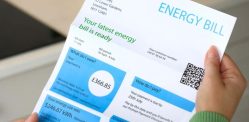
Households across Britain face another increase in energy bills from January 2027, with prices set to rise by 26% during the coldest months of the year.
Energy regulator Ofgem has confirmed that the typical annualised household energy bill will increase from £1,723 to £2,166, adding £443 to the yearly rate.
The new price cap takes effect on January 1 and will remain in place until March 31, 2027, affecting approximately 20 million households on standard variable tariffs.
For an average household, the increase is equivalent to around £37 more per month, although actual bills depend on energy consumption.
With heating demand rising during winter, households are being encouraged to review their tariffs, check available financial support and make changes that could reduce their costs.
Why are Energy Bills Rising?
The increase has been driven largely by higher international gas prices, which Ofgem says have been affected by the continuing conflict in the Middle East.
Wholesale gas prices have roughly tripled since the conflict began, pushing up the cost of supplying energy to British homes.
Gas bills are expected to rise by 33%, while electricity bills will increase by approximately 19%.
From January, the average unit rate for electricity will rise to 32.69p per kilowatt hour, while gas will cost 10.96p per kilowatt hour for customers paying by Direct Debit.
However, the price cap does not limit a household’s total bill. It restricts how much suppliers can charge per unit of energy and through daily standing charges.
Households using more energy than the national average could therefore face significantly higher costs.
How Can You Reduce Your Energy Bills?
Consider Switching to a Fixed Tariff
Households on standard variable tariffs could potentially save money by switching to fixed-price deals before January.
Consumer group Which? recommends comparing available tariffs against the new January rates rather than the current price cap.
A fixed tariff protects customers from changes in energy unit prices for an agreed period, although it will not prevent bills increasing if consumption rises.
Households should check standing charges, estimated annual costs and any early exit fees before switching.
Change How You Pay Your Bills
Switching to Direct Debit could also reduce household energy costs, particularly for people who currently pay after receiving a bill.
Ofgem estimates that changing to Direct Debit could save the average customer approximately £160 annually.
Customers should also submit regular meter readings to avoid estimated bills and check whether their supplier offers cheaper paperless tariffs.
Reduce Heating and Electricity Costs
Simple changes to household energy use could help offset some of January’s increase.
Which? recommends using heating timers, reducing the temperature in unused rooms and draught-proofing windows and doors.
Washing clothes at 30°C, running full washing machine loads and using energy-efficient appliance settings could also lower electricity consumption.
Households with combi boilers may be able to reduce gas usage by adjusting the boiler’s flow temperature, provided they follow appropriate guidance for their heating system.
Check Whether You Qualify for £100 Support
The government has confirmed that around 20 million households in England will receive a one-off £100 Household Energy Payment from January 2027.
The payment will be available to eligible households living in properties within Council Tax bands A to D.
Councils are expected to begin distributing payments from January 4, with many households receiving the money automatically through their registered bank accounts.
People who do not pay Council Tax by Direct Debit will be contacted by their local authority about how to receive the payment.
The government has also allocated £100 million for discretionary support to struggling households outside the main eligibility criteria. Scotland and Wales are developing their own support arrangements.
Could You Get Another £150 Off?
Eligible households can also receive £150 through the government’s Warm Home Discount scheme.
The scheme supports qualifying households receiving certain means-tested benefits, including Universal Credit and Pension Credit.
Most eligible customers will receive the discount automatically, although some may need to provide additional information.
Households should check their eligibility and any correspondence from their energy supplier or the government.
What if You Cannot Afford Your Energy Bills?
Ofgem has urged households struggling with rising costs to contact their energy supplier rather than allowing debts to accumulate.
Suppliers are required to provide appropriate support, which can include affordable repayment plans, emergency credit and advice about hardship assistance.
Neil Kenward, Ofgem’s Director General for Markets, said the regulator was reminding suppliers of their obligations to help customers experiencing financial difficulties.
Customers with additional needs can also ask to join their supplier’s Priority Services Register.
The next energy price cap announcement is due by February 23, 2027, when Ofgem will confirm rates for April to June.