

















































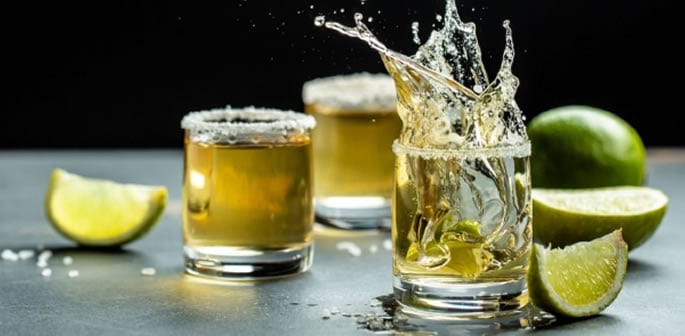
This liquor is made from the sap of coconut palm trees
Regional liquors in India are a fascinating reflection of the country’s rich culinary heritage, showcasing unique flavours and traditional brewing techniques that vary from one state to another.
The regions have their own spirit, often crafted using local ingredients and time-honoured methods passed down through generations.
From the lush coconut groves of Goa to the misty hills of Himachal Pradesh, these regional liquors tell stories of the people and traditions that create them.
We look at seven popular Indian regional liquors that not only tantalise the taste buds but also embody the vibrant spirit of their respective cultures.
Whether you’re a seasoned connoisseur or a curious newcomer, these drinks promise to offer a delightful journey through India’s diverse and lively drinking landscape.
Feni
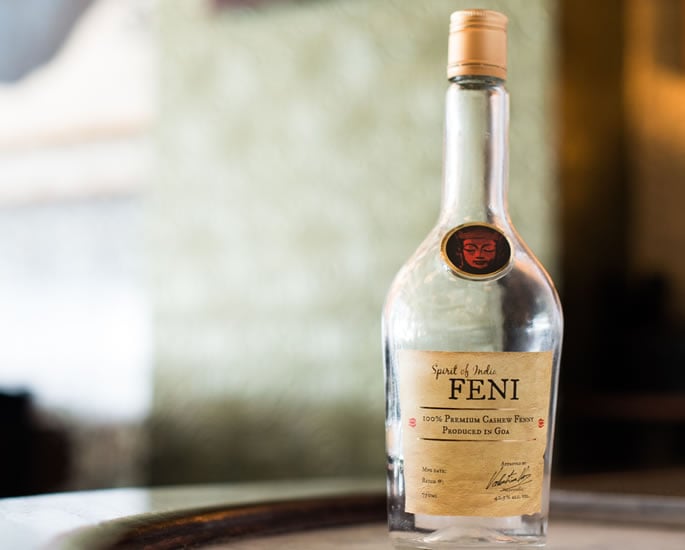
Produced in Goa, feni is a clear, colourless spirit with a high alcohol content of 42 to 45%.
There are local variations, including cashew feni, which is distilled from cashew fruit, and coconut feni, made from the sap of coconut trees.
Cashew feni has a strong aroma and is best enjoyed neat or mixed with a citrus drink like Limca.
On the other hand, coconut feni has a milder flavour and aroma, typically served neat.
Feni is protected by a Geographical Indication tag, meaning it can only be produced and sold in Goa, although it can be exported internationally.
Every liquor shop in Goa stocks feni, featuring brands like Cazulo and Big Boss.
Local taverns often gain reputations based on their homemade versions.
Bars such as For The Record Vinyl Bar and Joseph’s Bar are also experimenting with feni cocktails, including a unique Goan Bloody Mary made with guava juice and cashew feni.
Toddy
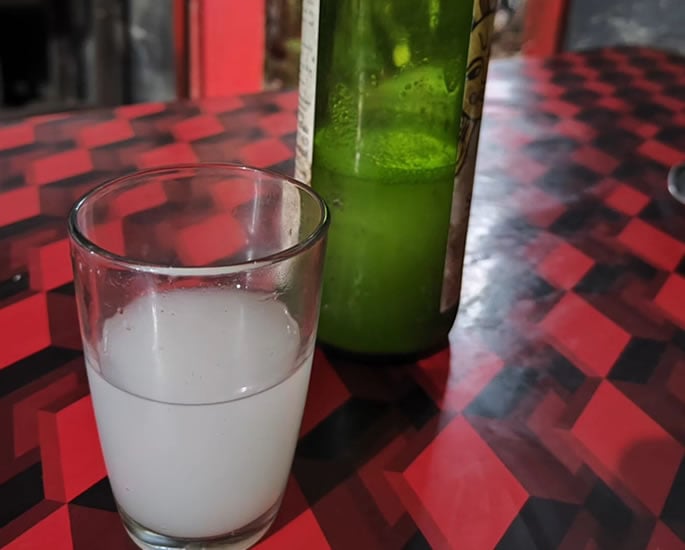
In Kerala, coconut trees yield a murky white alcoholic beverage known as toddy, or kallu.
This liquor is made from the sap of coconut palm trees, which is collected by skilled climbers called toddy tappers and then left to ferment.
The natural yeast in the air facilitates fermentation, resulting in a slightly sweet and tart flavour.
Because of its short shelf life, toddy cannot be bottled.
If fermented for more than a couple of days, it turns into vinegar, and if distilled, it is referred to as arrack.
Toddy is commonly available in toddy shops, or kallu shaaps, throughout Kerala, where it pairs well with the region’s spicy and semi-dry beef and fish dishes.
Mahua
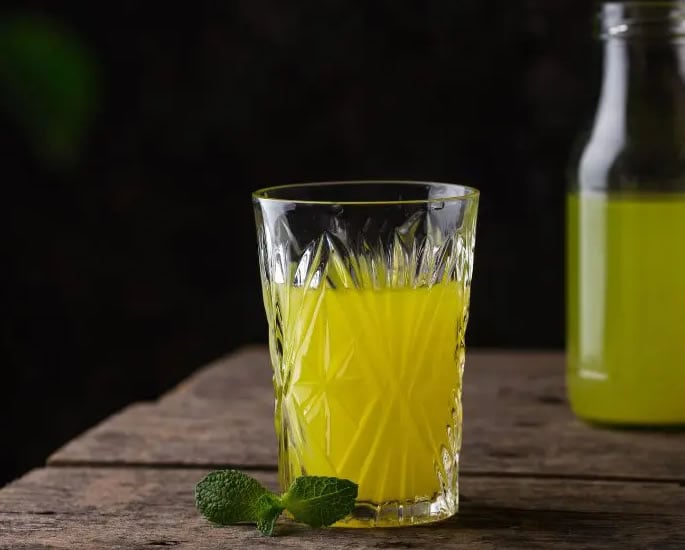
Mahua is a tropical tree native to India’s central and eastern plains, playing a significant role in the lives and culture of tribal Adivasi communities.
The tree produces sweet flowers that are sun-dried, fermented with a yeast-infused rice cake, and blended with cane sugar, such as jaggery, before undergoing double distillation to create a delightful, subtly floral liquor.
Each version of mahua liquor varies in clarity, strength, and flavour.
While mahua is one of India’s most recognised indigenous liquors, it can be challenging for regular consumers to find.
For years, Desmond Nazareth worked to bring mahua into India’s mainstream alcohol and in 2018, his brand Desmondji introduced a mahua spirit and a mahua liqueur infused with honey and spices.
Chhang
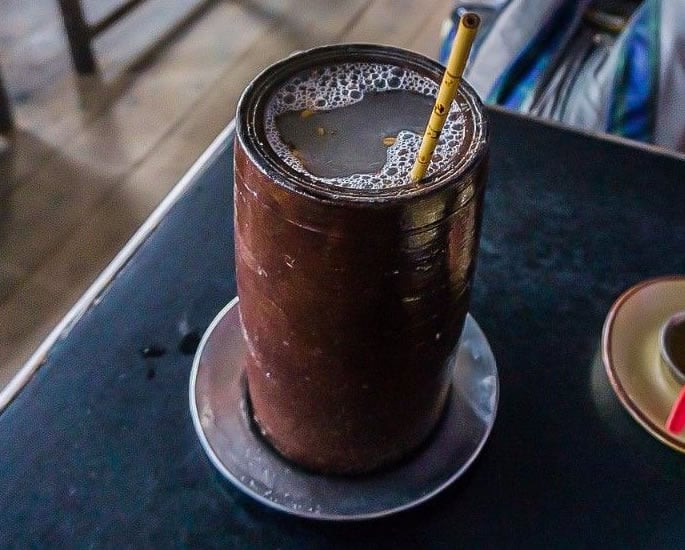
Chhang is made from fermented barley or millet, primarily found in the Himalayan regions of India, particularly in Ladakh, Sikkim, and parts of Arunachal Pradesh.
This frothy drink, often compared to beer, is an integral part of the local culture and is typically served during festivals, celebrations, and communal gatherings.
The production of chhang involves boiling the grains, allowing them to cool, and then adding yeast and other ingredients for fermentation.
The resulting beverage has a mild flavour and a slightly fizzy quality, making it a refreshing drink in the cool Himalayan climate.
Chhang is not only enjoyed for its taste but also holds significant cultural importance among the communities that produce and consume it.
Zutho
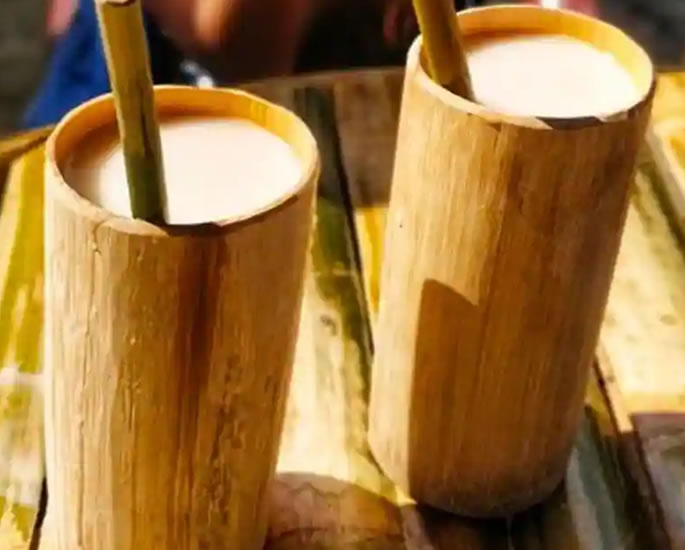
Zutho is made from fermented rice and is primarily produced in Nagaland and Manipur, which are in the northeast.
This unique drink is often prepared for festive occasions and cultural celebrations, reflecting the rich heritage of the local tribes.
Zutho is typically made by steaming glutinous rice and then fermenting it with the help of specific yeast cultures.
Zutho’s flavour profile can vary, with some versions being sweet and slightly fruity, while others may have a more sour or tangy taste.
This depends on the fermentation process and the ingredients used.
Often served chilled, zutho is enjoyed for its refreshing qualities and is a staple at gatherings.
Handia
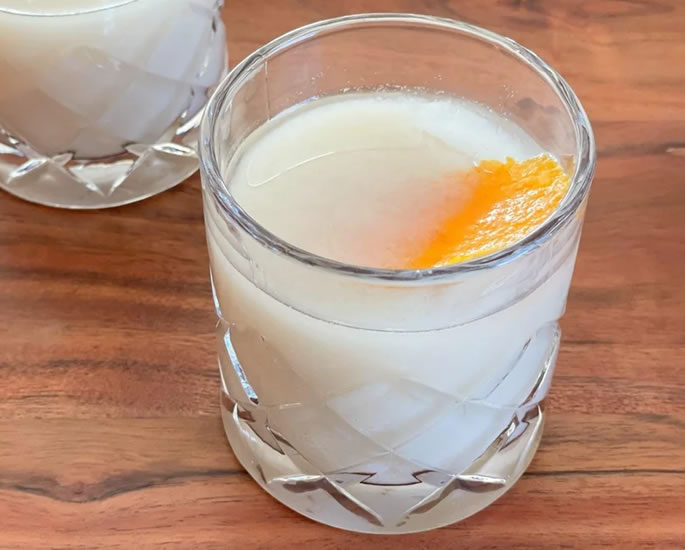
This popular regional drink is made from fermented rice and is mainly found in the tribal regions, particularly in Jharkhand, Odisha, and parts of West Bengal.
This milky-white drink is made by boiling rice and allowing it to cool before mixing it with a fermented starter known as “khar”, which is made from various plant leaves, herbs, or even fruits.
Fermentation typically lasts a few days.
The result is a mildly alcoholic beverage with a slightly sweet and tangy flavour.
Handia is often consumed during festivals, rituals, and social gatherings.
Its unique preparation and rich taste make it an integral part of the local heritage.
Lugdi
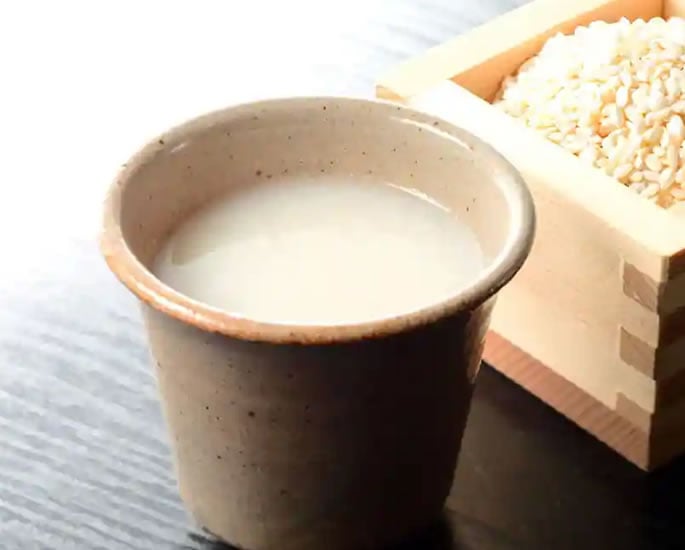
Lugdi’s origins lie in Himachal Pradesh, Uttarakhand, and parts of Kashmir.
This regional spirit is primarily made from fermented barley or wheat and is often flavoured with various herbs and spices to enhance its taste.
It is prepared by boiling the grains, cooling them, and then allowing natural fermentation to occur, sometimes aided by the addition of a starter culture.
The result is a frothy, mildly alcoholic drink with a distinct aroma and a sour taste.
This beverage is commonly consumed during cold winters and local festivals.
India’s regional liquors offer a variety of flavours and traditions, each deeply connected to the local culture, ingredients, and history of its region.
From Goa’s feni to Jharkhand’s handia, these spirits provide a glimpse into the diverse ways different communities celebrate and sustain their heritage.
Whether you’re looking to explore new tastes or understand the cultural significance behind them, these seven regional liquors are a must-try for anyone interested in India’s vibrant drinking traditions.