
















































This latest model adopts the USB-C standard
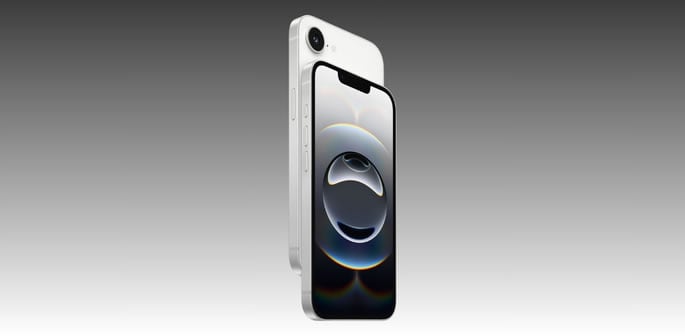
The iPhone 16e is here, bringing lots of changes that set it apart from previous budget-friendly iPhones.
This latest model introduces exciting upgrades while also making a few surprising omissions.
Whether you’re considering an upgrade or just curious about what makes the iPhone 16e different, there are key features you need to know before making a decision.
We break down the most important details—including changes to MagSafe, storage pricing, and camera capabilities—to help you understand exactly what Apple’s newest device has to offer.
Discover the seven things you need to know about the iPhone 16e before you buy.
Moving to eSIM

The iPhone 16e marks Apple’s continued transition to eSIM technology.
In the United States, it is exclusively eSIM-only, eliminating the physical SIM card slot and allowing users to activate multiple eSIM profiles directly on the device.
This design simplifies carrier switching and enables dual-line usage without needing a physical SIM.
However, models sold outside the United States, including in the United Kingdom, have a nano-SIM tray alongside eSIM support, offering users greater flexibility based on regional preferences and carrier availability.
The shift to eSIM-only in the US has been made smoother by carriers streamlining the activation process in recent years, making the setup more seamless.
Some travellers have expressed their frustration as eSIM adoption varies globally and the lack of a physical SIM slot in US models can be a challenge in regions with limited eSIM support.
Meanwhile, international models with a SIM tray provide added convenience for users in such areas.
Lightning Cable Gone

Apple’s proprietary Lightning connector has officially been phased out across the entire iPhone lineup with the launch of the iPhone 16e.
This latest model adopts the USB-C standard for both wired charging and data transfer, aligning it with Apple’s other devices, such as iPads and MacBooks, as well as a broad range of third-party accessories.
But it’s important to note that the iPhone 16e supports only USB 2.0 data transfer speeds, which is a lot slower than the USB 3.0 speeds available on the iPhone 16 Pro models.
This change improves compatibility with universal charging cables and accessories.
However, users who frequently transfer large files via a wired connection may notice the speed limitations compared to higher-end models.
No MagSafe

Apple has made another noticeable departure with the iPhone 16e—this time, by ditching MagSafe.
Unlike most recent iPhones, the 16e does not include Apple’s magnetic connection technology and the omission is confirmed by the lack of any mention on the phone’s tech specs page.
Even Apple’s official silicone case for the 16e makes no reference to MagSafe support.
Wireless charging is still available, but it looks like magnetic accessories won’t snap into place as they do on other iPhones.
That’s a disappointing cost-cutting move, especially since the iPhone SE never had MagSafe, but Apple has clearly made a conscious choice to leave it out of this new design.
Whether this is about differentiating the 16e from pricier models or just keeping production costs down, it’s a frustrating change for anyone who has come to rely on MagSafe accessories.
Action Button

The traditional ring/silent switch has been swapped for the customisable Action Button, which first appeared on the iPhone 15 Pro and Pro Max.
While you can still set it to silence your phone, the Action Button offers a lot more versatility.
It can trigger a variety of functions, including launching the camera’s Visual Intelligence feature.
For music lovers, there is the option to identify songs using Shazam just by pressing the button.
It’s a handy feature that adds real convenience to everyday use.
The 1st iPhone to Use Apple’s Modem

Apple says its new C1 modem enables the best battery life ever in an iPhone of this size, thanks to improved power efficiency.
However, questions remain about how well this in-house modem will perform compared to Qualcomm’s industry-leading chips.
Factors such as cellular reception, peak data speeds, network reliability, and overall efficiency in different environments—like areas with weak signals or congested networks—are still unknown.
Apple’s transition to its own modem technology marks a significant shift, but whether it matches or surpasses Qualcomm’s standards is yet to be seen.
No Macro Photography

The iPhone 16e’s 48-megapixel Fusion camera represents a major leap forward compared to the ageing 12-megapixel sensor found in the last iPhone SE.
With improved image processing and higher resolution, users can expect sharper photos, better low-light performance, and enhanced colour accuracy.
However, one notable omission is macro photography—a feature found on higher-end iPhones.
Unlike models with a dedicated ultra-wide lens, which enables extreme close-ups with impressive detail, the iPhone 16e relies on a single primary camera.
This means users won’t be able to capture intricate shots of small subjects, such as flowers, textures, or tiny objects, with the same level of precision.
While the main sensor may allow for decent close-up shots, it won’t match the dedicated macro mode available on iPhones with multiple lenses.
512GB will be Expensive

The iPhone 16E’s £599 starting price makes it an attractive option for those looking for a more affordable entry into Apple devices.
However, that base model comes with the lowest storage tier, and upgrading to the highest available capacity comes with a steep price increase.
Customers who need the maximum 512GB of storage will have to shell out an additional £300, bringing the total cost to £899.
This big jump in price may give some buyers pause, especially since Apple does not offer expandable storage options.
Those who frequently store large amounts of photos, videos, apps, and other data will need to weigh whether the extra cost is worth it or if cloud storage solutions could be a viable alternative.
The iPhone 16e brings a mix of exciting upgrades and unexpected omissions, making it a unique addition to Apple’s lineup.
With its powerful 48-megapixel camera, USB-C charging, and customisable Action Button, it offers several improvements over previous models.
However, the lack of MagSafe and the high cost of storage upgrades may be dealbreakers for some buyers.
Preorders for Apple’s iPhone 16e have already begun and the phone’s release will be on February 28, 2025.
So if you’re considering making the switch, now is the time to decide.