





































"I had let those victims down.”
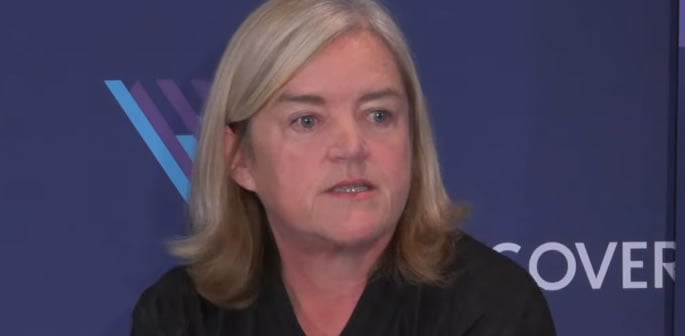
Baroness Casey of Blackstock has said she feels personally responsible for failing grooming gang victims.
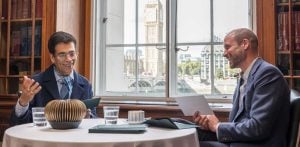
Speaking at the Hay Festival, she described growing frustration at the slow pace of reform since her early investigations into child sexual exploitation in Rotherham.
She said: “When last year, grooming gangs hit national headlines again… I was very disappointed.
“I was really upset that in the intervening 10 years, not enough had changed; victims still weren’t believed, they didn’t gather the right evidence, everyone was still squeamish over both the religion and the ethnicity of the perpetrators, which I felt was a sense of denial.
“I felt possibly, personally, that I had let those victims down.”
The scale of the original scandal was set out in 2014 by Alexis Jay, who found that at least 1,400 children had been systematically raped, trafficked and intimidated, mainly by men of Pakistani heritage, in Rotherham between 1997 and 2013.
Her report concluded police and local authorities repeatedly failed to act, leaving victims exposed over many years.
Baroness Casey continued: “Everyone went wild, everybody said it’s not true.
“I remember thinking let’s have a go at this… it was a no-brainer.”
Her 2015 investigation later identified widespread institutional failures and deep cultural denial within public bodies tasked with safeguarding children.
She said: “I thought it was pretty clear what we found. It was pretty clear what happened.
“Democracy was suspended, the council was put to one side, central government took control, you had commissioners put in for the first time… it was a really big deal at the time in local government circles.
“Nobody let me have a go at South Yorkshire Police, but that is a matter for another day.”
She also described a culture of denial during her work, including an “extraordinary” exchange with Rotherham council leaders who pointed to minor achievements amid serious safeguarding failures.
Baroness Casey told the festival: “They said to me, well, not everything is bad about Rotherham, don’t believe the media, last week we won an award for hedgerows on our roads.”
She later found resources were being diverted away from frontline exploitation teams, including greater spending on administrative training than child protection work.
“This is where the word denial is one of the things I feel about public life and public policy.
“Across many things I have found people in denial of the truth, unable to accept what is happening and therefore looking for a good news story… They are not bad people.
“I have to remind everybody constantly that the people who worked in those public services were not the people who raped, sexually abused and tortured those girls.
“They were people trying to help them but didn’t do a good enough job.”
Baroness Casey also raised concerns about missing data on offenders, saying gaps in ethnicity recording have weakened accountability and public understanding.
She said: “If you’re looking at who commits paedophilia offences, child abuse, as much as we know, with the information you are more likely to be white.
“If you look at who is in the areas that we investigated carefully for child sexual exploitation in significant areas of the country, there was an over-representation of Pakistani heritage men.
“If you don’t collect ethnicity, you can’t say what is going on… our failure to be able to collect information properly and hold people to account for it actually gives the racists much, much more power.
“We always have to look at the evidence, and you have to own the truth.”
The Government later commissioned a national audit from her, which led to 12 recommendations, including calls for a statutory national inquiry that has since been established.
The inquiry is chaired by Baroness Longfield of Godalming and will examine institutional failings across police and social services.
Zoe Billingham said the inquiry would not “turn the other cheek” to evidence of perpetrators’ backgrounds.
It has received £65 million in funding and will run for up to three years, concluding by March 2029.
Initial local investigations will begin in Oldham, Greater Manchester, with powers to compel evidence from public bodies.
Jess Phillips has called for the scope to be expanded to include Bradford and Birmingham.