
















































Consistency matters more than complexity.
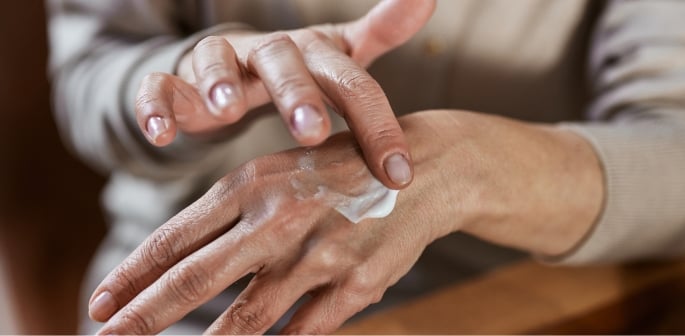
Winter is notoriously harsh on hands, especially in the UK, where cold winds, rain and constant handwashing strip skin of its natural defences.
For many South Asians, frequent cleansing and exposure to indoor heating can worsen dryness and sensitivity.
Hands often show damage more quickly than the face because the skin barrier is thinner and there are fewer oil glands.
This is why winter hand creams need to work harder than lighter, summer formulas.
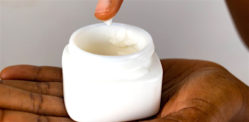
Instead of layering multiple products, experts increasingly recommend choosing one well-balanced cream with targeted ingredients.
The right formula can restore comfort, improve texture and protect hands through the coldest months.
Barrier Repair and Hydration
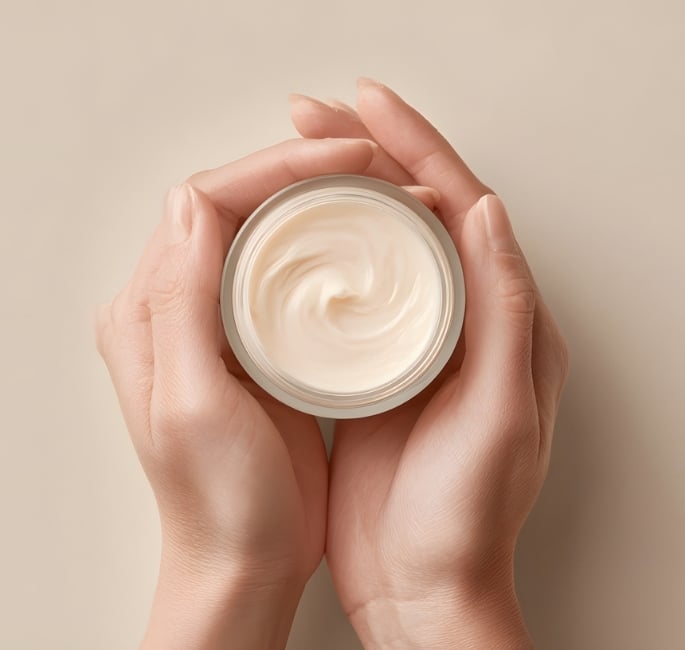 The most effective winter hand creams focus on repairing the skin barrier while delivering long-lasting hydration.
A damaged barrier allows moisture to escape, leaving hands rough, tight and prone to cracking.
Rather than relying on trend-driven additives, dermatologically backed ingredients deliver consistent results.
Combining humectants, emollients and barrier lipids in one formula prevents product overload and irritation.
A shorter, smarter INCI list is often more effective than complicated routines.
This approach suits busy lifestyles and reduces the risk of sensitivity during winter.
Ceramides and Why They Matter
 Ceramides are essential lipids that naturally exist in healthy skin and play a vital role in barrier repair.
They work by filling gaps between skin cells, reducing moisture loss and strengthening resilience.
During winter, ceramide levels can drop, making hands more vulnerable to irritation and cracking.
Hand creams containing ceramide NP, NS, EOP, or AP are especially beneficial for skin that is compromised.
Many formulas simply list a ceramide complex, which can still deliver excellent barrier support.
Richer ceramide creams are ideal for overnight use or after repeated handwashing.
Glycerin as a Winter Hydration Hero
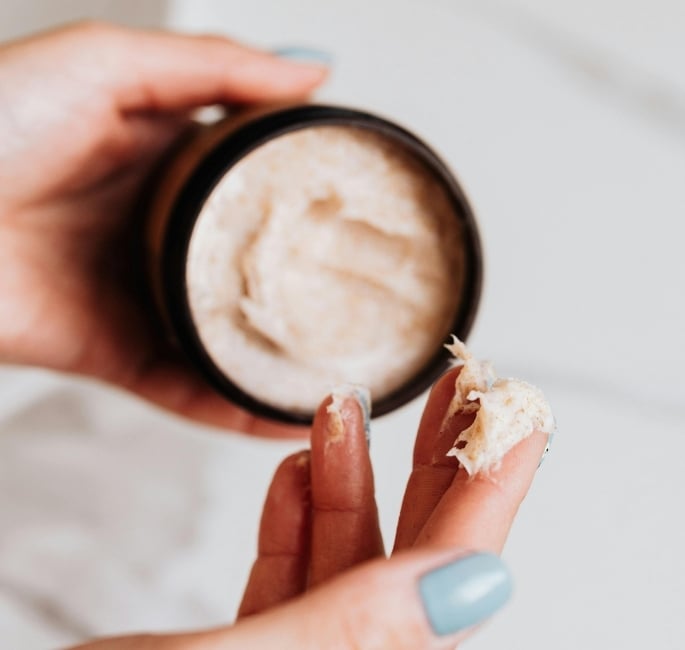 Glycerin remains one of the most reliable ingredients in skincare, particularly during colder months.
As a humectant, it draws water into the upper layers of the skin and keeps hands hydrated despite dry, centrally heated air.
Glycerin works best in leave-on hand creams where it can continuously attract moisture.
When paired with ceramides or nourishing butters, hydration is effectively locked in.
This combination prevents the tight, uncomfortable feeling many experience after washing hands in winter.
Its gentle nature makes glycerin suitable for daily, frequent use.
Urea for Softness and Better Absorption
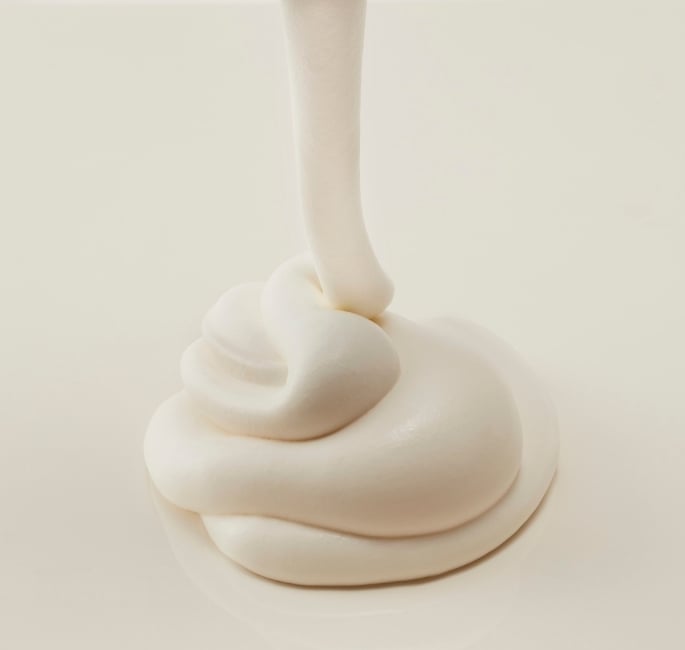 Urea is another powerful humectant, offering additional benefits for rough and overworked hands.
In the 5 to 10 per cent range, it gently exfoliates while drawing moisture into the skin.
This dual action helps smooth texture and improves absorption of other moisturising ingredients.
Lower concentrations are ideal for everyday winter care without overwhelming sensitive skin.
Higher percentages can be more active and may irritate broken or extremely sensitive hands.
For most people, moderate-strength urea keeps hands soft and comfortable throughout winter.
Shea Butter for Protection and Comfort
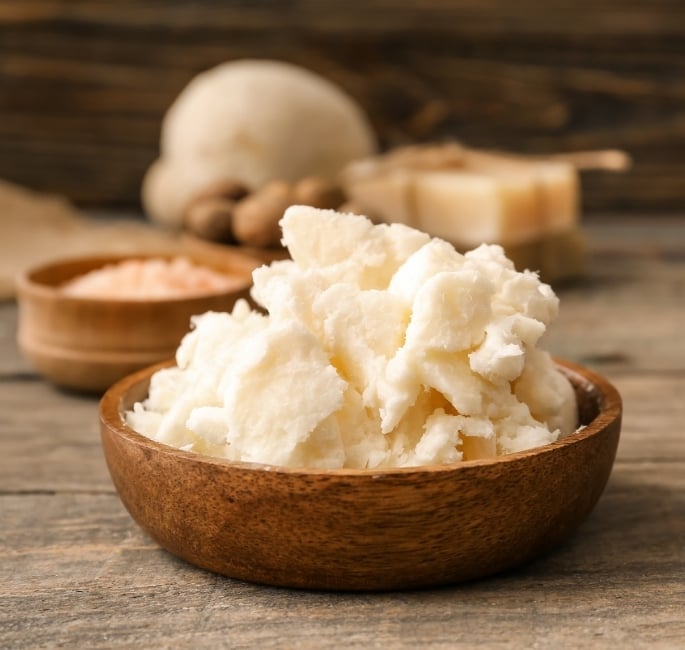 Shea butter is a rich emollient that also acts as a mild occlusive, making it perfect for winter protection.
It smooths flaky skin, reduces roughness and helps seal in moisture attracted by humectants.
Well-formulated shea butter creams create a protective film against cold air and wind.
Despite its richness, it does not have to feel greasy if balanced correctly.
This makes it especially suitable for night-time use or outdoor exposure.
Shea butter also supports skin recovery during prolonged cold spells.
How to Keep Your Hand Care Routine Simple
 Simplicity is key when choosing winter hand creams, particularly for skin already under stress.
One well-balanced formula containing glycerin, urea, ceramides and shea butter is often enough for daily care.
Using one main cream consistently delivers better results than switching between multiple specialised products.
Extra products should only be added for specific concerns like eczema or severe dermatitis.
Overloading the skin with layers can increase irritation rather than comfort.
A single, effective cream suits both minimal routines and sensitive skin.
When and How to Layer Products
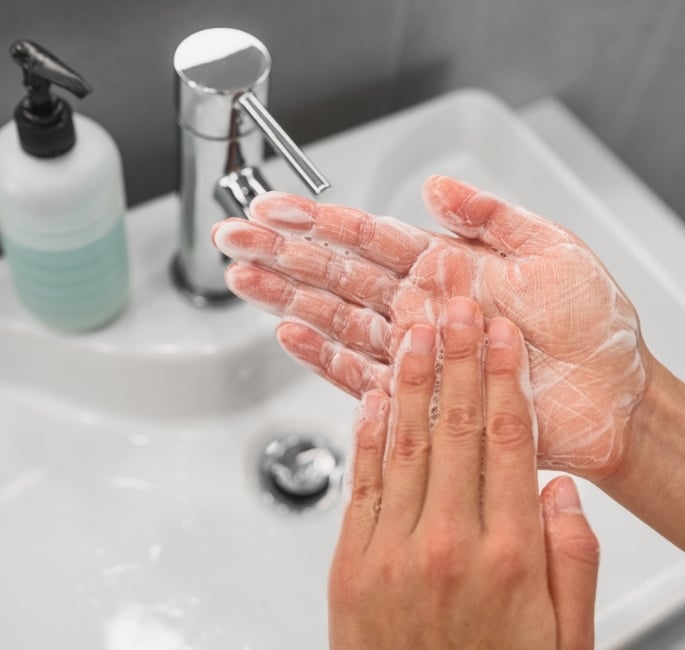 Layering should be purposeful rather than automatic during winter.
During the day, a lighter, fast-absorbing cream high in glycerin works well after every hand wash.
Ideally, this should also include ceramides to maintain barrier strength throughout the day.
At night, richer formulas with shea butter and urea can be applied more generously.
This approach acts like a hand mask, deeply hydrating rough or cracked skin.
Strategic layering supports recovery without complicating your routine.
Avoiding Unnecessary Irritants
 Winter hands are more reactive, making it wise to avoid unnecessary extras in hand creams.
Fragrance, essential oils and strong actives can trigger irritation on already dry skin.
Minimalist formulas reduce the risk of redness, stinging and flare-ups.
The focus should remain on one effective humectant, one barrier lipid and one rich emollient.
This combination delivers hydration, protection and repair without overwhelming the skin.
Choosing simplicity is often the most skin-friendly decision during winter.
The best winter hand creams prioritise function over hype, delivering hydration and barrier repair in one reliable formula.
Ingredients like ceramides, glycerin, urea and shea butter work together to restore comfort and resilience.
For South Asians in the UK, this approach supports skin exposed to frequent washing and harsh weather.
Keeping routines simple helps prevent irritation while maintaining soft, healthy hands.
Consistency matters more than complexity when caring for winter skin.
With the right ingredients, hands can stay protected, smooth and comfortable all season long.